
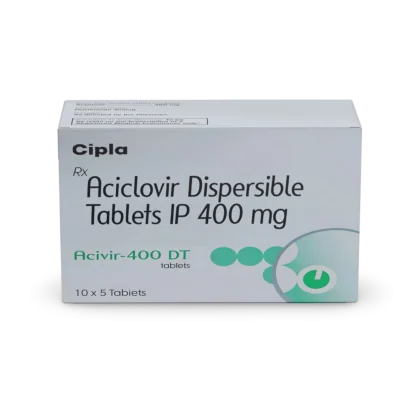
Acivir 400 mg
Targets viral DNA replication to stop the spread of infection and ease the duration of outbreaks.
 Genital Herpes Medications
 Living with a diagnosis of genital herpes can feel overwhelming, but understanding the nature of the virus and your management options brings a sense of control. Eight formulations are listed below, spanning two primary antiviral classes: acyclovir (Acivir) for both oral and topical use, and valacyclovir (Herpival, Valcivir, Zimivir) for oral maintenance and acute flare-ups.
Targets viral DNA replication to stop the spread of infection and ease the duration of outbreaks.
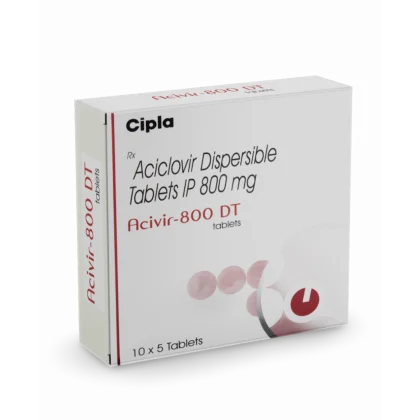
Interrupts viral replication to manage outbreaks and lower the duration of viral skin conditions effectively.
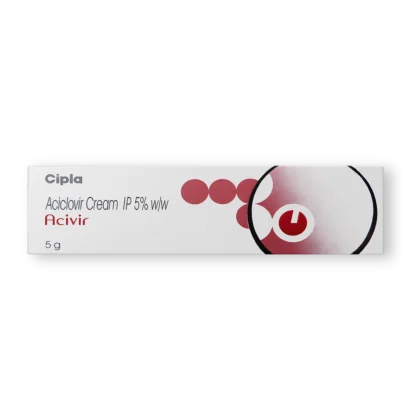
Slows viral replication to reduce the severity and duration of recurrent herpes simplex outbreaks on skin.
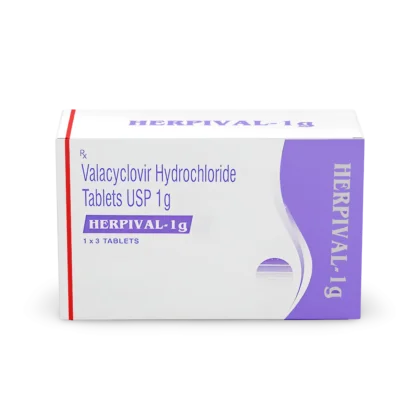
Blocks viral replication by interfering with DNA synthesis, helping to reduce the duration of viral outbreaks.

Interferes with viral DNA replication to slow the progression of common herpes virus infections.

Blocks viral DNA replication to stop the spread of infection during outbreaks of cold sores or herpes.
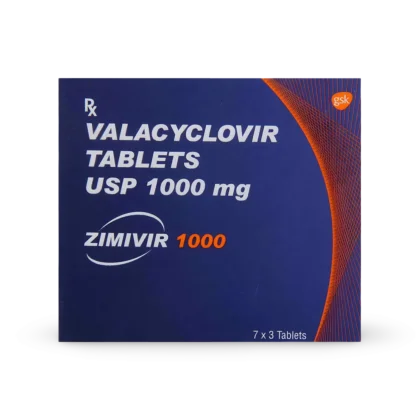
Reduces the duration of viral outbreaks by inhibiting the production of new viral DNA within infected cells.
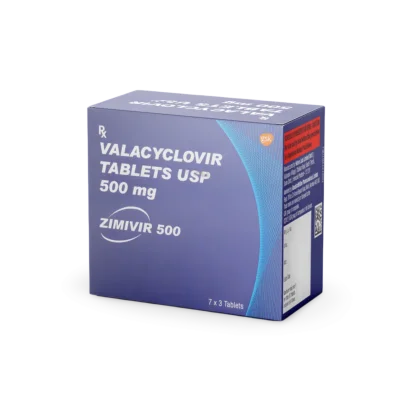
Blocks viral DNA replication to stop the spread of infection and reduce the duration of symptoms.
Genital herpes is a viral infection caused by the herpes simplex virus (HSV). Once the virus enters the body, it remains in the nerve cells, which is why individuals often face recurring cycles of symptoms. These cycles typically shift between periods of active outbreaks—marked by painful blisters, sores, or itching in the genital area—and periods where the virus is inactive.
While symptoms vary significantly from person to person, the emotional impact is as real as the physical discomfort. Understanding that this is a manageable health condition is the first step toward reclaiming your routine. Many people find that tracking their triggers, such as stress or illness, helps them manage the frequency and intensity of viral activity more effectively.
Management for genital herpes revolves around antiviral medications. These treatments do not eliminate the virus from the body, as it resides within nerve clusters; instead, they inhibit the virus’s ability to multiply. By reducing viral replication, these medications shorten the duration of an active outbreak, lower the severity of symptoms, and can decrease the likelihood of transmission to others.
Across international markets, including regions like the United States, United Kingdom, Australia, and Canada, these antivirals are available through healthcare providers. Treatment approaches are generally categorized into episodic therapy, where you take medication at the onset of symptoms, or suppressive therapy, which involves daily medication to prevent future outbreaks. The choice between these approaches often depends on the frequency and severity of your personal experience.
Antiviral medications for this condition primarily fall into two chemical categories. Both classes serve the same purpose but differ in how your body processes them and how they are administered.
Oral tablets, such as those containing valacyclovir, are designed for systemic absorption. Valacyclovir is a prodrug, meaning your body converts it into active acyclovir, often allowing for more efficient absorption into the bloodstream. This formulation is frequently chosen for its convenience, as it often allows for less frequent dosing compared to older antiviral forms.
Topical formulations, typically creams containing acyclovir, are applied directly to the surface of the skin or mucous membranes. These are often used to address the localized discomfort and viral activity at the site of a sore. While they work specifically where applied, they are generally considered an adjunct to oral treatment rather than a replacement for systemic viral control.
Discuss your complete medical history with a provider before beginning any antiviral regimen. This is particularly important for individuals with underlying kidney conditions, as these medications require efficient renal filtration to clear the medication from your system. Monitoring kidney function helps ensure the dose remains appropriate for your body’s processing capabilities.
While most individuals tolerate these antiviral medications well, some may experience mild gastrointestinal upset or headaches. If you notice any unusual changes in your skin, breathing, or energy levels, report these to a clinician immediately. Identifying your tolerance levels early in the treatment cycle can help you and your provider determine the most suitable long-term strategy.
Antivirals can interact with other prescription drugs, particularly those that also place a demand on kidney filtration. Always provide a full list of your current medications during any clinical check-in. This avoids complications and ensures that your management plan remains safe and effective for your unique health profile. Product labeling and verified clinical sources remain the correct references for specific contraindications, interactions, and potential reactions.
This page provides an educational overview of genital herpes and the medication categories listed—not medical advice. Individual products differ in active ingredient, formulation, strength, and directions. The page does not authorize self-directed selection, clinical interpretation, or unsupervised use. Readers should review individual product labeling and speak with a healthcare professional when clinical judgment is needed.