
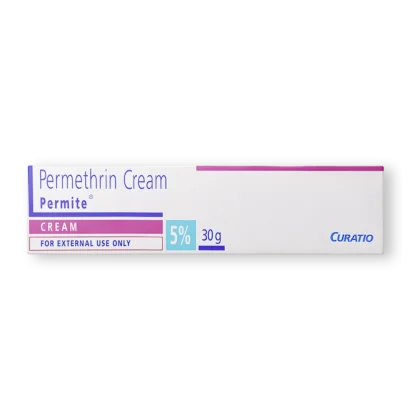
Permite Cream 5% (30 gm)
Eliminates parasites like scabies mites and lice by disrupting their nervous systems to stop infestations.
 Head Lice Medications
 Discovering a head lice infestation often brings feelings of frustration and overwhelm, yet managing these tiny, resilient parasites is a common challenge. Effective treatments focus on interrupting the life cycle of the lice while addressing the itching and distress these infestations cause. One formulation is listed below, centered on an effective pediculicide active ingredient.
Eliminates parasites like scabies mites and lice by disrupting their nervous systems to stop infestations.
Head lice are small, wingless parasitic insects that live on the human scalp and feed on blood. These pests are highly contagious, spreading primarily through direct head-to-head contact, which is why infestations frequently appear within school settings and households. Identifying an infestation early—often indicated by persistent itching or the presence of small, white, oval-shaped nits attached to hair shafts—is the first step toward effective management.
Beyond the physical discomfort, dealing with an infestation creates significant emotional and social stress. The need for meticulous cleaning of clothing, linens, and personal items often adds to the burden placed on families. Understanding that lice do not reflect hygiene standards is vital, as anyone can become infested regardless of their cleaning habits.
Treatment for head lice centers on the use of pediculicides—medicines designed specifically to kill lice and often their eggs, known as nits. These treatments generally come in the form of creams, lotions, or shampoos applied topically to the scalp and hair. Because lice have complex life cycles involving eggs that remain attached to hair, treatment often requires careful application and sometimes a repeat session to ensure all hatchlings are addressed.
Across global markets, these formulations are widely available in pharmacies, with many considered standard over-the-counter options for home use. The regulatory landscape for these products remains consistent, prioritizing consumer safety through clear labeling regarding application frequency and rinsing requirements. Using a fine-toothed nit comb remains a critical supportive measure to physically remove eggs that remain after the chemical treatment.
The primary class of medications for this condition consists of topical pediculicides. These agents function by disrupting the nervous system of the lice, leading to their paralysis and eventual death. Because these substances are applied directly to the affected area, their contact time is the most important factor in whether they successfully penetrate the exoskeleton of the parasite.
Permethrin-based creams represent a common approach within this category. Permethrin is a synthetic pyrethroid that offers targeted action against live lice. Its inclusion in cream-based formulations allows for easier, more uniform distribution through the hair, which helps ensure that all areas of the scalp receive the necessary exposure to the active ingredient.
Since different products vary in their duration of action and rinsing protocols, careful review of the manufacturer’s instructions is necessary. Some formulations are intended for short-term application before rinsing, while others may require longer exposure to address resistant strains.
Ensure that the scalp is free of open sores or significant skin infections before applying any topical pediculicide. Verify the diagnosis by identifying live lice or nits, as some skin conditions or dandruff may mimic the sensations of an infestation.
Topical treatments may occasionally cause mild burning, stinging, or redness upon application. While these sensations typically reflect the skin’s reaction to the active ingredient or the infestation itself, any sign of a severe allergic reaction necessitates immediate discontinuation and clinical attention.
Discuss personal history regarding skin sensitivities or existing inflammatory conditions with a professional before use. While topical applications have limited systemic absorption, those who are pregnant or nursing, or parents treating very young children, should verify that the chosen product is appropriate for their specific age range or clinical circumstances.
Product labeling and verified clinical sources remain the correct references for specific contraindications, interactions, and potential reactions.
This page provides an educational overview of Head Lice and the medication categories listed — not medical advice. Individual products differ in active ingredient, formulation, strength, and directions. The page does not authorize self-directed selection, clinical interpretation, or unsupervised use. Readers should review individual product labeling and speak with a healthcare professional when clinical judgment is needed.