
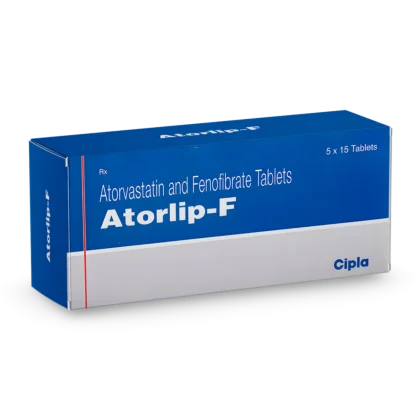
Atorlip F 10+145 Mg
Controls lipid production and lowers triglyceride levels to improve heart health markers and lipid profiles.
 Heart Attack and Stroke Prevention Medications
 Managing cardiovascular health often feels overwhelming, especially when faced with a diagnosis that requires consistent, long-term monitoring. Taking proactive steps to address cholesterol and blood pressure levels is a meaningful way to protect your long-term wellness. Ten formulations are listed below, including statins like atorvastatin and rosuvastatin, as well as fibrates that help regulate lipid profiles.
Controls lipid production and lowers triglyceride levels to improve heart health markers and lipid profiles.
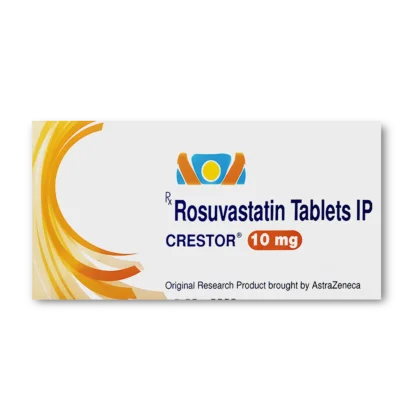
Reduces bad cholesterol and fats in the blood, supporting heart health and long-term cardiovascular stability.
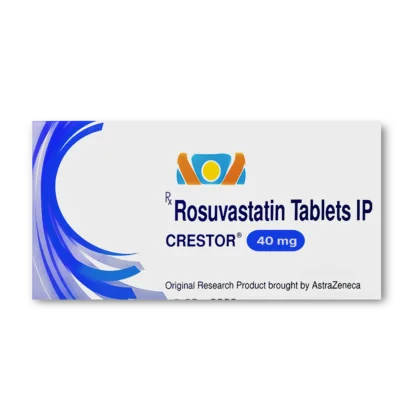
Reduces bad cholesterol and inflammation in blood vessels to help lower the risk of cardiovascular events.
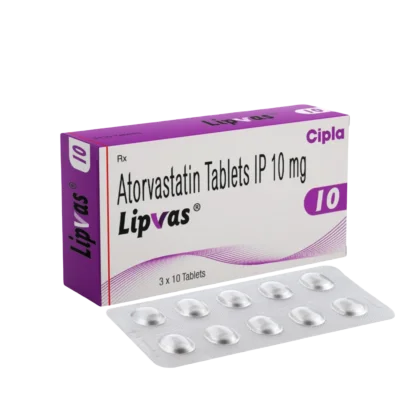
Reduces cholesterol production in the liver to improve heart health markers and support long-term cardiovascular stability.
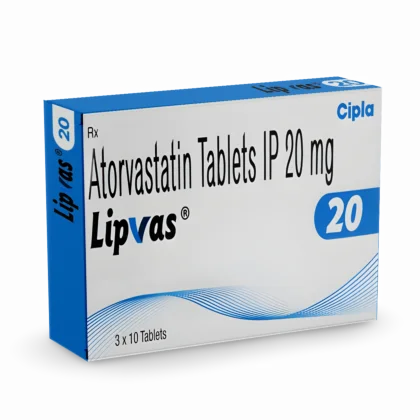
Reduces cholesterol production in the liver to support cardiovascular health and lower potential long-term heart risks.
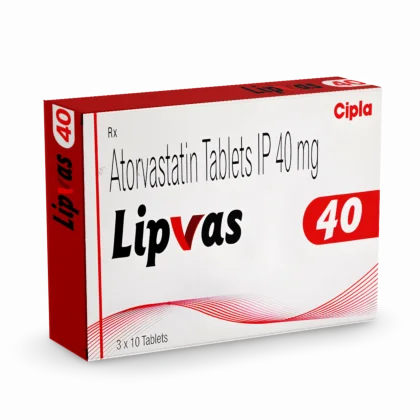
Reduces cholesterol production in your liver to support cardiovascular health and lower the risk of arterial plaque.
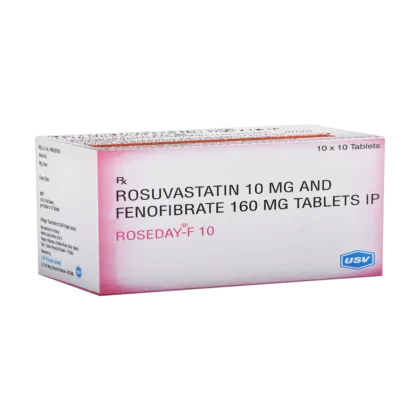
Dual-action combination that lowers harmful cholesterol while targeting high triglycerides to support overall cardiovascular health.
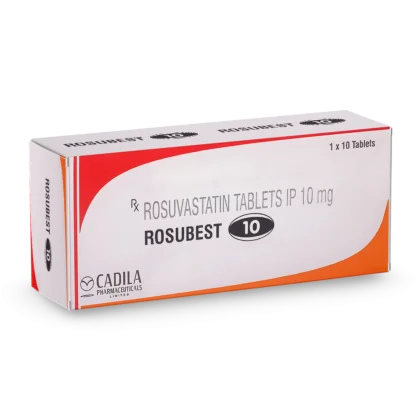
Blocks the liver enzyme responsible for cholesterol production to lower blood lipid levels and support cardiovascular health.
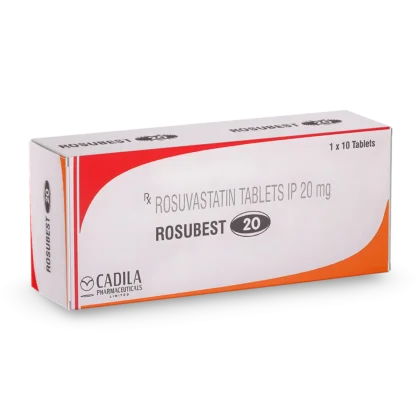
Blocks an enzyme in your liver to lower blood cholesterol levels and support heart health.
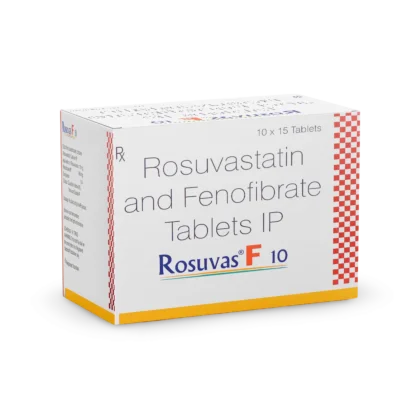
Combined therapy that lowers LDL cholesterol and triglycerides to support cardiovascular health and reduce lipid levels.
Heart attack and stroke prevention focuses on identifying and managing the underlying factors that compromise blood vessel health. When cholesterol levels, particularly low-density lipoprotein (LDL), remain elevated for extended periods, plaque can accumulate along artery walls. This buildup, known as atherosclerosis, narrows the vessels and limits blood flow to the heart and brain.
Beyond cholesterol, individual health factors such as blood pressure regulation, glucose management, and lifestyle choices define your cardiovascular profile. You may feel burdened by the necessity of daily medication or the complexity of tracking blood markers. Understanding that these treatments aim to stabilize your arterial health can provide a sense of agency as you work with your healthcare provider to find a sustainable plan.
Treatment for preventing heart attacks and strokes generally relies on lipid-lowering therapies and blood pressure regulation. Statins are frequently the first category of medicine tried, as they effectively hinder the liver’s production of cholesterol. By reducing circulating fat particles in the bloodstream, these medicines help slow the progression of plaque buildup in the arteries.
Fibrates represent another category, primarily used to lower triglyceride levels and improve high-density lipoprotein (HDL) metrics. In some cases, a clinician may determine that a combination approach—using both a statin and a fibrate—provides better results for specific lipid profiles. Access to these classes varies significantly across global markets, including the United States, United Kingdom, Australia, and Canada, where local regulatory bodies oversee their distribution.
Understanding how different medications function helps you discuss your options effectively during a clinical consultation. Most treatments focus on metabolic targets related to fat storage and vessel elasticity.
These medications act on the liver to decrease the body’s internal production of cholesterol. By lowering the amount of lipids circulating in your blood, they minimize the potential for new plaque to form or existing blockages to expand.
Fibrates are designed to address triglycerides—a different type of fat found in the blood. Lowering triglyceride concentrations is often a priority when your blood panels show elevated fats that increase the risk of systemic inflammation.
Some patients require a dual-action approach to address multiple lipid markers simultaneously. Combination products integrate different active ingredients—such as a statin and a fibrate—into a single dose to simplify a complex treatment schedule.
Prior to beginning any regimen for heart attack and stroke prevention, a thorough review of your lipid profile, kidney function, and liver health is standard. Your clinical history, including any previous allergic reactions to pharmaceutical agents, must be discussed to ensure the selected category of medication is appropriate for your body.
Common reactions to lipid-lowering agents often involve the gastrointestinal system or localized muscle soreness. While many people tolerate these medicines well, it is essential to monitor for any persistent aches or fatigue. Any new, unexplained symptoms should be reported promptly to your healthcare provider for evaluation.
Many cardiovascular medicines can interact with other prescriptions, over-the-counter supplements, or certain foods that affect liver enzyme activity. Substances like grapefruit or specific herbal supplements may change how your body processes these medications, potentially affecting their activity levels. Product labeling and verified clinical sources remain the correct references for specific contraindications, interactions, and potential reactions.
This page provides an educational overview of heart attack and stroke prevention and the medication categories listed — not medical advice. Individual products differ in active ingredient, formulation, strength, and directions. The page does not authorize self-directed selection, clinical interpretation, or unsupervised use. Readers should review individual product labeling and speak with a healthcare professional when clinical judgment is needed.