
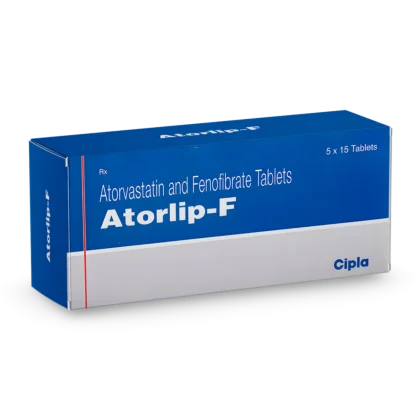
Atorlip F 10+145 Mg
Controls lipid production and lowers triglyceride levels to improve heart health markers and lipid profiles.
 High Cholesterol Medications
 Navigating a diagnosis of high cholesterol can feel overwhelming, but managing lipid levels is a standard step in supporting long-term heart health. Ten formulations are listed below, covering primary management categories including statins like atorvastatin and rosuvastatin, as well as combination therapies such as rosuvastatin-fenofibrate. These options assist in stabilizing lipid profiles across international markets.
Controls lipid production and lowers triglyceride levels to improve heart health markers and lipid profiles.
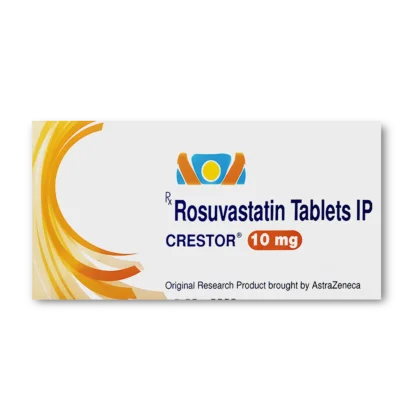
Reduces bad cholesterol and fats in the blood, supporting heart health and long-term cardiovascular stability.
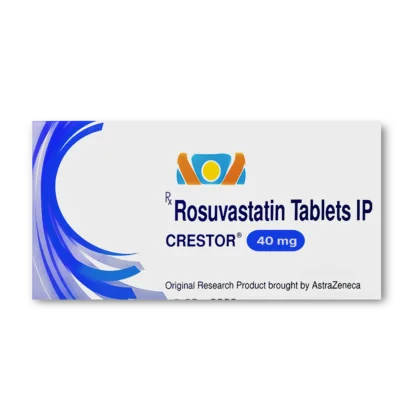
Reduces bad cholesterol and inflammation in blood vessels to help lower the risk of cardiovascular events.
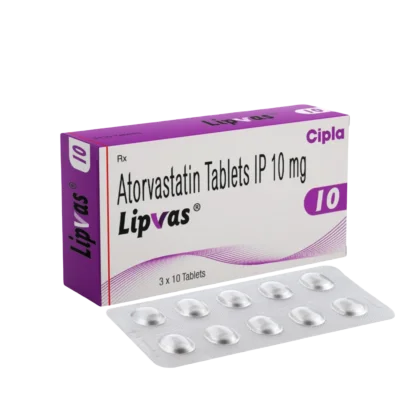
Reduces cholesterol production in the liver to improve heart health markers and support long-term cardiovascular stability.
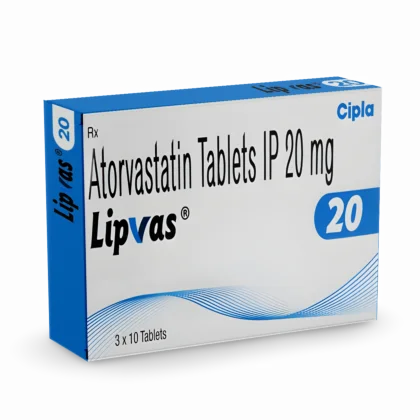
Reduces cholesterol production in the liver to support cardiovascular health and lower potential long-term heart risks.
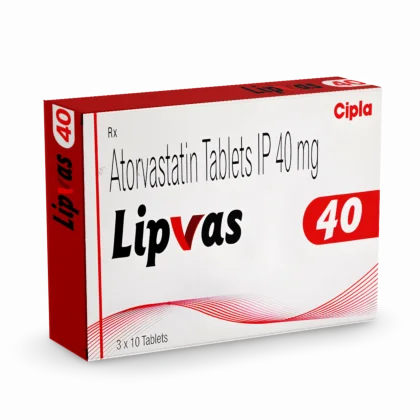
Reduces cholesterol production in your liver to support cardiovascular health and lower the risk of arterial plaque.
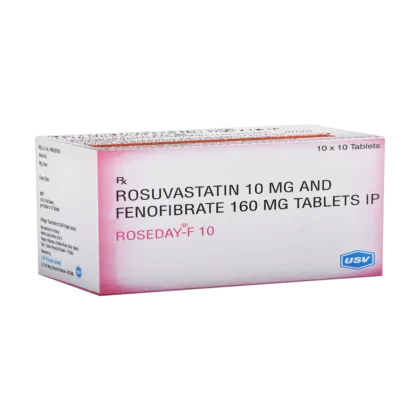
Dual-action combination that lowers harmful cholesterol while targeting high triglycerides to support overall cardiovascular health.
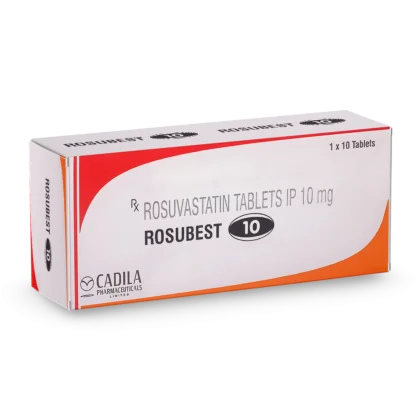
Blocks the liver enzyme responsible for cholesterol production to lower blood lipid levels and support cardiovascular health.
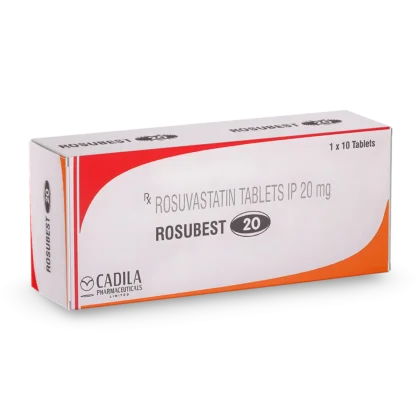
Blocks an enzyme in your liver to lower blood cholesterol levels and support heart health.
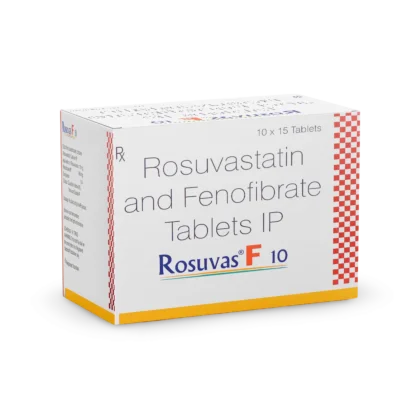
Combined therapy that lowers LDL cholesterol and triglycerides to support cardiovascular health and reduce lipid levels.
High cholesterol, or hyperlipidemia, occurs when there is an imbalance of lipids in the blood. Specifically, elevated levels of low-density lipoprotein (LDL)—often called “bad” cholesterol—can lead to the accumulation of fatty deposits within the interior walls of your arteries. Over time, these deposits, known as plaque, can narrow the blood vessels and restrict healthy circulation to the heart and other vital organs.
Living with this condition requires ongoing attention to both lifestyle habits and often, medical management. Many people discover they have high cholesterol during routine blood panels, as the condition rarely presents with physical symptoms in its early stages. Addressing high cholesterol proactively is essential to reduce the likelihood of cardiovascular stress. Your provider will monitor your lipid panel to determine the most beneficial approach for your specific health needs.
Management generally focuses on lowering LDL cholesterol and triglycerides while potentially increasing high-density lipoprotein (HDL)—the “good” cholesterol. Most treatment plans involve a combination of dietary adjustments, physical activity, and pharmacological intervention. In many international regions, medications are categorized as prescription-only to ensure that your specific health profile, including liver and kidney function, is thoroughly evaluated before initiation.
The primary drug classes used to address these levels include HMG-CoA reductase inhibitors, commonly known as statins, and fibrates. Statins work by blocking the enzyme your liver requires to produce cholesterol, effectively forcing your body to remove existing cholesterol from the blood. Fibrates are frequently utilized to lower triglyceride levels specifically. In cases where a single agent is insufficient for the targeted lipid reduction, healthcare professionals may consider a combination therapy.
Understanding the differences between medication classes can help you have a more informed discussion with your healthcare provider. While all treatments for high cholesterol aim to improve your blood profile, they work through distinct biochemical pathways.
Statins are typically considered the first-line pharmacologic approach for lowering LDL cholesterol. They act directly in the liver to inhibit the synthesis of cholesterol. Because your liver is the primary site of production, these medications are efficient at lowering total cholesterol and LDL levels.
Fibrates represent a different mechanism, primarily targeting triglycerides and helping to elevate HDL. You may also encounter combination products, such as those that pair a statin with a fibrate. These are intended for patients who require multi-faceted lipid management, addressing both high LDL and high triglyceride levels in one formulation.
It is important to discuss your complete medical history with your provider, particularly if you have any history of liver or muscle-related conditions. Because cholesterol-lowering agents are processed by the liver, your clinician will likely request baseline blood tests. Disclosing all other medications or supplements you currently take is necessary to avoid potential contraindications.
While many people take cholesterol-lowering medications without significant issues, some individuals may experience muscle aches or digestive discomfort. These sensations should always be reported to your healthcare professional, as they may indicate a need for a dosage adjustment or a change in medication class. Monitoring your response during the initial weeks of treatment is a standard part of the process.
Cholesterol medications can interact with certain foods, like grapefruit, or other drugs, which may change how your body processes the medicine. Maintaining consistent communication with your doctor ensures that your treatment remains effective while minimizing the risk of adverse interactions. Product labeling and verified clinical sources remain the correct references for specific contraindications, interactions, and potential reactions.
LDL Cholesterol : Often referred to as “bad” cholesterol, high levels of which contribute to arterial plaque.
Lipid Panel : A blood test that measures the levels of cholesterol and triglycerides in your bloodstream.
Statin : A class of drugs that slows the production of cholesterol in the liver.
Triglycerides : A type of fat found in the blood that acts as a primary energy source; elevated levels are often associated with metabolic factors.
This page provides an educational overview of high cholesterol and the medication categories listed—not medical advice. Individual products differ in active ingredient, formulation, strength, and directions. The page does not authorize self-directed selection, clinical interpretation, or unsupervised use. Readers should review individual product labeling and speak with a healthcare professional when clinical judgment is needed.