
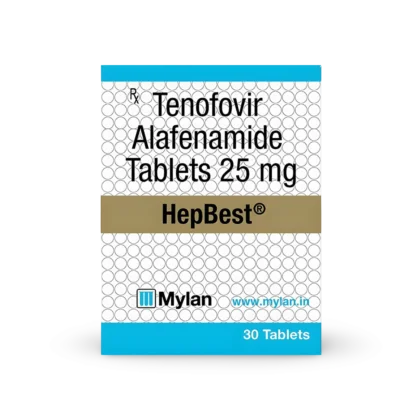
HepBest 25 Mg Tablet
Targets viral replication by inhibiting the enzyme responsible for DNA synthesis, effectively lowering viral presence in blood.
 HIV Infection Medications
 Living with an HIV diagnosis involves managing a chronic condition that requires consistent, reliable access to antiretroviral therapy. Four formulations are listed below, spanning key medication classes for viral suppression: integrate inhibitors (Instgra, Isentress) and nucleotide reverse transcriptase inhibitors, often used in combination (HepBest, Tenvir EM).
Targets viral replication by inhibiting the enzyme responsible for DNA synthesis, effectively lowering viral presence in blood.
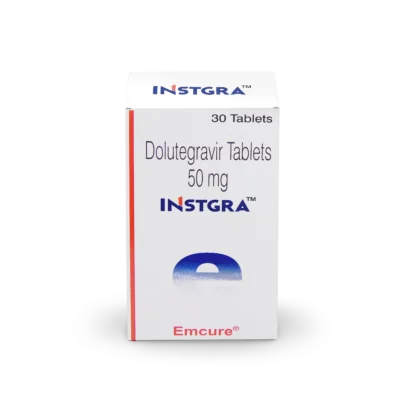
Blocks a specific viral enzyme to prevent the human immunodeficiency virus from copying its own genetic material.
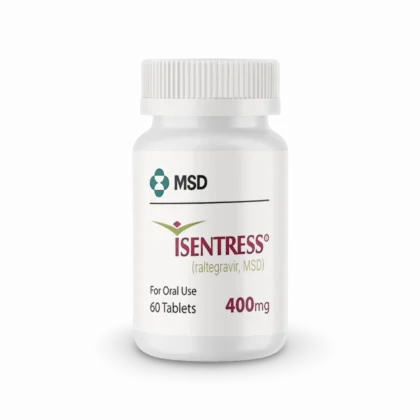
Blocks the integration of viral genetic material into human cell DNA to prevent the virus from multiplying.
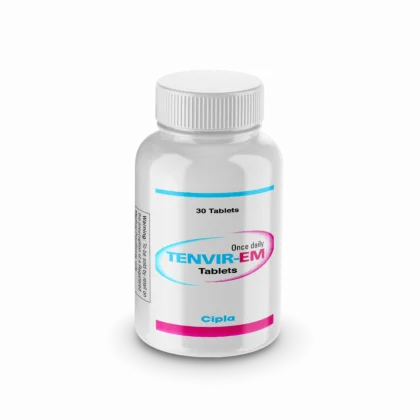
Blocks viral replication by inhibiting the enzymes required for viruses to multiply within your own cells.
HIV infection is a condition caused by the human immunodeficiency virus. The virus primarily targets CD4 cells, which are the immune system’s frontline defenders. Over time, the virus reduces the number of these cells, slowly weakening the body’s ability to protect itself against common illnesses and specific opportunistic infections.
Early detection and consistent management transform this condition from an overwhelming health crisis into a manageable chronic state. By suppressing viral replication, current treatment strategies allow the immune system to maintain or regain strength. Understanding the nature of the virus helps individuals take an active role in their long-term health and wellness.
Treatment for HIV infection centers on effective antiretroviral therapy, or ART. These regimens consist of combinations of medicines that work together to block the virus from replicating at different stages of its life cycle. This continuous suppression lowers the amount of virus in the blood to undetectable levels, which supports immune health and prevents transmission.
Across global markets, including the United States, United Kingdom, Australia, and Canada, these medications are strictly regulated and must be used exactly as directed by a specialist. Healthcare providers monitor viral load and CD4 counts regularly to ensure the chosen regimen remains effective. Because the virus can develop resistance if medication is missed, adherence to your prescribed schedule is the most significant aspect of your daily management.
Treatment approaches for HIV infection generally categorize medications by how they interfere with the viral replication process. Integrase inhibitors are a common class that blocks the enzyme the virus uses to insert its own genetic material into healthy cells. This prevents the virus from turning human cells into factories for new viral particles.
Other categories, such as nucleotide reverse transcriptase inhibitors, focus on a different step by blocking the conversion of viral RNA into DNA. Many modern approaches involve combination therapies that pack multiple active ingredients into a single dose. This simplifies a daily routine and ensures that the virus is “hit” from multiple angles to maintain consistent suppression and minimize the risk of mutation.
Initiating treatment remains a significant medical decision that must be guided by a specialist who understands your viral history. Before starting any new medication, discuss your medical background, including any history of liver or kidney function challenges, as how your body processes these medicines is critical to your safety.
Every individual responds to antiretroviral therapy differently. While many people tolerate their regimens well, some may experience temporary shifts in energy levels or mild digestive changes as the body adjusts to the active ingredients. These concerns should always be discussed with your clinical team, rather than waiting for them to resolve or worsening on their own.
Because ART must be taken daily, it may interact with other supplements, over-the-counter medicines, or treatments for secondary health conditions. Always maintain a comprehensive list of everything you take to ensure you avoid substances that might interfere with how your medicine is absorbed or broken down. Product labeling and verified clinical sources remain the correct references for specific contraindications, interactions, and potential reactions.
This page provides an educational overview of HIV infection and the medication categories listed — not medical advice. Individual products differ in active ingredient, formulation, strength, and directions. The page does not authorize self-directed selection, clinical interpretation, or unsupervised use. Readers should review individual product labeling and speak with a healthcare professional when clinical judgment is needed.