
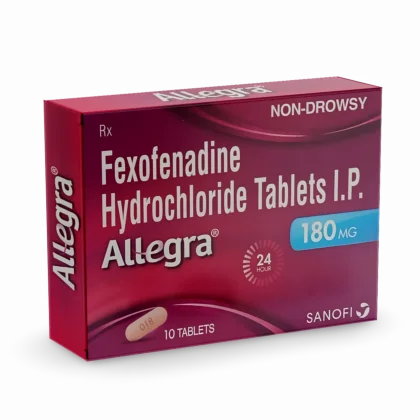
Allegra 180 Mg
Blocks histamine receptors to provide relief from seasonal allergy symptoms without causing traditional drowsiness.
 Hives Medications
 Dealing with the sudden appearance of itchy, raised welts can be distressing and unpredictable. Whether triggered by an allergic reaction or an underlying sensitivity, these skin episodes affect your physical comfort and peace of mind. Two formulations are listed below, specifically covering oral antihistamines like fexofenadine (Allegra) and hydroxyzine (Atarax).
Blocks histamine receptors to provide relief from seasonal allergy symptoms without causing traditional drowsiness.
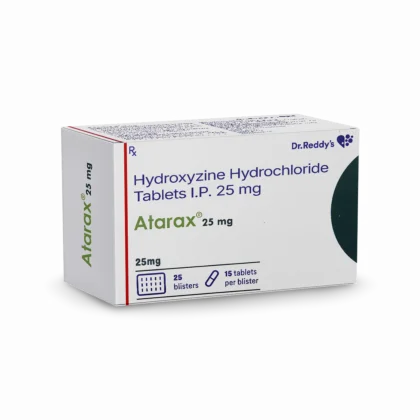
Reduces nerve signals that cause itching and promotes a calming effect by targeting chemical receptors in the brain.
Hives, medically known as urticaria, manifest as skin rashes consisting of red or flesh-colored welts. These spots typically appear suddenly, vary in size and shape, and often move around the body or change shape over a period of hours. The defining sensation is an intense, deep-reaching itch that can make daily functioning challenging and sleep difficult.
This condition develops when certain cells in your skin release histamine and other chemicals into the bloodstream. This physiological response often follows an encounter with an allergen, such as specific foods, medications, insect stings, or pollen. In other cases, intense physical stimuli like heat, pressure, or exercise trigger the release, while sometimes the underlying cause remains elusive despite clinical investigation.
Treatment focuses on blocking the chemical signals that trigger the characteristic swelling and itchiness. Oral antihistamines serve as the primary approach for stabilizing the skin and preventing further eruptions. These medicines work by binding to histamine receptors throughout the body, effectively preventing histamines from latching onto cells and causing the inflammatory response.
In regulated international markets, including those across European, North American, and Asian regions, antihistamines are categorized by their onset of action and tendency to cause drowsiness. First-generation antihistamines often cross the blood-brain barrier more easily, which can provide noticeable relief but may lead to sedative effects. Second-generation options are designed to provide relief with a lower likelihood of causing significant drowsiness.
When reviewing options, it is helpful to understand the distinction between antihistamine classes, as they may differ in how they interact with your daily routine.
These formulations, such as fexofenadine, are often selected by providers for patients who require relief without significant impact on alertness. They generally provide 24-hour coverage, making them common for the management of chronic episodes where daily consistency is required to keep symptoms at bay.
Formulations such as hydroxyzine represent older classes of antihistamines. These may be selected for patients who require stronger modulation of the histamine response, particularly when symptoms involve significant restlessness or nighttime discomfort. Providers often navigate these options based on your specific daily schedule and the severity of the inflammatory response.
Begin by identifying any known allergies to the specific class of antihistamine you are considering. Review your full health history with a professional, especially if you have chronic liver or kidney conditions, as these organs are primary in filtering and processing medicinal compounds. Ensure your current treatment goal aligns with the intended use of the specific antihistamine selected.
Antihistamines are generally well-tolerated, but individual responses to medication can vary significantly. First-generation options may cause noticeable lethargy, dry mouth, or changes in coordination, which are important to monitor when assessing your ability to operate machinery. Second-generation options typically minimize these sedative effects but may still impact some people differently based on their unique metabolism.
Other medications, including certain antidepressants, sedative-hypnotics, or treatments for other conditions, may interact with antihistamines and influence their effect on your central nervous system. Combining these medicines with alcohol or other substances that depress the nervous system can intensify sedation. Product labeling and verified clinical sources remain the correct references for specific contraindications, interactions, and potential reactions.
Histamine : A chemical produced by the immune system that causes the swelling, redness, and itching associated with skin reactions.
Urticaria : The formal medical term for hives, referring to the sudden appearance of swollen, itchy skin welts.
Antihistamines : A class of medicines that block the effects of histamine to reduce itching, swelling, and redness.
This page provides an educational overview of hives and the medication categories listed — not medical advice. Individual products differ in active ingredient, formulation, strength, and directions. The page does not authorize self-directed selection, clinical interpretation, or unsupervised use. Readers should review individual product labeling and speak with a healthcare professional when clinical judgment is needed to ensure the chose treatment is appropriate for their specific health needs.