

Cobix 100 mg
Reduces prostaglandin production to alleviate pain and swelling associated with chronic inflammatory joint conditions.
 Inflammation Medications
 Living with persistent inflammation often means managing daily discomfort, swelling, or redness that keeps you from feeling your best. When the immune system remains active for too long, it begins to affect your quality of life. Ten formulations are listed below, covering non-steroidal anti-inflammatory drugs (NSAIDs) like diclofenac, and systemic or topical corticosteroids such as methylprednisolone, triamcinolone, and prednisolone.
Reduces prostaglandin production to alleviate pain and swelling associated with chronic inflammatory joint conditions.

Suppresses inflammatory immune responses and eases swelling in conditions ranging from severe allergies to joint pain.

Reduces skin inflammation and swelling by shifting the immune response at the surface level where applied.
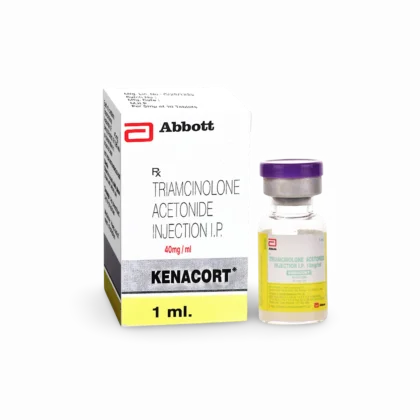
Reduces inflammation and suppresses overactive immune responses in various tissues to ease pain and swelling.
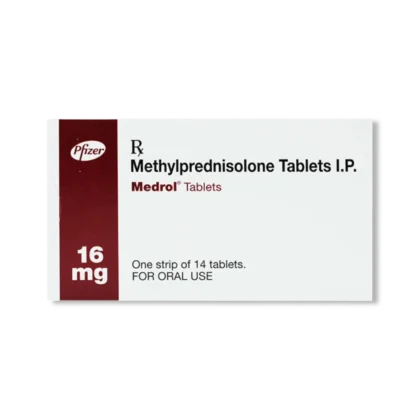
Reduces inflammatory responses and immune-driven symptoms by suppressing chemicals that cause swelling, redness, and pain.
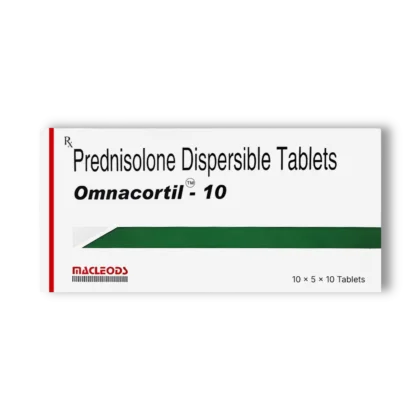
Reduces inflammation and modifies immune responses to manage various allergic, autoimmune, and inflammatory physical conditions.
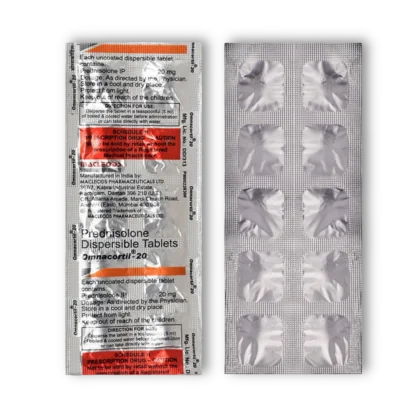
Reduces inflammatory and immune system responses by suppressing specific pathways that trigger swelling and allergic reactivity.
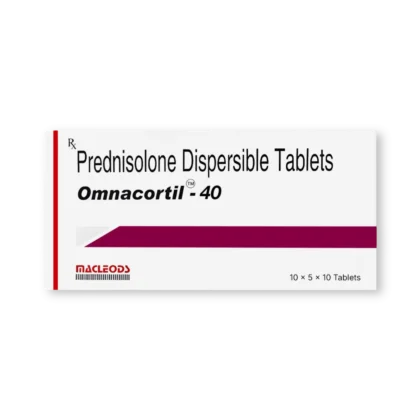
Reduces immune system responses and lowers tissue inflammation by mimicking natural hormones produced by your adrenal glands.
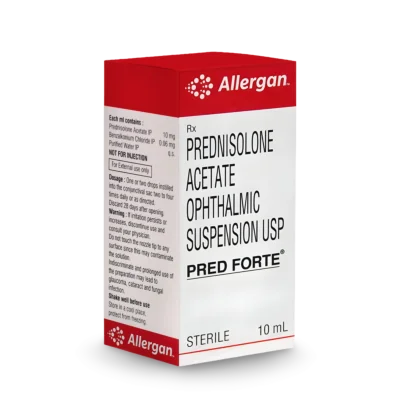
Reduces inflammatory responses by suppressing the immune system to ease swelling, redness, and underlying tissue irritation.

Reduces pain and swelling by blocking chemicals in your body that trigger inflammatory responses at the source.
Inflammation is your body’s protective reaction to injury, infection, or irritation. In its acute form, it is a necessary process that recruits immune cells to mend damaged tissue. You likely recognize this as the heat, pain, and redness that occur immediately after a minor scrape or during a seasonal illness.
However, when this response does not switch off, it transitions into chronic inflammation. This state can damage healthy cells, tissues, and organs over time. Many people experience this as joint stiffness, persistent muscle aches, or skin irritation that flares up intermittently. Understanding your specific triggers and how your body reacts to stress can be a helpful step in seeking the right support.
Treatment approaches generally focus on calming the immune system or reducing the chemical signals that drive pain and swelling. Professionals often categorize these solutions into anti-inflammatory agents that work throughout the system and those applied directly to the skin. Access to these medications varies across the United States, United Kingdom, Australia, and Canada, typically requiring a clinical assessment to ensure the chosen path is suitable for your health history.
Non-steroidal anti-inflammatory drugs (NSAIDs) are a primary category used to block enzymes that produce pain-signaling chemicals in the body. Corticosteroids represent another essential class, acting as potent agents to suppress immune activity. While NSAIDs are often used for localized aches or systemic pain, corticosteroids are frequently reserved for more intensive inflammatory conditions, as they exert a broader influence on the immune system.
Navigating the different forms of anti-inflammatory relief can feel overwhelming. Understanding how these categories differ helps you have a more productive conversation with your provider.
These medications address pain and swelling by interfering with specific enzymes. They are often taken orally to manage discomfort associated with inflammation in muscles or joints. Delivery forms vary, with tablets being the most common way to address systemic aches.
Corticosteroids mimic hormones the body produces naturally to lower inflammation levels. These are highly versatile and arrive in multiple delivery formats depending on where the inflammation is located. Oral tablets target widespread immune responses, while injectable formats or topical creams allow for more focused delivery to specific joints or irritated skin areas.
It is important to evaluate any underlying health conditions before starting anti-inflammatory therapy. Factors such as a history of stomach ulcers, existing high blood pressure, or kidney function are often reviewed by providers, as these conditions may influence which medication class is suitable for you.
Different classes of anti-inflammatory agents carry distinct profiles regarding how they are tolerated. Digestive sensitivity is a common consideration with oral NSAIDs, whereas long-term use of corticosteroids requires careful monitoring to ensure that the body’s natural hormonal balance remains stable. Being aware of how your body reacts to a new treatment is a key part of your own health monitoring.
Many anti-inflammatory medications can interact with other drugs, including those for blood pressure or blood thinning. Because these agents work by altering chemical pathways in the body, it is essential to share a complete list of any supplements or prescription drugs you are already taking. Product labeling and verified clinical sources remain the correct references for specific contraindications, interactions, and potential reactions.
This page provides an educational overview of inflammation and the medication categories listed — not medical advice. Individual products differ in active ingredient, formulation, strength, and directions. The page does not authorize self-directed selection, clinical interpretation, or unsupervised use. Readers should review individual product labeling and speak with a healthcare professional when clinical judgment is needed to manage inflammation or address specific health concerns.