
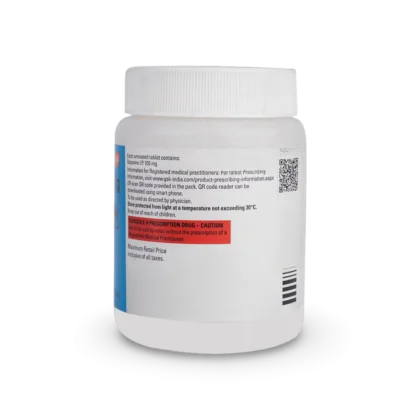
Dapsone 100 mg
Targets certain bacterial processes and inflammatory pathways to manage complex skin and infection-related health conditions.
 Leprosy Medications
 Living with a diagnosis of leprosy requires ongoing medical attention and a consistent approach to antimicrobial therapy. This persistent condition, caused by slow-growing bacteria, necessitates specialized care to address both skin and nerve symptoms. One formulation is listed below, representing the sulfone-class antimicrobial medications often utilized within formal treatment regimens for this infection.
Targets certain bacterial processes and inflammatory pathways to manage complex skin and infection-related health conditions.
Leprosy is a chronic infectious disease that primarily affects the skin, peripheral nerves, mucosal surfaces of the upper respiratory tract, and the eyes. Caused by the bacterium Mycobacterium leprae, it progresses slowly and can remain undetected for years. Patients often experience discolored skin patches, numbness in the extremities, and progressive muscle weakness as the bacteria interact with the body’s nerve endings.
The condition carries a significant historical and emotional weight, often leading to feelings of isolation. Understanding that leprosy is treatable and that early intervention prevents permanent nerve damage can provide much-needed clarity. Managing the condition requires patience and a sustained partnership with healthcare providers who focus on multi-drug regimens to ensure the infection is fully addressed while monitoring for potential nerve complications.
Treatment approaches for leprosy rely on multi-drug therapy designed to eliminate the bacterial infection and halt its progression. Because Mycobacterium leprae replicates slowly, patients typically receive medication over an extended period. The core of this therapy involves sulfone-class antimicrobials, which act to inhibit bacterial growth, used alongside other antibiotics to prevent the development of drug-resistant strains.
Clinical practice across global healthcare settings emphasizes the importance of consistent medication adherence. While these medications manage the active infection, healthcare teams also monitor for reactions where the immune system responds to the presence of dead bacteria, which may require additional support. Coordination between dermatology and neurology specialists remains standard for managing the long-term impact of the condition on nerve function.
Patients often navigate treatment plans that combine medications with distinct pharmacological actions. Sulfones represent a fundamental class in this area, acting as bacteriostatic agents that prevent the bacteria from producing necessary nutrients. These are prescribed as part of a regimen that may involve other antibiotic agents to ensure the infection is effectively neutralized across its different clinical expressions.
Oral administration is standard for these treatments, allowing the active ingredients to maintain stable levels throughout the body. The duration of therapy is determined by the specific classification of the infection—whether paucibacillary, involving fewer bacteria, or multibacillary, where the bacterial load is higher. Providers adjust the length and intensity of the regimen based on the patient’s progress and clinical status.
Starting a new medication regimen for a chronic infection requires a thorough review of your medical history, especially concerning existing liver or blood conditions. Providers establish a baseline to monitor how the body processes specific antimicrobials. Ensuring a clear understanding of the full treatment schedule is essential, as leprosy therapy is rarely a short-term commitment.
Sulfone-class medications can lead to specific reactions, which are often monitored closely during the first few weeks of therapy. Patients may experience skin sensitivities or temporary changes in blood counts, necessitating regular blood tests. Open communication with a provider regarding any new symptoms—such as fatigue, skin reactions, or neurological changes—allows for timely adjustments to the supportive care plan.
Many anti-leprosy medicines interact with other common prescriptions, including medications for secondary infections or pre-existing health concerns. Informing your healthcare professional about all current supplements and medicines avoids potential complications. Product labeling and verified clinical sources remain the correct references for specific contraindications, interactions, and potential reactions.
This page provides an educational overview of leprosy and the medication categories listed — not medical advice. Individual products differ in active ingredient, formulation, strength, and directions. The page does not authorize self-directed selection, clinical interpretation, or unsupervised use. Readers should review individual product labeling and speak with a healthcare professional when clinical judgment is needed.