
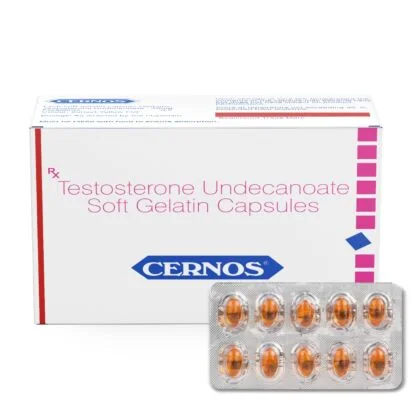
Cernos 40 Mg Soft Gelatin Capsule
Restores normal hormone levels by supplementing endogenous testosterone production to support male physical and metabolic function.
 Low Testosterone Medications
 Low testosterone affects your physical energy, emotional well-being, and overall quality of life by causing a decline in the hormone required for masculine development. Managing these levels often involves hormone replacement therapy. Seven formulations are listed below, covering options such as injectable esters (Sustanon 250, Cernos Depot), oral capsules (Cernos, Testoheal, Testoki), and transdermal gels (Cernos Gel, Testogel).
Restores normal hormone levels by supplementing endogenous testosterone production to support male physical and metabolic function.
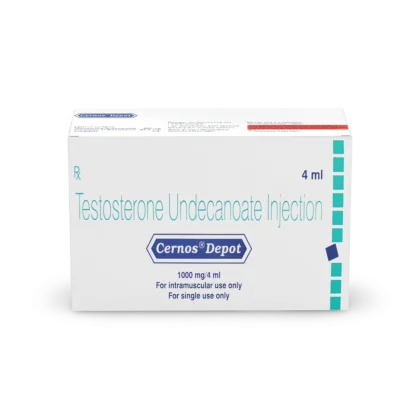
Supports natural hormone levels in men by supplementing existing testosterone to address symptoms of deficiency.
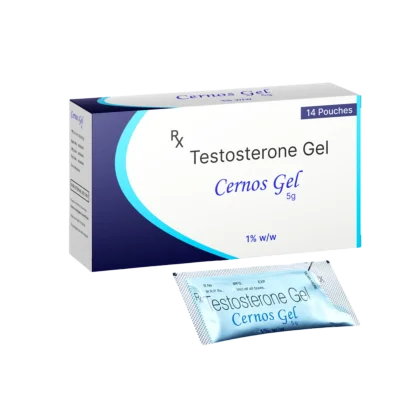
Restores natural hormone levels by delivering active testosterone directly through the skin for consistent systemic absorption.

Restores healthy hormone levels by providing a sustained-release blend of testosterone esters for consistent physiological support.
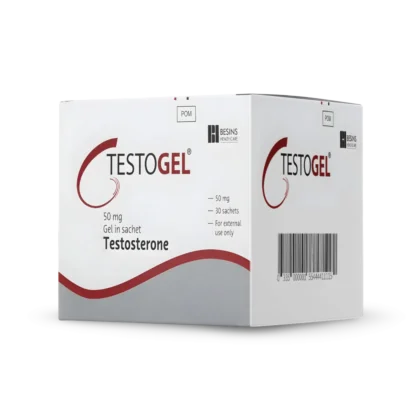
Restores normal hormonal function by supplementing testosterone to levels required for typical male physiological health and maintenance.
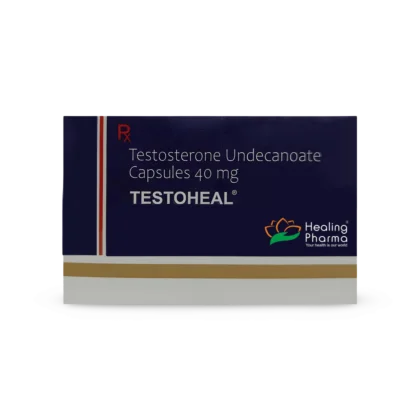
Restores testosterone levels to address symptoms of hormonal deficiency by supplementing natural hormone production.
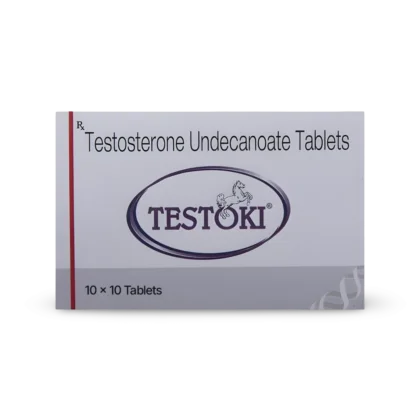
Replaces natural hormone levels to support masculine health, energy, and muscle strength in adult men.
Low testosterone, or hypogonadism, occurs when your body does not produce enough of the primary male hormone. This condition can stem from natural aging, underlying health factors, or disturbances in the signals sent between your brain and your reproductive system. When internal production drops, you may notice changes in body composition, energy reserves, and daily motivation.
Living with this imbalance often feels like a persistent weight on your stamina and focus. Beyond physical changes such as loss of muscle mass or increased body fat, many people experience shifts in mood, sleep quality, and sexual desire. Because these symptoms often overlap with other health concerns, identifying the root cause is a significant step toward feeling like yourself again.
Treatment for low testosterone focuses on replacing the hormone to bring levels back into a range that supports your system’s regular function. Medical providers typically determine the approach based on your specific needs, existing health factors, and how your body responds to different delivery methods. Most interventions are categorized as exogenous testosterone replacement and require professional oversight to monitor your response.
In many international markets, including the United States, United Kingdom, Australia, and Canada, these medications are strictly regulated and require a diagnosis confirmed by blood tests. The goal is to provide consistent hormone coverage without overloading your body. Depending on the formulation, this is achieved through steady-state injections, daily oral intake, or consistent absorption through the skin.
Medications for this condition generally fall into three delivery categories, each designed to manage how the hormone enters your bloodstream. Your provider chooses the formulation that best suits your lifestyle and health profile.
Injections typically introduce long-acting esters into the muscle tissue, where the hormone is released slowly over several days or weeks. This method is often chosen for its steady delivery profile, reducing the need for daily doses. Variations like those containing mixed testosterone esters aim to provide both immediate and sustained release following administration.
Oral tablets and capsules provide a straightforward way to ingest testosterone, with formulations designed to survive digestion. These are often used when a patient prefers avoiding injections, though they require strict adherence to daily dosing schedules to maintain stable hormone levels throughout the day.
Gels allow testosterone to be absorbed directly through the skin and enter the bloodstream through the dermal layers. Applied once daily to clean, dry skin, these products provide a consistent, non-invasive method of delivery. Because these are absorbed through the skin, instructions prioritize avoiding physical contact with others until the application site has dried completely.
Hormone replacement is a significant systemic change that requires a medical assessment of your heart health, prostate function, and red blood cell counts. Starting treatment without a confirmed diagnosis can interfere with your body’s own natural hormone production. A baseline blood panel is a necessary prerequisite to ensure that replacing testosterone is appropriate for your specific health situation.
Your body may react differently to various delivery systems, such as skin irritation from topical gels or injection site soreness. Adjusting to hormone therapy can also involve fluctuations in water retention, changes in sleep patterns, or impacts on skin health like acne. Observing how your body responds in the initial weeks of treatment helps your provider adjust your regimen to minimize discomfort.
Testosterone can interact with other treatments, particularly those affecting hormone regulation, blood-thinning medications, or drugs for diabetes. It is important to disclose all existing health conditions, such as sleep apnea or cardiovascular concerns, as hormone therapy may influence these markers. Product labeling and verified clinical sources remain the correct references for specific contraindications, interactions, and potential reactions.
This page provides an educational overview of low testosterone and the medication categories listed — not medical advice. Individual products differ in active ingredient, formulation, strength, and directions. The page does not authorize self-directed selection, clinical interpretation, or unsupervised use. Readers should review individual product labeling and speak with a healthcare professional when clinical judgment is needed.