
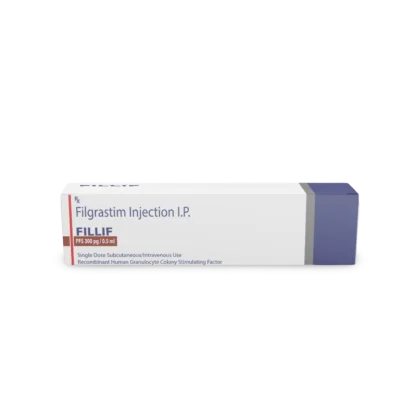
Fillif 300 Mcg Injection
Supports the formation of your white blood cells, assisting your immune system during intensive medical care.
 Neutropenia Medications
 Facing a diagnosis that requires chemotherapy often brings overwhelming emotional and physical weight. When your body experiences neutropenia, which involves a drop in critical white blood cells after cancer treatment, the sudden vulnerability to infection adds an extra layer of stress. Three formulations are listed below, all belonging to the granulocyte colony-stimulating factor (G-CSF) class, including Fillif, Neukine, and Religrast.
Supports the formation of your white blood cells, assisting your immune system during intensive medical care.
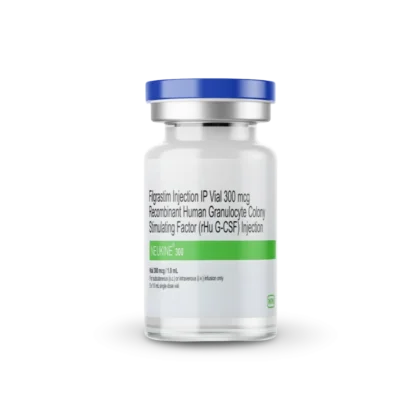
Stimulates your bone marrow to produce more neutrophils, helping your body rebuild its natural immune defenses.

Supports the recovery of white blood cell production by signaling bone marrow to release neutrophils into circulation.
Neutropenia manifests as a significant decrease in the number of neutrophils, the primary white blood cells that defend your body against bacterial infections. After undergoing chemotherapy, your bone marrow may struggle to produce these essential cells at a steady rate. This creates a period where your immune system is temporarily less equipped to fend off common pathogens, leaving you feeling understandably fragile and cautious about your daily environment.
The reality of this condition often means navigating strict hygiene protocols and closely monitoring your temperature. Because neutropenia reduces your immune response to potential invaders, even minor exposures that previously caused no issues may now trigger serious concerns. Understanding the scope of this condition helps in recognizing why medical teams emphasize blood count monitoring and supportive care during your recovery period.
Treatment for this condition focuses on boosting your white blood cell production to restore immune function. The primary approach involves the use of G-CSF agents, which are proteins that stimulate the bone marrow to accelerate the production and maturation of neutrophils. These medications are generally administered via injection, helping to shorten the duration of neutropenia following scheduled chemotherapy cycles.
Across international markets, including sites such as Australia, Canada, the United Kingdom, and the United States, these treatments are strictly prescription-based and integrated into an oncology care plan. They are not intended as standalone treatments but serve as supportive care to ensure your body maintains the resilience necessary to continue necessary medical protocols. Decisions regarding these treatments are tailored to the specific intensity of your chemotherapy regimen.
The medications currently available for managing neutropenia after chemotherapy are primarily biosimilar or generic versions of filgrastim. These agents function by mimicking natural growth factors in your body to encourage bone marrow activity. Because they are injectable formulations, they are designed to be readily absorbed into the bloodstream, reaching the bone marrow to initiate rapid cell production.
While these medications share the same primary mechanism, they provide options for clinicians to choose formulations that align with specific hospital or pharmacy supply chains. The consistency of these G-CSF injections allows for precise dosing based on your body weight and specific clinical requirements. The goal of using these agents remains the same: reducing the window of time your immune system remains vulnerable.
These medications are specifically designed to address bone-marrow suppression and should only be used under the direct supervision of an oncologist. Before beginning, it is necessary to discuss your full medical history, including any previous reactions to biologics. Your healthcare provider will perform regular blood tests to determine if your counts have recovered sufficiently.
Common responses to these injections may include bone pain, which occurs as your bone marrow ramps up cell production. Other potential sensations include muscle aches or injection-site discomfort. These effects are often managed through supportive care and typically resolve as your body adjusts to the medication, but they deserve open communication with your clinical team.
Because these treatments involve your immune system, you must inform your provider of all other medications you are taking, including supplements. Certain conditions or active infections may affect how these medications are administered. Product labeling and verified clinical sources remain the correct references for specific contraindications, interactions, and potential reactions.
Neutrophils : A type of white blood cell that acts as the body’s first line of defense against bacterial infections.
G-CSF : A protein that stimulates the bone marrow to produce and release neutrophils into the bloodstream.
Bone Marrow Suppression : A reduction in the production of blood cells, which is a common byproduct of chemotherapy treatment.
This page provides an educational overview of neutropenia and the medication categories listed — not medical advice. Individual products differ in active ingredient, formulation, strength, and directions. The page does not authorize self-directed selection, clinical interpretation, or unsupervised use. Readers should review individual product labeling and speak with a healthcare professional when clinical judgment is needed.