
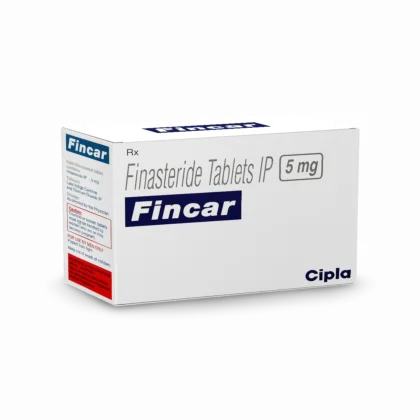
Fincar 5 mg
Blocks the enzyme responsible for converting testosterone into the hormone that causes prostate growth and thinning hair.
 Male Pattern Hair Loss Medications
 Noticing a change in your hairline or crown can feel like a significant adjustment, impacting how you see yourself in the mirror. Male pattern hair loss, also known as androgenetic alopecia, often stems from a combination of hormonal signals and genetic predisposition. Fortunately, six formulations are listed below, including oral 5-alpha reductase inhibitors like finasteride and topical solutions featuring minoxidil.
Blocks the enzyme responsible for converting testosterone into the hormone that causes prostate growth and thinning hair.
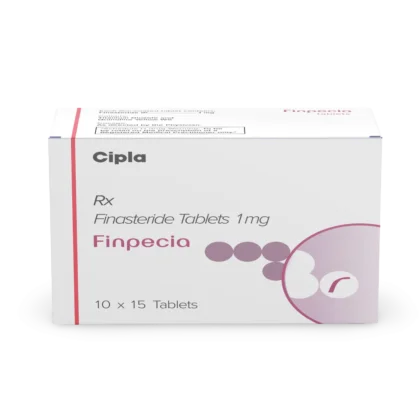
Blocks the hormone responsible for scalp hair follicle shrinkage and prostate enlargement to manage hair loss.
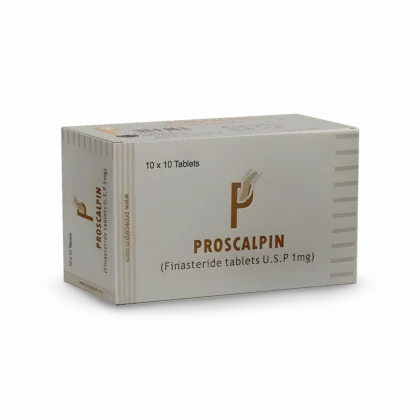
Inhibits the conversion of testosterone into dihydrotestosterone to slow hair thinning and support scalp hair maintenance.
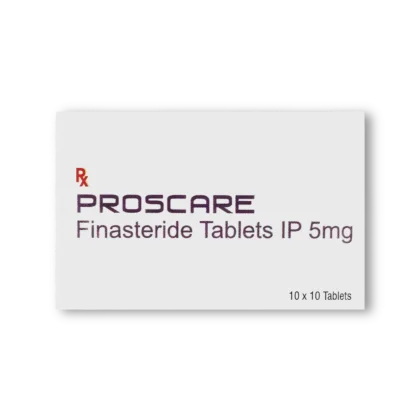
Blocks an enzyme that converts testosterone into a hormone responsible for prostate growth and hair follicle thinning.
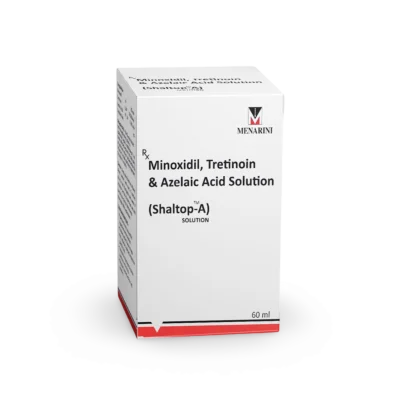
Combining localized stimulation for hair follicles with accelerated cell turnover to clear pores and refine skin texture.
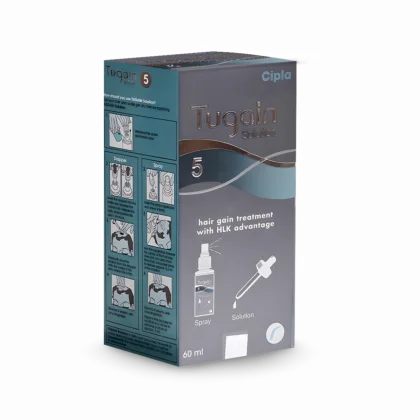
Promotes hair regrowth by increasing blood flow to follicles and extending the active growth phase of hair cycles.
Male pattern hair loss is a progressive condition where hair follicles on the scalp gradually shrink over time. This process, known as miniaturization, results in shorter, finer hairs until eventually, the follicles stop producing visible growth. It typically begins with a receding hairline or thinning at the crown, eventually meeting to leave a horseshoe pattern of hair around the back and sides of the head.
While the loss follows a predictable trajectory, the psychological experience is unique to each person. Recognizing these changes early is common for many men, as the condition is driven by sensitivity to dihydrotestosterone (DHT) within the scalp. Understanding that this is a widespread, systemic response to biological triggers rather than a personal failing can be a helpful step toward finding clarity.
Treatment approaches focus on two primary objectives: blocking the conversion of testosterone into DHT or directly stimulating the blood flow to hair follicles. Medications for this condition generally fall into two main categories: oral enzyme inhibitors and topical vasodilators. These are used to manage the progression of thinning rather than providing an immediate restoration of full hair volume.
Across many regions, including major international markets, these medications are recognized as established options for long-term health management. Access varies by jurisdiction, with some formulations requiring professional guidance due to their systemic effects, while others may be available as topical solutions. Engaging with a healthcare provider helps ensure that the chosen approach aligns with your specific health profile and personal goals.
Navigating the landscape of available treatments involves understanding how different drug classes influence hair growth cycles. By targeting the underlying causes of miniaturization, these medications aim to stabilize hair loss and support the health of existing follicles.
These medications work by inhibiting the enzyme responsible for converting testosterone into DHT in the body. By reducing circulating levels of this hormone, they address the primary driver of follicle miniaturization. These are typically taken as daily oral tablets to maintain consistency in hormone regulation.
Topical solutions, most notably those containing minoxidil, work by widening blood vessels in the scalp. This action may increase the supply of oxygen and nutrients to follicles, potentially extending the growth phase of the hair cycle. These are applied directly to the affected areas of the scalp as a liquid or foam formulation.
Assessing your overall health is the first step in determining if a medication is appropriate for your situation. Consider any pre-existing hormonal concerns or cardiovascular history that might be relevant when discussing treatment with a provider.
Oral inhibitors and topical solutions have different profiles regarding potential reactions. Some individuals may notice changes in scalp sensitivity with topical treatments, while oral medications carry the potential for systemic effects that should be monitored during a medical consultation.
It is essential to review all current medications and health history with a professional to avoid contraindications. Combining certain hair loss medications with other treatments can lead to unexpected interactions, and your personal medical background is key to confirming if these formulations are appropriate for you. Product labeling and verified clinical sources remain the correct references for specific contraindications, interactions, and potential reactions.
This page provides an educational overview of male pattern hair loss and the medication categories listed — not medical advice. Individual products differ in active ingredient, formulation, strength, and directions. The page does not authorize self-directed selection, clinical interpretation, or unsupervised use. Readers should review individual product labeling and speak with a healthcare professional when clinical judgment is needed.