

Oestrogel 2.5 gm/1.5 mg
Replenishes estrogen levels to ease symptoms associated with menopause or low hormone production in the body.
 Menopause Symptoms Medications
 Navigating the transition surrounding menopause often brings physical and emotional changes as your body adjusts to shifting hormone levels. Managing these shifts typically involves different forms of hormone replacement therapy. Three formulations are listed below, including the transdermal estradiol gel Oestrogel and the oral tablet Progynova, which represent common hormonal approaches to symptom relief.
Replenishes estrogen levels to ease symptoms associated with menopause or low hormone production in the body.

Replenishes estrogen levels to ease common symptoms associated with hormonal changes, improving comfort beyond the menopause transition.
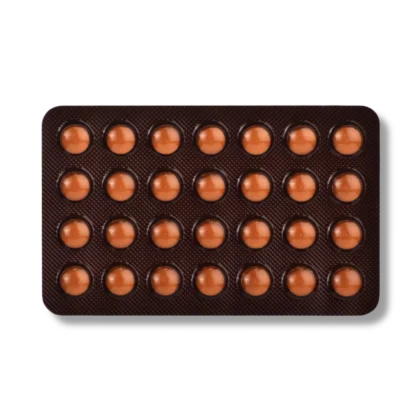
Supports estrogen levels in the body to help manage symptoms associated with hormone changes or deficiency.
Menopause marks the end of menstrual cycles and the close of your reproductive years. This transition occurs as the ovaries produce significantly lower levels of estrogen and progesterone. While this is a natural phase of life, the resulting imbalance can lead to a variety of physical and emotional markers that vary greatly from person to person.
Common signs of this transition often include sudden feelings of intense warmth known as hot flashes, night sweats, and disruptions to sleep patterns. Many individuals also report fluctuations in mood, changes in skin texture, and vaginal dryness. Understanding these signals as part of a temporary, albeit challenging, hormonal shift can help you better manage your daily comfort and long-term health.
Addressing these symptoms typically involves approaches designed to restore hormone balance or ease specific discomforts. Hormone replacement therapy remains the standard approach for managing systemic effects, as it replaces the hormones that the body no longer produces at pre-menopausal levels. Practitioners often select between oral tablets and transdermal options, such as gels or patches, depending on your individual health profile and specific symptoms.
In global markets including the United Kingdom, Australia, and Canada, these medications generally require a professional evaluation before use. Treatment strategies may differ based on your medical history, such as the presence of certain cardiovascular risks or a history of hormone-sensitive conditions. Healthcare providers work to find the lowest effective dose to address symptoms while monitoring how your body responds to the supplemental hormones.
The management of hormonal shifts generally relies on two primary delivery methods, each serving different clinical needs. Understanding these categories can help you orient yourself before your next consultation.
Oral tablets, such as those containing estradiol valerate, offer a systemic way to supplement estrogen levels through the digestive system. These are taken daily to maintain steady hormone concentrations in your bloodstream. Oral options are a common starting point for many, though they undergo processing by the liver, which may be a consideration for patients with specific digestive or metabolic health factors.
Transdermal options, including gels applied to the skin, allow the medication to enter the bloodstream directly, bypassing the digestive tract. This method can be particularly useful if you prefer to avoid the metabolic processing associated with oral tablets. Because the hormone is absorbed through the skin, the concentration in the blood may remain more consistent throughout the day, often resulting in lower daily dosage requirements compared to oral alternatives.
A comprehensive assessment of your medical history is essential. Conditions related to blood clotting, liver health, or previous hormone-sensitive cancers can significantly influence whether hormonal support is appropriate. Discussing your family health background allows a provider to determine the risk-to-benefit profile of initiating any replacement therapy.
Hormonal adjustments may cause temporary reactions as your body acclimates to the new levels. Common observations include breast tenderness, bloating, or mild headaches during the initial weeks of use. Monitoring these reactions helps determine if an adjustment in dosage or a switch between oral and transdermal forms might improve your comfort and overall tolerability.
Estrogen-based medications may interact with other substances, including certain prescriptions for blood pressure or other chronic conditions. Lifestyle factors, such as smoking, also change how the liver processes these hormones and may influence vascular health. Product labeling and verified clinical sources remain the correct references for specific contraindications, interactions, and potential reactions.
This page provides an educational overview of menopause symptoms and the medication categories listed — not medical advice. Individual products differ in active ingredient, formulation, strength, and directions. The page does not authorize self-directed selection, clinical interpretation, or unsupervised use. Readers should review individual product labeling and speak with a healthcare professional when clinical judgment is needed.