
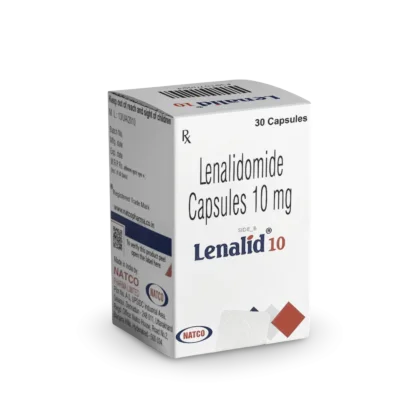
Lenalid 10 Mg Capsules
Modulates the immune system to target abnormal cells and prevent the development of cancerous tumor growth.
 Multiple Myeloma Medications
 Receiving a diagnosis of multiple myeloma often brings a complex emotional journey and a need for clarity regarding treatment paths. This condition involves the overgrowth of abnormal plasma cells in the bone marrow, which can impact bone health and immunity. Three formulations are listed below, spanning immunomodulators like lenalidomide (Lenalid) and liposomal chemotherapy agents like doxorubicin (Lipodox).
Modulates the immune system to target abnormal cells and prevent the development of cancerous tumor growth.
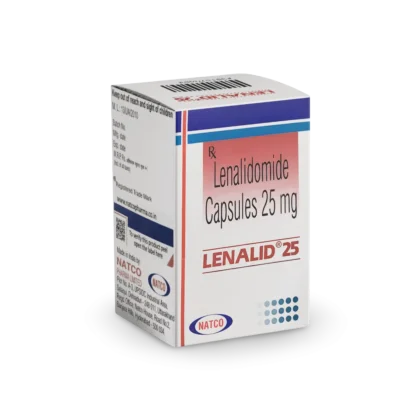
Targets cancer cell growth and modulates the immune response to interfere with malignant cell survival.
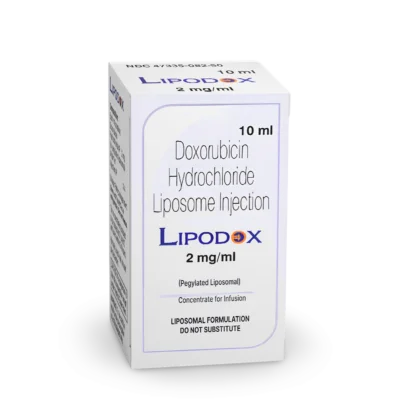
Delivers potent anti-neoplastic compounds within protected lipid spheres to target malignant cells while minimizing systemic impact.
Multiple myeloma is a malignancy originating in plasma cells, a type of white blood cell responsible for producing antibodies. When these cells become cancerous, they multiply uncontrollably and crowd out healthy cells in the bone marrow. This process frequently leads to complications such as weakened bones, anemia, and reduced kidney function, as the abnormal cells interfere with the body’s natural regenerative processes.
The emotional weight of navigating this diagnosis can feel overwhelming, but understanding the disease mechanism provides a foundation for discussions with your hematologist-oncologist. Because the condition affects the immune system and skeletal integrity, the management approach is tailored to address both the underlying malignancy and the specific symptoms you might experience. Each person’s experience with the condition is unique, requiring a personalized medical strategy supported by modern oncology treatments.
Treatment for multiple myeloma typically involves a multi-modal approach designed to control the disease, manage complications, and support your quality of life. Medical teams often utilize a combination of systemic therapies to target cancer cells throughout the body. These may include immunomodulating agents, targeted therapies, and chemotherapy, often administered in cycles to allow the body time to recover.
In global markets, these medications are strictly regulated and fall under specialized oncology protocols. Access to these treatments is managed through hospital-based infusion centers or specialized pharmacy programs, contingent upon specific laboratory markers and your individual treatment plan. Coordination with a specialist is essential, as these therapies require precise monitoring of blood counts, organ function, and potential treatment responses.
The medications used to address multiple myeloma generally fall into distinct classes, each functioning through different mechanisms to inhibit cancer cell growth. Understanding these categories can help you better prepare for consultations with your oncology team.
Immunomodulators work by interfering with the signals that cancerous cells use to thrive and by stimulating the body’s own immune response to attack malignant cells. These agents are often taken orally and are a cornerstone of maintenance or combination therapy regimes.
Liposomal chemotherapy formulations are designed to deliver targeted medication directly into the bloodstream or specific tissues while aiming to reduce the impact on healthy cells. By encapsulating chemotherapy agents in lipid-based carriers, these treatments alter how the body processes the medication, often extending the drug’s activity compared to traditional infusions.
Beginning any new regimen requires a thorough review of your current medical history, particularly regarding renal health, cardiovascular function, and blood clotting risks. Your doctor will likely conduct baseline blood tests to ensure your body is prepared for the physiological demands of the treatment. Open communication about your symptoms and any previous reactions to oncological treatments is essential for building a safe plan.
Because these medications have potent effects on the bone marrow and immune system, they may cause temporary changes in blood cell levels, such as neutropenia or anemia. You might also experience fatigue or skin reactions, which are common responses to systemic oncology therapies. These physical challenges are monitored closely by your healthcare team, who can adjust doses or provide supportive care to help you manage potential discomfort.
Multi-drug regimens significantly increase the risk of interactions with other medicines, including over-the-counter supplements or herbal remedies. Consistency in your monitoring schedule and adherence to prescribed dosing instructions are critical to maintaining the efficacy of your treatment. Product labeling and verified clinical sources remain the correct references for specific contraindications, interactions, and potential reactions.
This page provides an educational overview of multiple myeloma and the medication categories listed — not medical advice. Individual products differ in active ingredient, formulation, strength, and directions. This page does not authorize self-directed selection, clinical interpretation, or unsupervised use. Readers should review individual product labeling and speak with a healthcare professional when clinical judgment is needed.