
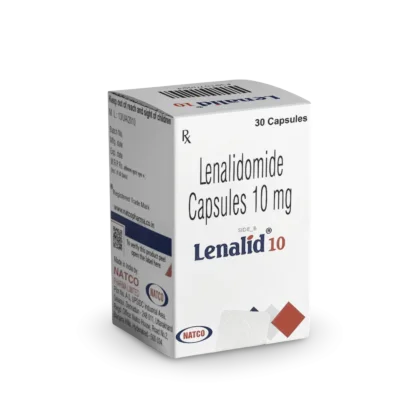
Lenalid 10 Mg Capsules
Modulates the immune system to target abnormal cells and prevent the development of cancerous tumor growth.
 Myelodysplastic Syndromes Medications
 Living with myelodysplastic syndromes (MDS) changes your daily perspective on health, as the body struggles to generate sufficient healthy blood cells. Managing these conditions often involves therapeutic options designed to support bone marrow function. Two formulations are listed below, specifically focusing on immunomodulatory agents, such as lenalidomide, which assist in regulating your body’s immune response.
Modulates the immune system to target abnormal cells and prevent the development of cancerous tumor growth.
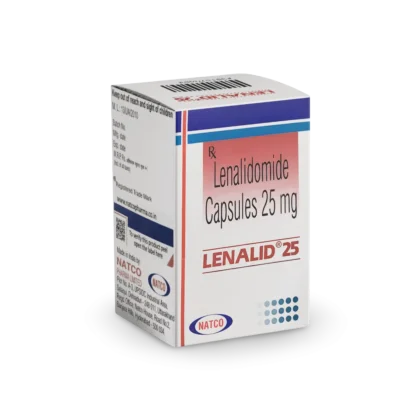
Targets cancer cell growth and modulates the immune response to interfere with malignant cell survival.
Myelodysplastic syndromes comprise a spectrum of blood disorders originating in the bone marrow. When these disorders develop, the marrow produces immature or malformed cells instead of fully functional red blood cells, white blood cells, or platelets. This process frequently leads to anemia, frequent infections, or an increased tendency to bleed, which can leave you feeling chronically exhausted or vulnerable.
The progression of these syndromes varies significantly between individuals. While some may experience stable, mild symptoms over many years, others face a more rapid decline in blood counts that requires intensive medical attention. Recognizing the signs—such as unusual fatigue, pale skin, or persistent bruising—is the first step toward working with a hematology specialist to understand how your specific condition is behaving.
Treatment for MDS revolves around restoring blood counts, alleviating symptoms, and slowing the progression of abnormal cell development. Because these conditions are complex and highly individual, clinical management often involves a combination of supportive care and targeted drug therapies. Your healthcare provider looks at genetic markers and blood cell stability to determine which path best supports your well-being.
Immunomodulatory agents remain a cornerstone of this treatment landscape. These medicines work by altering the internal environment of your bone marrow, potentially reducing the reliance on blood transfusions and supporting healthier blood cell production. Access to these specialized treatments generally occurs through hematology and oncology services, where providers across global markets monitor your blood markers to adjust therapy safely.
Therapies for MDS generally fall into classes tailored to specific cellular needs. Immunomodulatory agents are frequently used when specific genetic patterns, such as the 5q deletion, are present. These treatments serve to influence how bone marrow cells interact with your immune system, aiming to improve the quality of the blood cells released into your circulation.
Supportive medications also play a central role alongside these targeted agents. Depending on your specific symptoms, your clinical team might incorporate treatments that address specific deficiencies or complications arising from low blood cell counts. These approaches are designed to complement primary therapies, ensuring that the burden of MDS on your daily life remains as manageable as possible through targeted, science-based intervention.
Therapies for these syndromes carry unique profiles that require close monitoring of your complete blood count. Your provider will evaluate your baseline health, specifically assessing your cardiovascular status and any history of clotting or immune-related conditions. Open communication about your medical history ensures that the chosen treatment aligns with your body’s current capacity to process specialized medication.
Immunomodulatory agents may cause variations in how you feel, particularly during the initial phases of therapy. Common observations include fatigue or skin sensitivities that arise as your body adjusts to the medication’s mechanism of action. These responses do not imply the medicine is failing, but they do indicate a need for consistent follow-up with your care team to manage your comfort.
Because MDS treatments can interact with other common medications, your care team must review your entire health profile, including supplements and over-the-counter additions. Factors such as kidney and liver function undergo routine assessment, as these organs are vital for clearing medications from your system safely. Product labeling and verified clinical sources remain the correct references for specific contraindications, interactions, and potential reactions.
This page provides an educational overview of myelodysplastic syndromes and the medication categories listed — not medical advice. Individual products differ in active ingredient, formulation, strength, and directions. This page does not authorize self-directed selection, clinical interpretation, or unsupervised use. Readers should review individual product labeling and speak with a healthcare professional when clinical judgment is needed.