
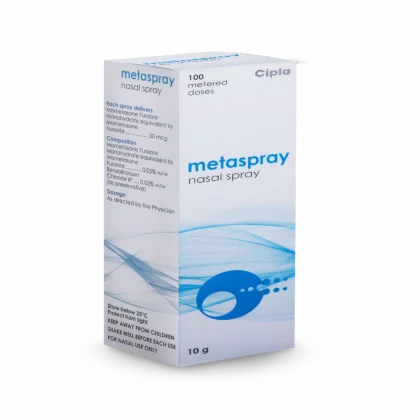
Metaspray 100 mdi Nasal Spray
Reduces inflammation in nasal passages to help you manage lingering allergy symptoms throughout the seasons.
 Nasal Allergy Symptoms Medications
 Managing persistent nasal allergies can feel like an ongoing struggle, especially when sneezing, congestion, and itching disrupt your daily routine. By understanding the available treatment options, you can better coordinate your care with a provider. Two formulations are listed below, covering intranasal corticosteroids for respiratory inflammation and topical creams for associated dermatological concerns.
Reduces inflammation in nasal passages to help you manage lingering allergy symptoms throughout the seasons.
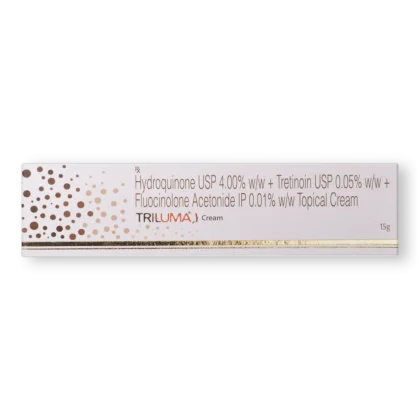
Addresses skin discoloration by slowing melanin production, reducing inflammation, and accelerating the natural cycle of skin turnover.
Nasal allergy symptoms, medically referred to as allergic rhinitis, occur when your immune system overreacts to harmless airborne particles. Common triggers include tree or grass pollen, mold spores, dust mites, and pet dander. When you inhale these allergens, your nasal passages often respond by releasing histamine and other chemicals, which lead to significant inflammation and distress.
This physical response typically manifests as persistent sneezing, a runny or stuffy nose, and an irritating itch in the nose, throat, or roof of the mouth. For many, these symptoms are not merely physical nuisances but factors that significantly impact sleep quality, concentration, and general well-being. Recognizing the specific triggers and the nature of your reaction is the first step toward effective management.
Treatment approaches generally focus on reducing inflammation and blocking the chemical responses that cause allergy distress. Intranasal corticosteroids represent a common category of medication, designed to target localized swelling within the nasal passages. By consistently applying these treatments, you may decrease the frequency and severity of your allergic responses over time.
For individuals experiencing skin-related symptoms or complications often associated with allergic reactions, specialized topical treatments may be involved. These topical agents work differently than inhalants, focusing on the skin’s surface to address discoloration, inflammation, or irritation caused by prolonged reactivity. Access to these diverse medications varies across international markets, often depending on local healthcare regulations regarding non-prescription and prescription items.
The landscape of allergy care involves distinct medication classes, each addressing different physiological pathways. Intranasal corticosteroids serve as a cornerstone for respiratory symptoms by providing direct, localized relief within the nasal cavity. Regular adherence is often requested by clinicians to maximize the therapeutic benefit of these agents.
Topical cream formulations, conversely, address the skin-level effects that sometimes accompany systemic or local allergic reactivity. While intranasal sprays target the mucosal membranes to reduce congestion and sneezing, topical creams focus their action on the skin barrier. Comparing these delivery formats helps you and your provider determine which approach aligns with your specific symptoms.
It is essential to identify your primary allergens through diagnostic testing to ensure the chosen treatment approach is appropriate. Starting a new medication requires a clear understanding of your medical history, as some nasal sprays or topical treatments may not be suitable if you have underlying eye conditions or specific skin sensitivities.
Intranasal corticosteroids are generally well-tolerated when used as directed, but they may cause local irritation or dryness in sensitive nasal tissues. Topical creams targeting skin inflammation may lead to surface-level reactions or increased sensitivity to sunlight in some users. Monitor how your body responds to the initial application and report any persistent discomfort to your provider.
Always disclose any current medications or supplements to your healthcare provider, as systemic absorption can occur even with localized applications. Certain health factors, such as high blood pressure or specialized hormonal conditions, may influence whether a specific steroid-based medication is appropriate for your long-term use. Product labeling and verified clinical sources remain the correct references for specific contraindications, interactions, and potential reactions.
This page provides an educational overview of nasal allergy symptoms and the medication categories listed — not medical advice. Individual products differ in active ingredient, formulation, strength, and directions. The page does not authorize self-directed selection, clinical interpretation, or unsupervised use. Readers should review individual product labeling and speak with a healthcare professional when clinical judgment is needed.