
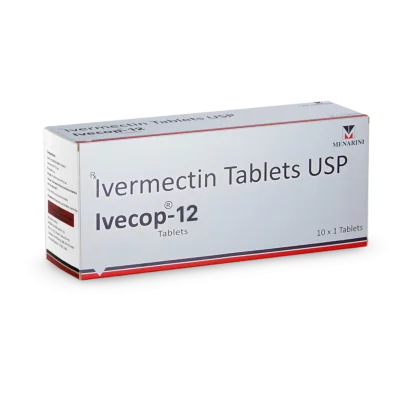
Ivecop 12 mg
Targets parasitic nervous systems to effectively clear internal and external worm infestations throughout the body.
 Parasitic Worm Infections Medications
 Living with a parasitic worm infection can feel overwhelming, but effective treatments exist to help your body recover. Dealing with these infections often requires targeted medicine to eliminate the parasites efficiently. Five formulations are listed below, all featuring ivermectin, a core anthelmintic medication used to address various types of parasitic infestations throughout the body.
Targets parasitic nervous systems to effectively clear internal and external worm infestations throughout the body.
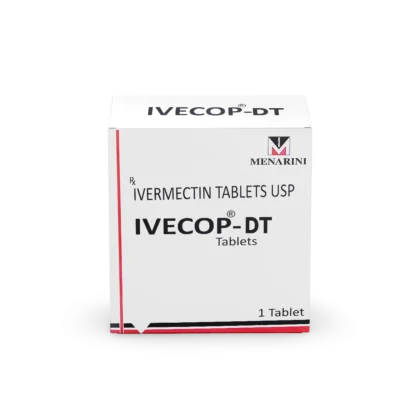
Targets specific parasitic infections by binding to nerve and muscle cells of the parasite to clear symptoms.
Targets specific parasitic infections by disrupting the nerve and muscle function of the infecting organism.
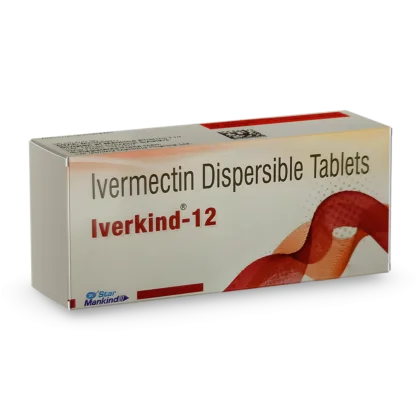
Targets parasitic nerve and muscle systems to disrupt growth and resolve infestations in various tissue environments.
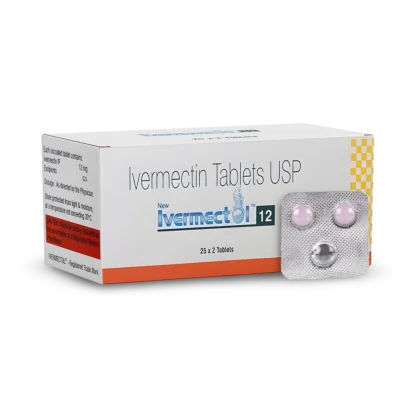
Targets parasitic organisms by disrupting their nervous system function, allowing your body to clear the infestation.
Parasitic worm infections happen when organisms, such as roundworms, hookworms, or threadworms, enter the human body and thrive. These parasites often make their way into your system through contaminated food, water, or contact with infected soil. Once inside, they may live in the intestines or migrate to other tissues, leading to symptoms like abdominal pain, fatigue, and skin irritation.
Recognizing these infections early is helpful for your overall well-being. While many people associate these conditions with travel, they can occur in various environments where sanitation is compromised or when exposed to specific larvae. Understanding that this is a manageable health concern rather than a personal failing is a necessary step during your recovery.
Treatment centers on the use of anthelmintic medications—drugs specifically designed to rid the body of parasitic worms. These treatments work by interfering with the parasite’s nervous system or cellular metabolism, which stops them from feeding or reproducing. Once the parasites are incapacitated, your body can naturally clear them from your system.
Across global markets, including areas served by international healthcare platforms, these medications are primarily managed through pharmacy-distributed, prescription-grade treatments. Healthcare providers choose specific therapies based on the type of parasite identified through laboratory testing. Using the correct medication ensures that the treatment focus remains strictly on the specific organism responsible for your symptoms.
The medications listed share a common active ingredient, ivermectin, which is part of the avermectin class of drugs. This medicine is highly effective at binding to specific channels in the parasites’ nerve and muscle cells. By causing paralysis in the worm, the medication allows your immune system to remove the infection more effectively.
Delivery forms can vary, which may influence how easily you can incorporate the medication into your daily life. Available options include standard tablets and dispersible tablets, known as DT formulations. Dispersible tablets are designed to break down in water, which can provide a convenient alternative if swallowing whole tablets is difficult for you.
Consulting a healthcare provider before beginning any anthelmintic treatment is necessary to confirm the diagnosis and ensure proper dosage. Because these medicines target specific organisms, using the wrong type of medication may prove ineffective. A provider will verify that the chosen therapy matches the specific parasite identified in your clinical tests.
While many people tolerate anthelmintic treatments well, the body may experience a reaction as the parasites are cleared away. Common experiences during this process include temporary digestive changes or mild skin sensations. These reactions are often signs that the medication is active, but you should monitor them closely and reach out to a professional if they persist or feel concerning.
Your liver and kidney function play a role in how your body processes these medications, so share your full health history with your provider. Mention any other supplements or prescription medicines you are currently taking, as some substances may interact with your treatment. Product labeling and verified clinical sources remain the correct references for specific contraindications, interactions, and potential reactions.
Anthelmintic : A class of medication used to destroy or expel parasitic worms from the body.
Ivermectin : A potent active ingredient that paralyzes parasites by affecting their nerve and muscle cell function.
Dispersible Tablet : A formulation designed to dissolve or break down in water, making the medication easier to ingest.
This page provides an educational overview of parasitic worm infections and the medication categories listed—not medical advice. Individual products differ in active ingredient, formulation, strength, and directions. The page does not authorize self-directed selection, clinical interpretation, or unsupervised use. Readers should review individual product labeling and speak with a healthcare professional when clinical judgment is needed.