

Pulmonary Arterial Hypertension Medications
Living with a respiratory and cardiovascular condition like pulmonary arterial hypertension can feel overwhelming, but understanding the available medical support is a primary step toward better care. The 91 formulations listed below focus on phosphodiesterase-5 (PDE5) inhibitors, including sildenafil-based options, and combination therapies tailored to address specific vascular needs.
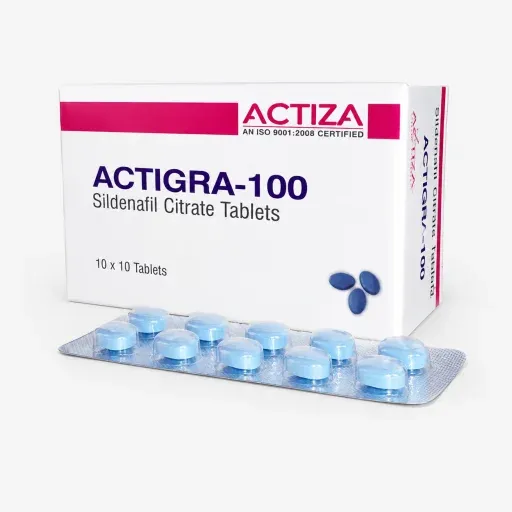
Actigra 100 mg
SildenafilRestores erectile function by blocking the enzyme that restricts blood flow to penile tissue.
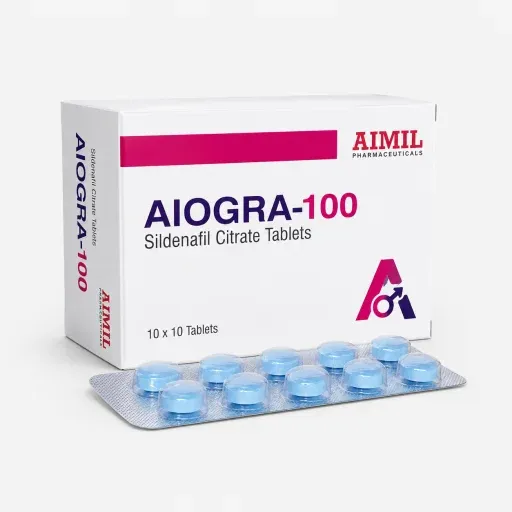
Aiogra 100 Mg Tablet
SildenafilRestores erectile function by blocking the enzyme that restricts blood flow to penile tissue.
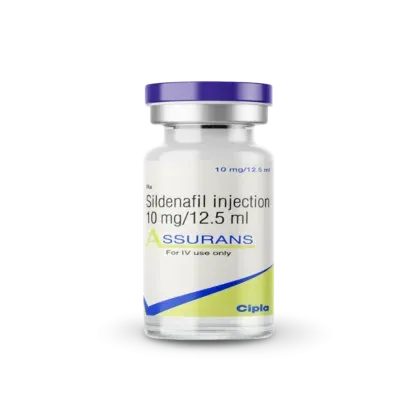
Assurans Injection
SildenafilRestores erectile function by blocking the enzyme that restricts blood flow to penile tissue.
Aurogra 100 Mg
SildenafilRestores erectile function by blocking the enzyme that restricts blood flow to penile tissue.

Bigfun Jelly 100 mg
SildenafilRestores erectile function by blocking the enzyme that restricts blood flow to the necessary penile tissue.
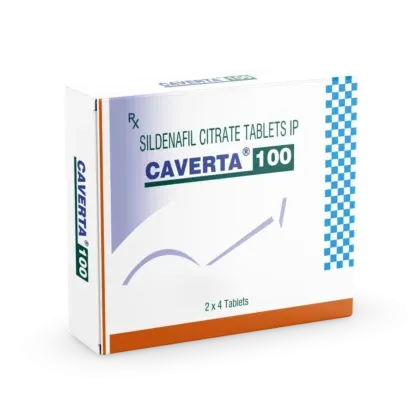
Caverta 100 mg
SildenafilRestores erectile function by blocking the enzyme that restricts blood flow to penile tissue.
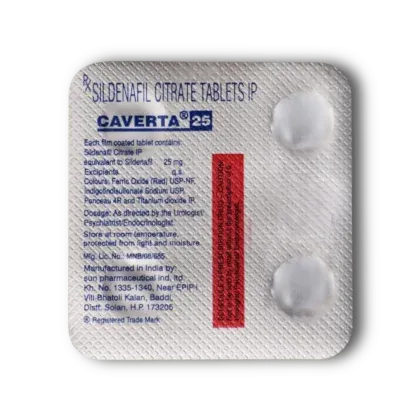
Caverta 25 Mg Tablet
SildenafilRestores erectile function by blocking the specific enzyme that restricts blood flow to penile tissue.
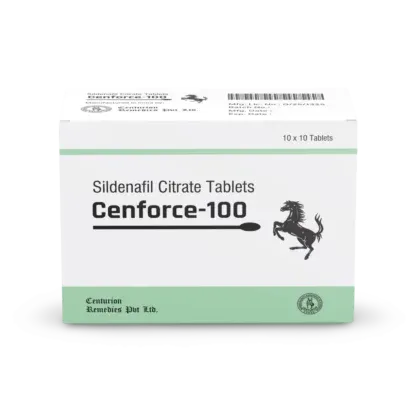
Cenforce 100 mg
SildenafilSupports erectile function by relaxing blood vessels to increase localized blood flow upon sexual stimulation.
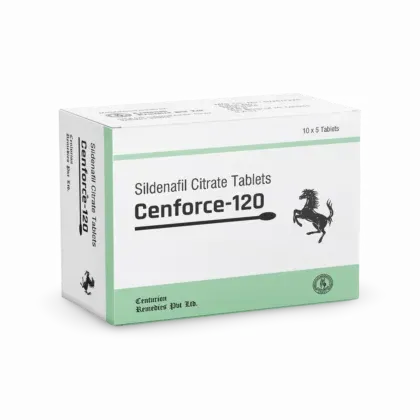
Cenforce 120 mg
SildenafilRestores erectile function by blocking the enzyme that restricts blood flow to penile tissue.
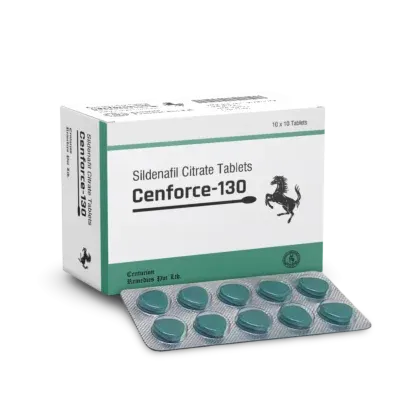
Cenforce 130 Mg
SildenafilRestores erectile function by blocking the enzyme that restricts blood flow to penile tissue.
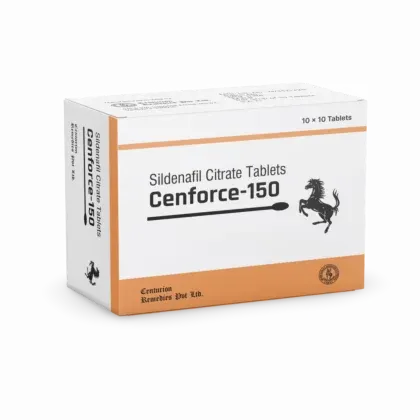
Cenforce 150 mg
SildenafilRestores your erectile function by increasing blood flow to the tissue in response to sexual stimulation.
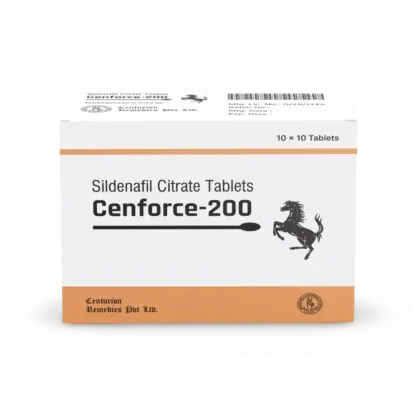
Cenforce 200 mg
SildenafilRestores erectile function by blocking the enzyme that restricts blood flow to penile tissue.
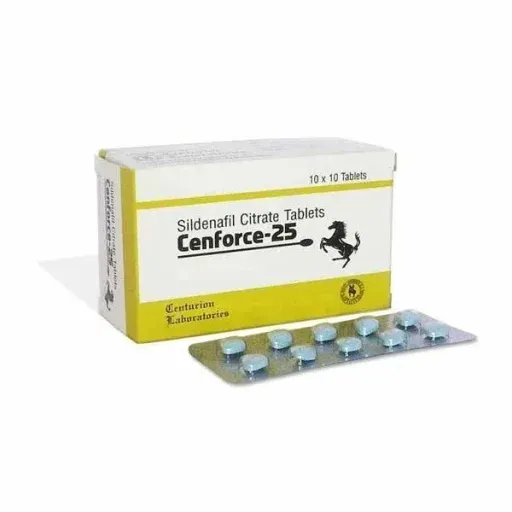
Cenforce 25 mg
SildenafilRestores erectile function by blocking the enzyme that restricts blood flow to penile tissue.
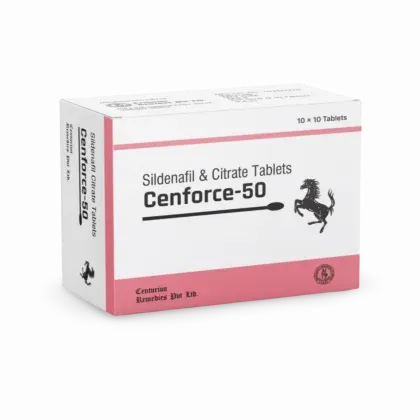
Cenforce 50 mg
SildenafilRestores erectile function by blocking the enzyme that restricts blood flow to penile tissue.
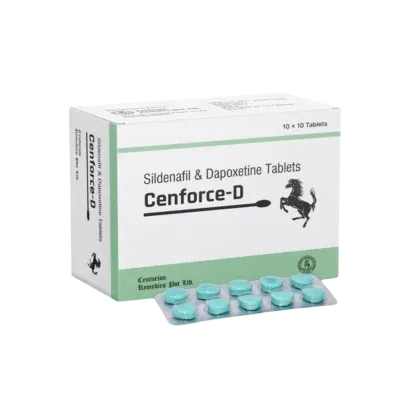
Cenforce D 100+60 mg
Sildenafil + DapoxetineSupports natural sexual function by relaxing blood vessels and adjusting chemical signals that manage the timing of climax.
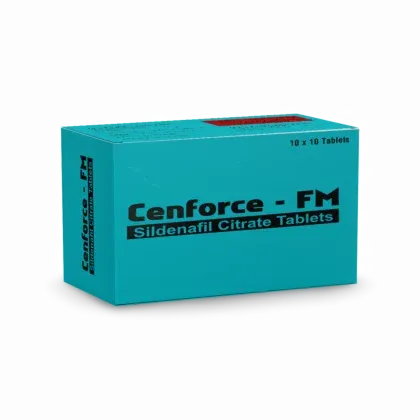
Cenforce FM 100 mg
SildenafilRestores erectile function by blocking the enzyme that restricts blood flow to sensitive penile tissue areas.
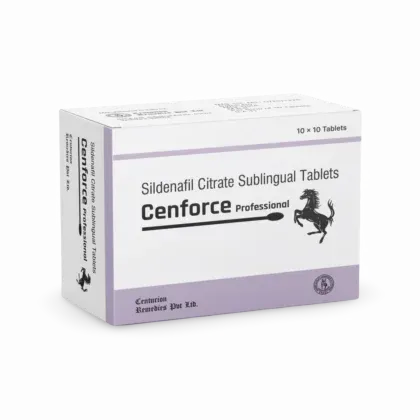
Cenforce Professional 100 mg
SildenafilRestores erectile function by blocking the enzyme that restricts blood flow to penile tissue.
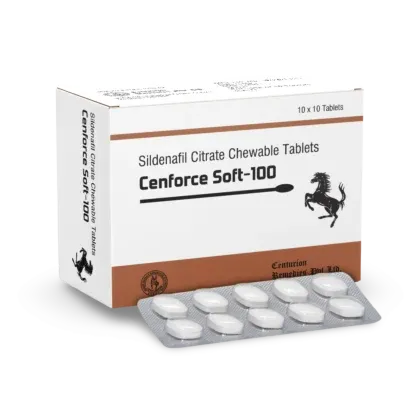
Cenforce Soft 100 mg
SildenafilRestores erectile function by blocking the enzyme that restricts blood flow to penile tissue.
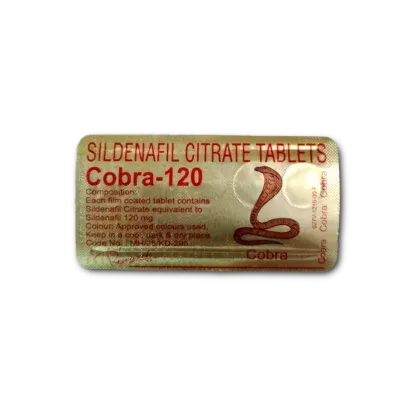
Cobra 120
SildenafilSupports erectile function by blocking the enzyme that restricts blood flow to penile tissue, allowing for natural response.
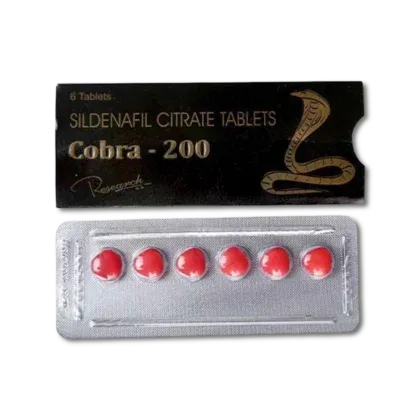
Cobra 200 Mg
SildenafilRestores sexual function by blocking the enzyme that restricts blood flow to specific areas of the body.

DA' Zeagra 50+30 mg
Sildenafil + DapoxetineDual-action formulation for men that addresses erectile performance through increased blood flow and control over ejaculation timing.
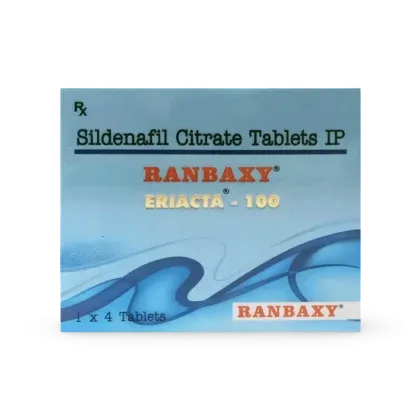
Eriacta 100 mg
SildenafilRestores erectile function by temporarily blocking the enzyme that restricts healthy blood flow to your penile tissue.
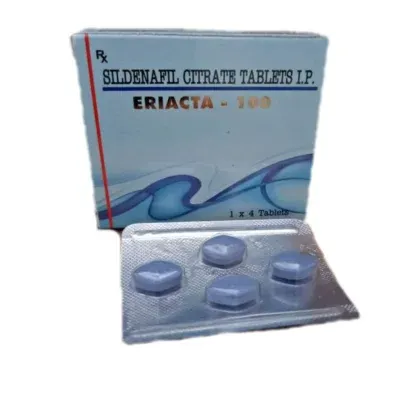
Eriacta 50 Mg Tablet
SildenafilRestores erectile function by blocking the enzyme that restricts blood flow to penile tissue and vessels.
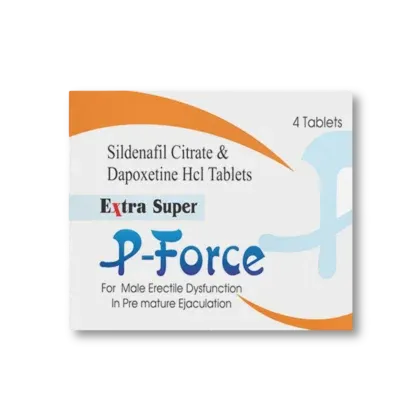
Extra Super P Force
Sildenafil + DapoxetineAddresses erectile dysfunction and premature ejaculation by combining improved blood flow with delayed nerve stimulation signal timing.
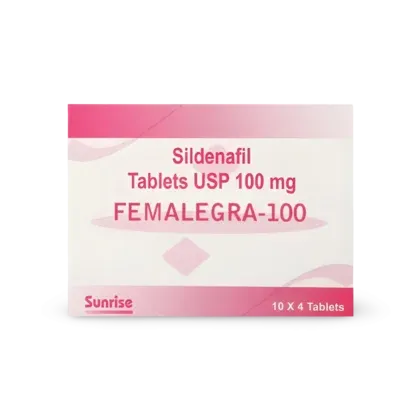
Femalegra 100 Mg
SildenafilRestores erectile function by blocking the enzyme that restricts blood flow to specific parts of the body.
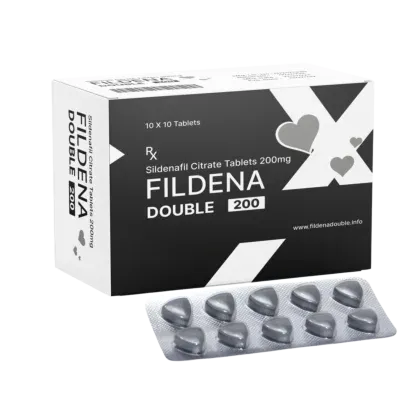
Filagra Double 200 mg
SildenafilRestores erectile function by blocking the enzyme that restricts blood flow to penile tissue.
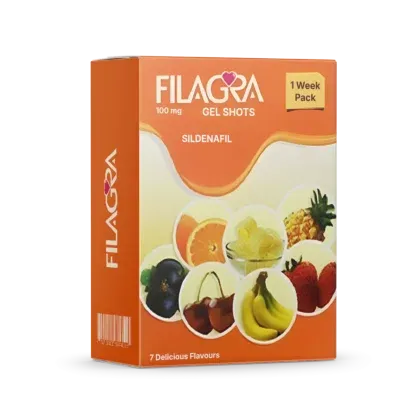
Filagra Oral Jelly 100 mg
SildenafilRestores erectile function by blocking the enzyme that restricts blood flow to penile tissue.
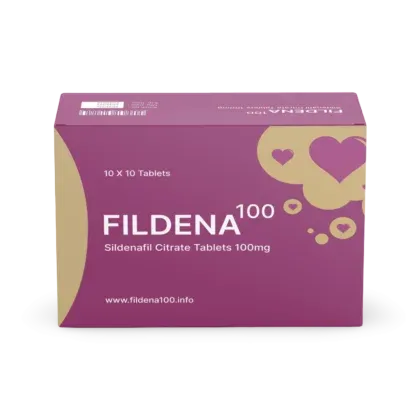
Fildena 100 mg
SildenafilRestores erectile function by blocking the specific enzyme that restricts blood flow to penile tissue.
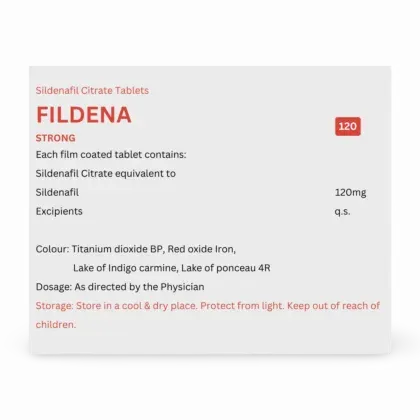
Fildena 120 mg
SildenafilRestores sexual function by blocking the enzyme that restricts healthy blood flow to penile tissue.
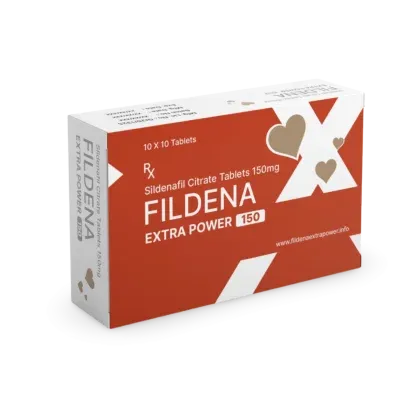
Fildena 150 mg
SildenafilRestores natural erectile function by relaxing blood vessels to increase localized blood flow upon sexual stimulation.

Fildena 25 mg
SildenafilRestores natural erectile response by increasing blood flow to the pelvic region during sexual stimulation.

Fildena 50 mg
SildenafilRestores erectile function by blocking the enzyme that restricts blood flow to penile tissue in men.
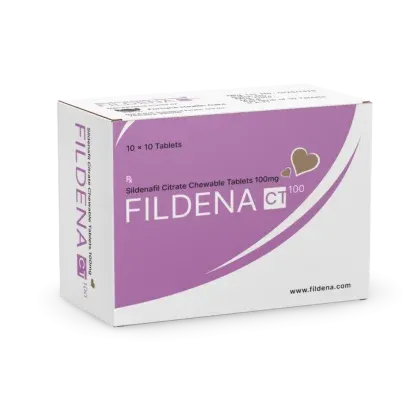
Fildena Chewable Tablet 100 mg
SildenafilRestores erectile function by blocking the enzyme that restricts blood flow to penile tissue.
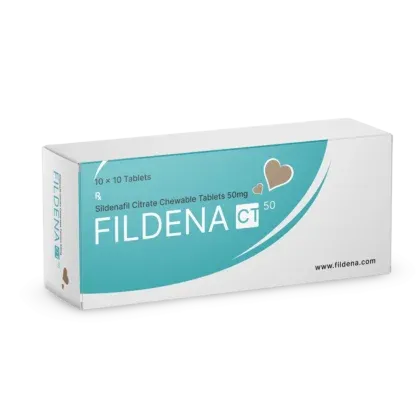
Fildena CT 50 mg
SildenafilRestores erectile function by blocking the enzyme that restricts blood flow to the penile tissues during stimulation.
Fildena Double 200 Mg
SildenafilRestores erectile function by blocking the enzyme that restricts blood flow to penile tissue.
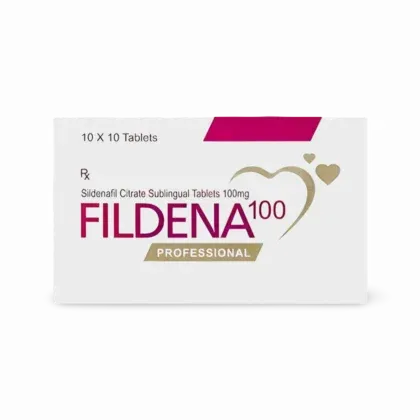
Fildena Professional 100 Mg
SildenafilRestores erectile function by blocking the enzyme that restricts blood flow to soft penile tissue.
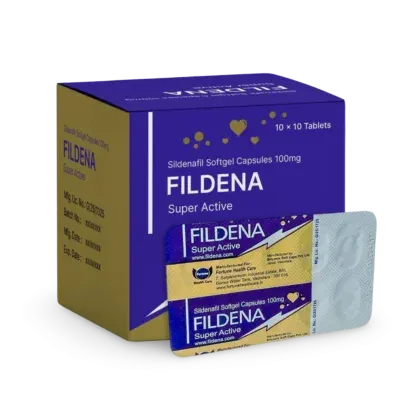
Fildena Super Active
SildenafilSupports erectile function by relaxing blood vessels to increase localized blood flow upon physical stimulation.
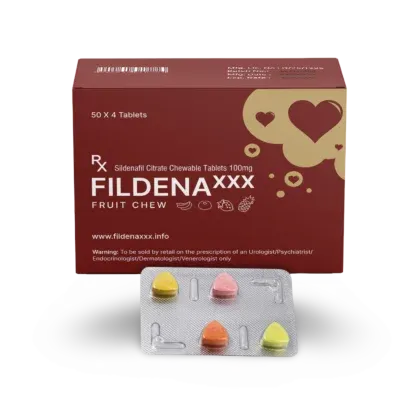
Fildena XXX 100 mg
SildenafilSupports stronger and longer-lasting erections by increasing blood flow to penile tissue when physical stimulation occurs.
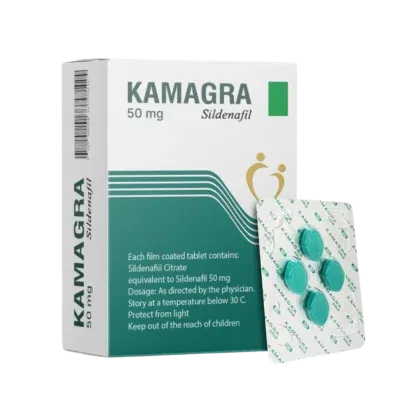
Kamagra 50 Mg Tablet
SildenafilRestores erectile function by blocking the enzyme that restricts blood flow to penile tissue.
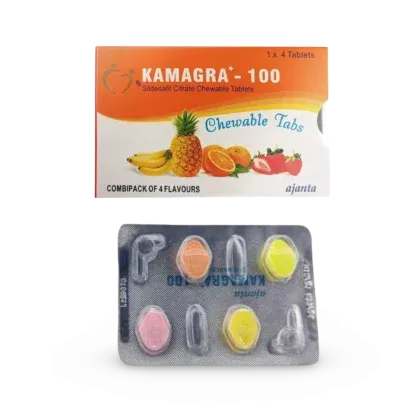
Kamagra Chewable Tablet
SildenafilRestores erectile function by blocking the enzyme that restricts blood flow to penile tissue.
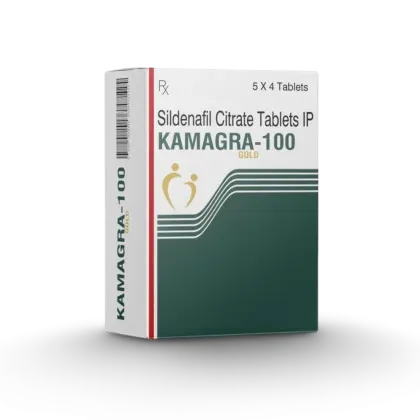
Kamagra Gold 100 Mg
SildenafilRestores erectile function by blocking the enzyme that restricts blood flow to the necessary tissue areas.
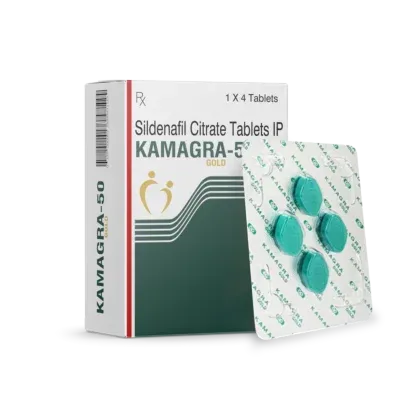
Kamagra Gold 50 Mg Tablet
SildenafilRestores sexual function by blocking the enzyme that restricts blood flow to penile tissue for improved response.
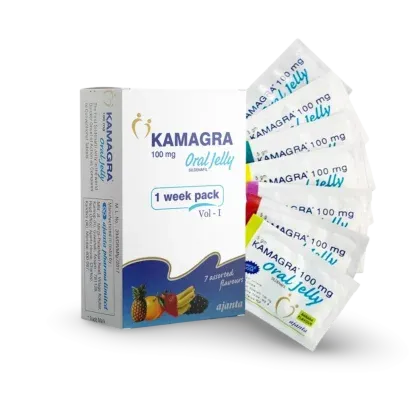
Kamagra Oral Jelly
SildenafilRestores erectile function by blocking the enzyme that restricts blood flow to penile tissue.
Kamagra Oral Jelly Rx 100 mg
SildenafilRestores erectile function by blocking the enzyme that restricts blood flow to penile tissue.

Kamagra oral jelly vol 3
SildenafilRestores erectile function by blocking the enzyme that restricts blood flow to penile tissue.
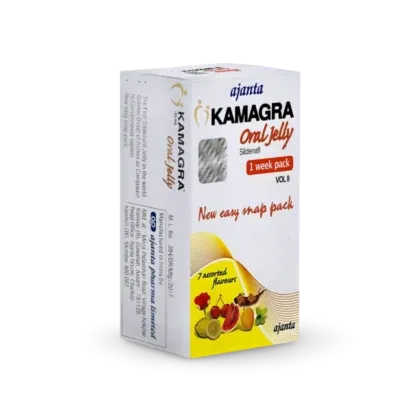
Kamagra Oral Jelly Vol-2
SildenafilRestores sexual function by blocking the enzyme that restricts blood flow to penile tissue.
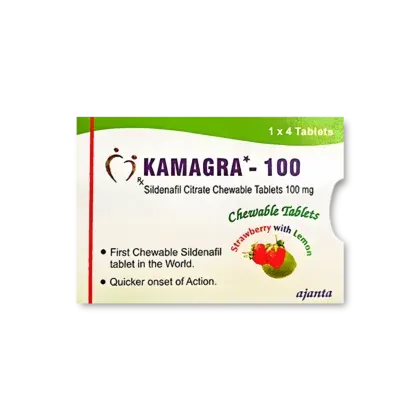
Kamagra Polo
SildenafilSupports erectile function by blocking the enzyme that restricts blood circulation to penile tissue during arousal.
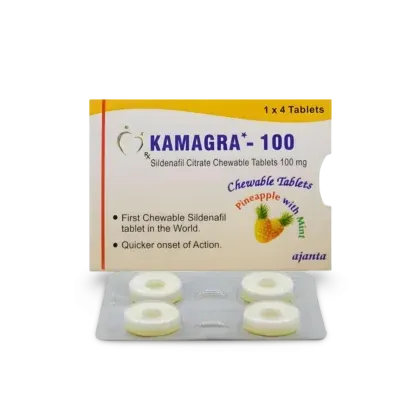
Kamagra Polo 100 Mg Tablets (Pineapple and Mint)
SildenafilRestores erectile function by blocking the enzyme that restricts blood flow to penile tissue.
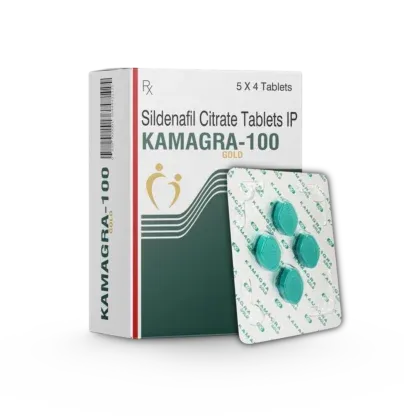
Kamagra Tab 100 mg
SildenafilRestores erectile function by blocking the specific enzyme that restricts blood flow to sensitive penile tissue.
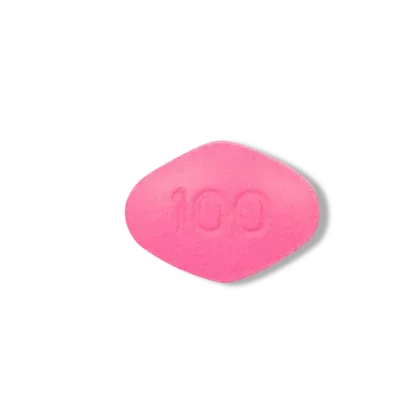
Lovegra 100 mg
SildenafilSupports blood flow to specific tissues by blocking the enzyme responsible for restricting circulation in those areas.
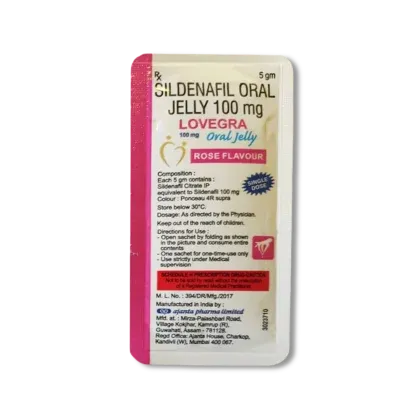
Lovegra Oral Jelly Rx 100 Mg
SildenafilRestores erectile function by blocking the enzyme that restricts blood flow to penile tissue for improved performance.
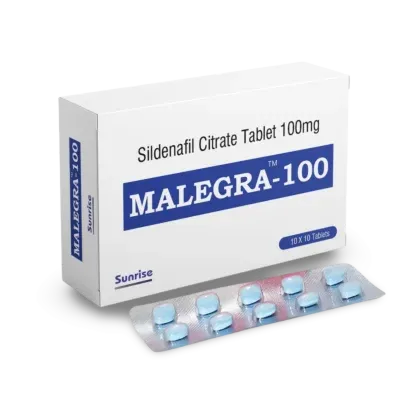
Malegra 100 mg
SildenafilRestores erectile function by blocking the enzyme that restricts blood flow within specific tissues.
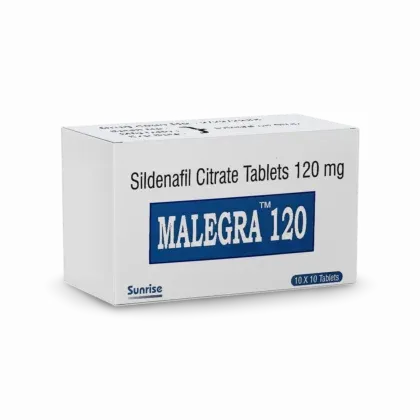
Malegra 120 mg
SildenafilRestores erectile function by blocking the enzyme that restricts blood flow to penile tissue to promote circulation.
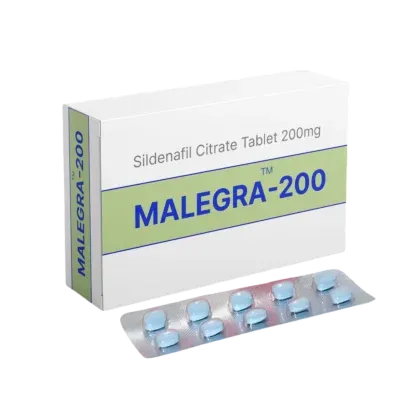
Malegra 200 mg
SildenafilRestores sexual function by blocking the enzyme that restricts blood flow to sensitive penile tissue.
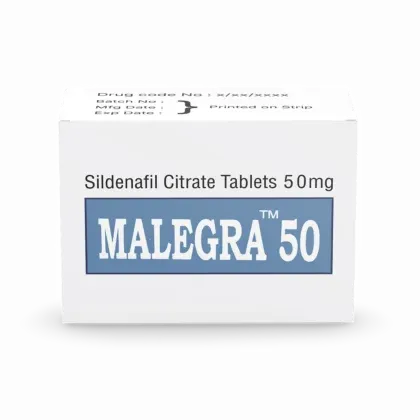
Malegra 50 mg
SildenafilRestores erectile function by blocking the enzyme that restricts blood flow to penile tissue.
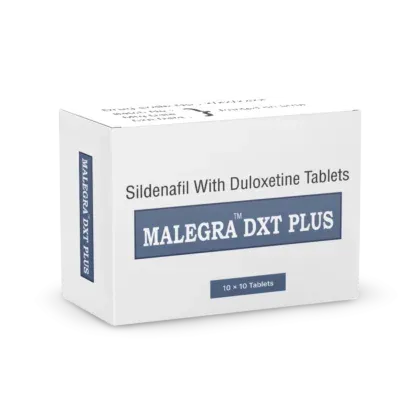
Malegra DXT Plus
Sildenafil + DapoxetineDual-action medicine that supports erectile quality and helps extend the time before ejaculation during intimate activity.
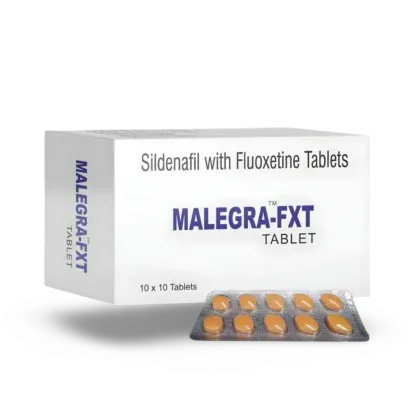
Malegra FXT
Sildenafil + DapoxetineSupports erectile function and delays ejaculation by enhancing blood flow and modulating neurotransmitter activity in the brain.
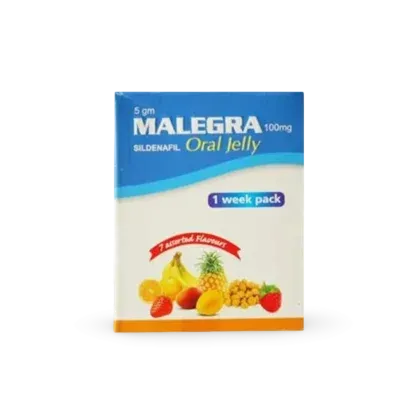
Malegra Oral Jelly
SildenafilSupports erectile function by relaxing blood vessels and improving blood flow to specific tissues when needed.
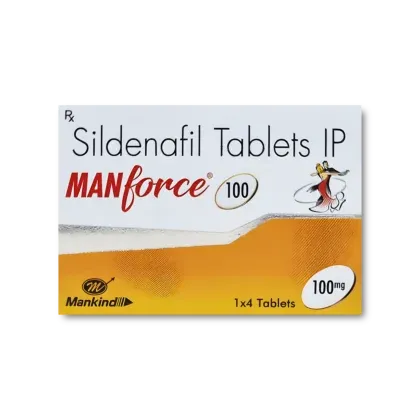
Manforce 100 Mg
SildenafilRestores erectile function by blocking the enzyme that restricts blood flow to soft penile tissue.
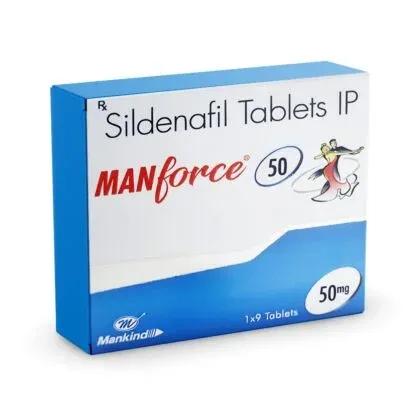
Manforce 50 Mg
SildenafilRestores erectile function by blocking the enzyme that restricts blood flow to penile tissue.
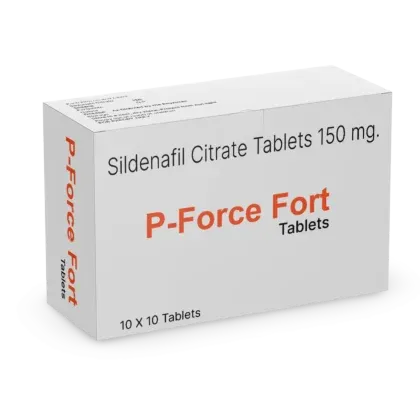
P-Force Fort 150 mg
SildenafilRestores erectile function by blocking the enzyme that restricts blood flow to penile tissue.
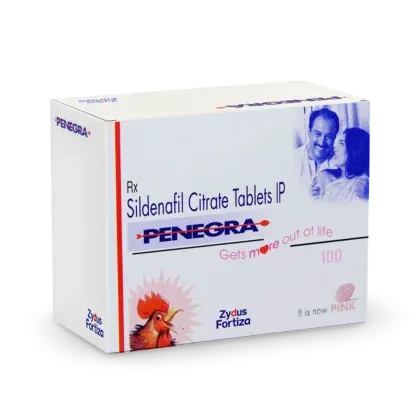
Penegra 100 Mg
SildenafilRestores natural erectile response by increasing blood flow to the body through enzyme inhibition in target tissue.
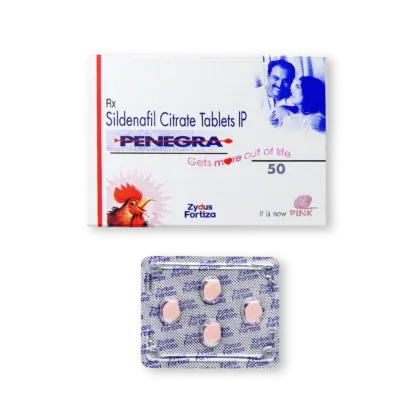
Penegra 50 Mg
SildenafilRestores erectile function by blocking the enzyme that restricts blood flow to penile tissue.

Phallus Power 110 Mg
SildenafilRestores erectile function by blocking the enzyme that restricts blood flow to penile tissue.
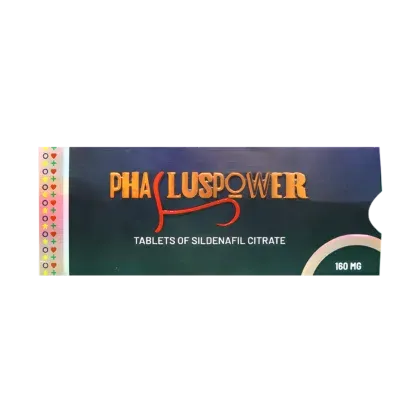
Phallus Power 160 Mg
SildenafilRestores erectile function by blocking the enzyme that restricts blood flow to penile tissue.
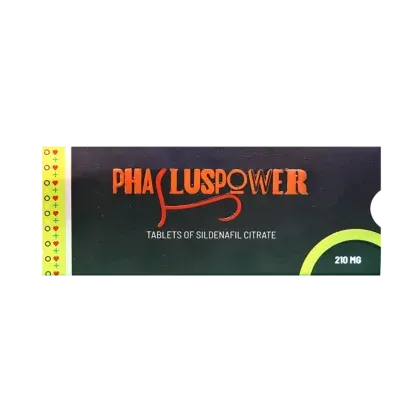
Phallus Power 210 Mg
SildenafilRestores erectile function by blocking the enzyme that restricts blood flow to penile tissue.
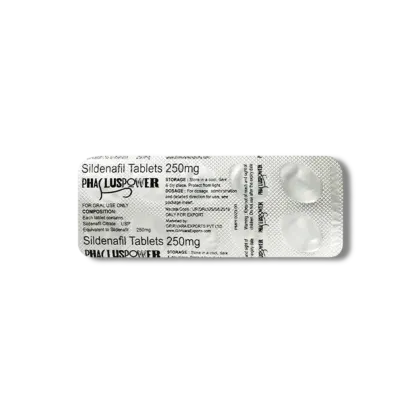
Phallus Power 250 Mg
SildenafilRestores erectile function by blocking the enzyme that restricts blood flow back out from penile tissue.
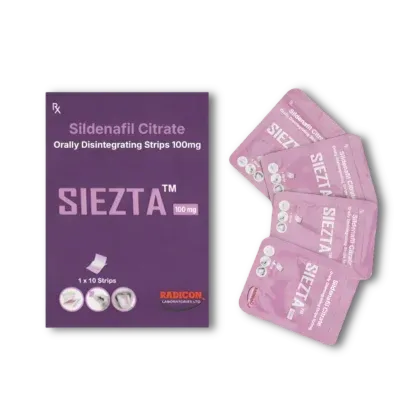
Siezta 100 Mg Sildenafil Oral Strips
SildenafilRestores natural erectile function by relaxing blood vessels to increase localized blood flow upon stimulation.
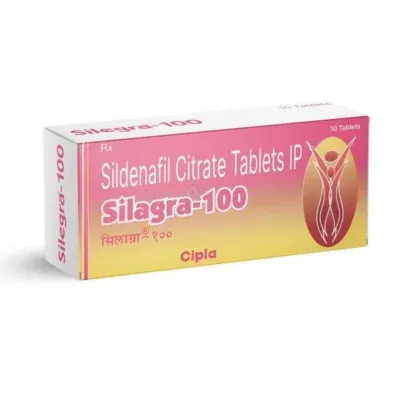
Silagra 100 mg
SildenafilRestores natural erectile response by increasing blood flow to penile tissue during moments of sexual stimulation.
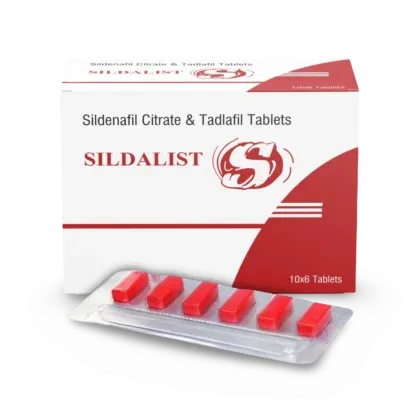
Sildalist Tablet (100+20) Mg
Sildenafil + TadalafilCombines two active compounds to address blood flow restrictions associated with erectile dysfunction and physiological challenges.
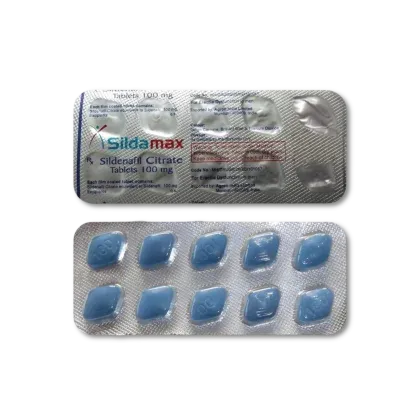
Sildamax 100 Mg
SildenafilRestores erectile function by blocking the enzyme that restricts blood flow to tissue, enabling natural physiological responses.
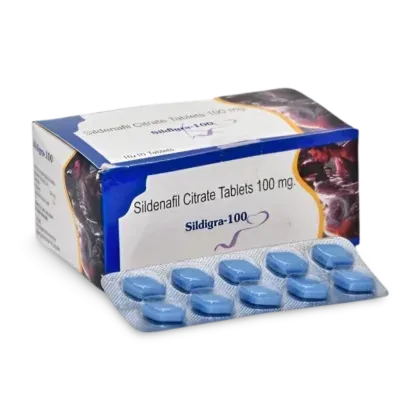
Sildigra 100 Mg Tablets
SildenafilRestores erectile function by blocking the enzyme that restricts blood flow to the required tissue areas.
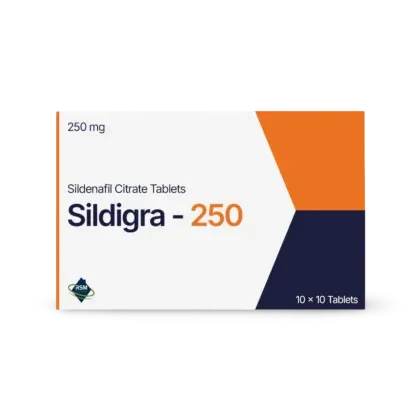
Sildigra 250 Mg
SildenafilRestores natural erectile response by blocking the enzyme that restricts blood flow into penile tissue.
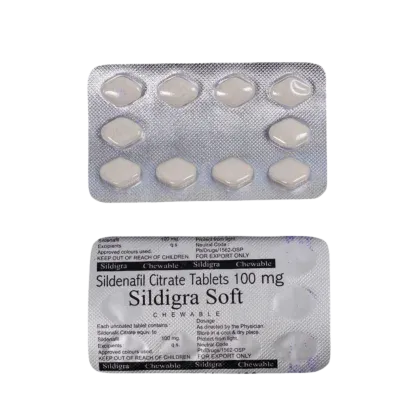
Sildigra Soft Chewable 100 Mg
SildenafilRestores erectile function by blocking the enzyme that restricts blood flow to penile tissue.
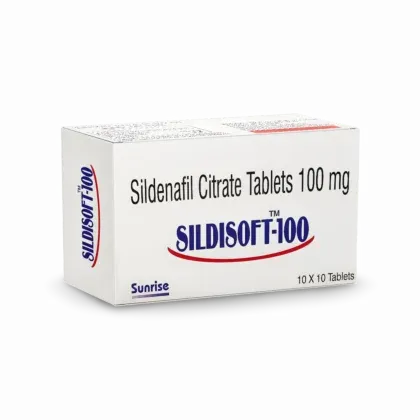
Sildisoft 100 mg
SildenafilRestores erectile function by blocking the specific enzyme that restricts blood flow to sensitive penile tissue.
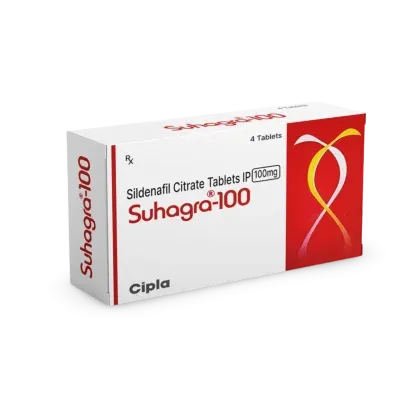
Suhagra 100 mg
SildenafilRestores erectile function by blocking the enzyme that restricts blood flow to peripheral tissues during sexual stimulation.
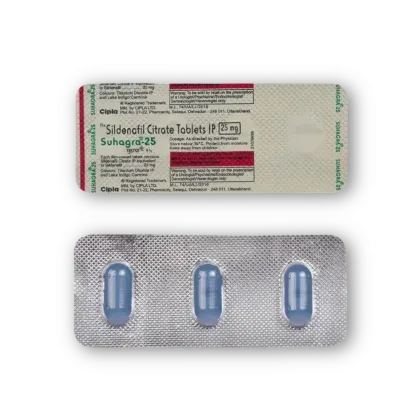
Suhagra 25 Mg
SildenafilRestores erectile function by blocking the enzyme that restricts blood flow to penile tissue.
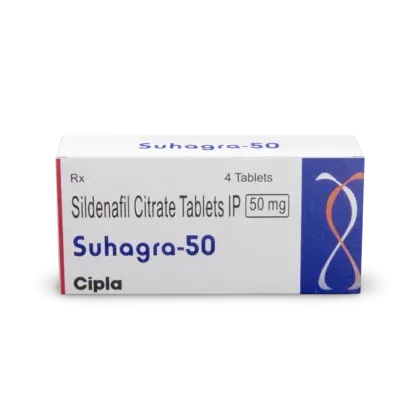
Suhagra 50 Mg
SildenafilRestores erectile function by blocking the enzyme that restricts blood flow to your penile tissue.
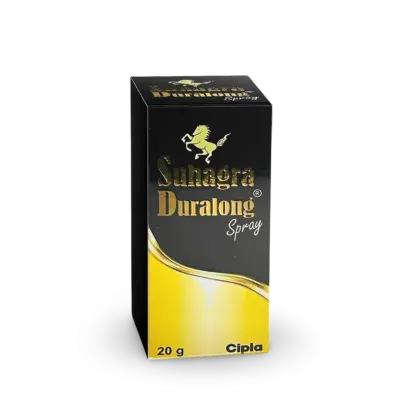
Suhagra Duralong Spray 20 mg
Sildenafil + LidocaineCombines active compounds to support erectile function while providing local numbing effects to assist with performance timing.
Suhagra Duralong Spray 5 Mg
Sildenafil + LidocaineSupports sexual performance by enhancing blood flow and providing surface sensitivity control for improved timing and stamina.
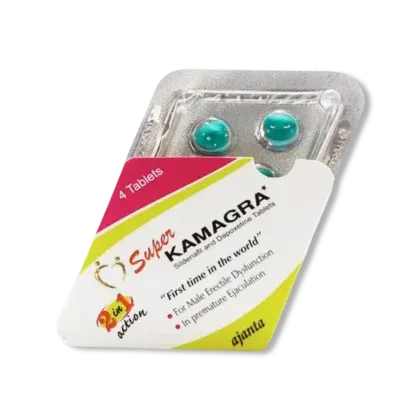
Super Kamagra
Sildenafil + DapoxetineDual-action formulation combining agents to support blood flow for erectile function and manage ejaculation timing.
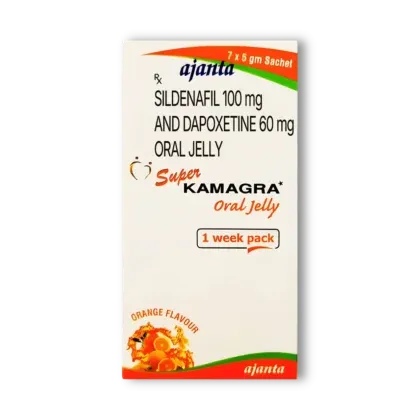
Super Kamagra Oral Jelly Rx 100+60 Mg
Sildenafil + DapoxetineDual-action formulation combining agents that regulate vascular response and serotonin levels to support sexual performance endpoints.
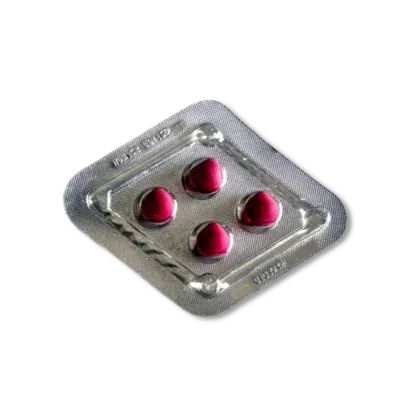
Super Lovegra
Sildenafil + DapoxetineSupports sexual function by enhancing blood flow and delaying sensitivity through a dual-action active compound approach.
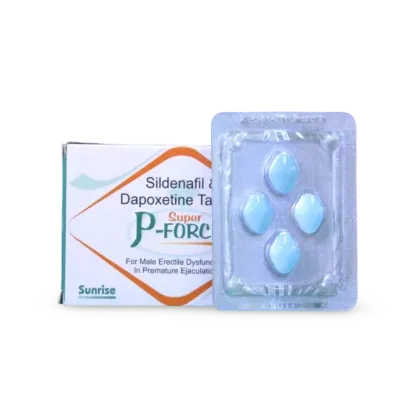
Super P-Force 100 mg
Sildenafil + DapoxetineDual-action compound that restores blood flow while increasing control over the timing of ejaculation during sexual activity.
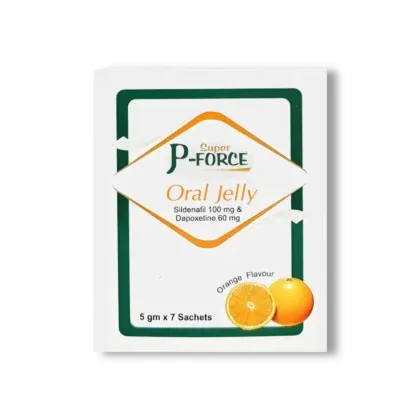
Super P-Force Oral Jelly
Sildenafil + DapoxetineDual-action compound that restores erectile function while extending control during sexual activity by regulating serotonin levels.
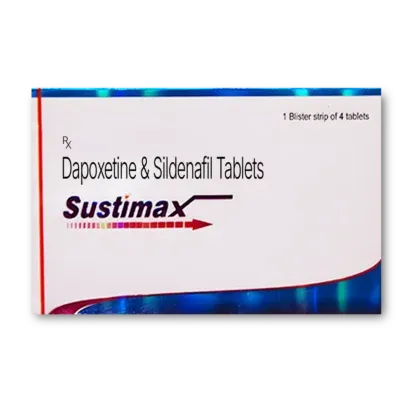
Sustimax 30+50 mg
Sildenafil + DapoxetineDual-action combination that enhances blood flow for erectile function while delaying ejaculation to extend sexual activity.
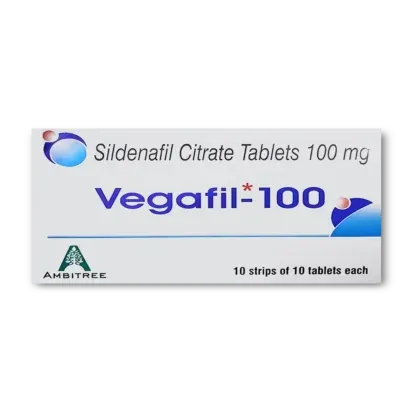
Vegafil 100 mg
SildenafilRestores erectile function by blocking the enzyme that restricts blood flow to penile tissue.
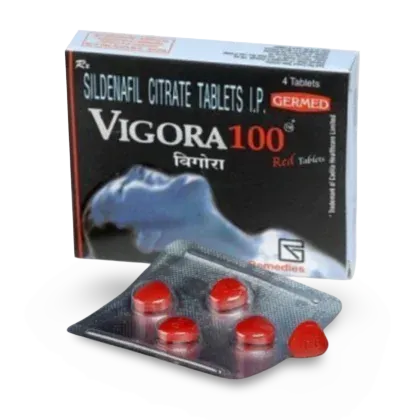
Vigora 100 mg
SildenafilRestores erectile function by blocking the enzyme that restricts blood flow to specific areas of the body.
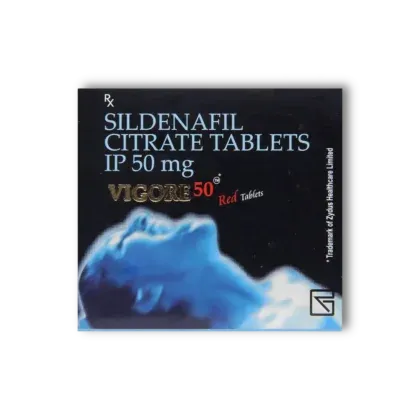
Vigora 50 Mg
SildenafilRestores erectile function by blocking the enzyme that restricts blood flow to penile tissue.

Vigora Oral Jelly 100 mg
SildenafilRestores erectile function by blocking the enzyme that restricts blood flow to the necessary tissue.
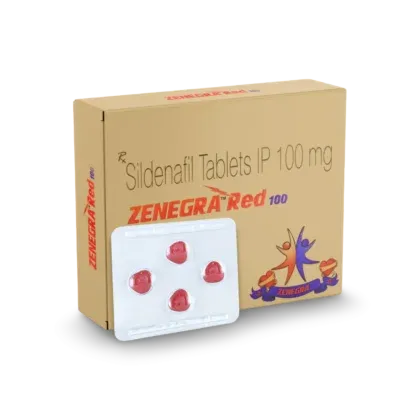
Zenegra Red 100 mg Tablet
SildenafilRestores erectile function by blocking the enzyme that restricts blood flow to penile tissue for improved performance.
What Is Pulmonary Arterial Hypertension?
Pulmonary arterial hypertension is a serious condition characterized by elevated blood pressure in the arteries that travel from your heart to your lungs. Unlike systemic high blood pressure, this condition specifically stresses the right side of the heart, which must work harder to pump blood through the narrowed, thickened pulmonary vessels.
Many people find that breathlessness, fatigue, and chest pain become more pronounced during even light physical exertion. Because this condition impacts how well your body oxygenates blood, it requires consistent monitoring. Understanding that this is a complex vascular issue is the first step toward managing your health status alongside a qualified medical specialist.
How Is Pulmonary Arterial Hypertension Treated?
Treatment for this condition centers on vasodilators, which work to relax and widen the constricted blood vessels in the lungs. By reducing the pressure against which the heart must pump, these medications help improve functional capacity and overall circulation. Across global markets, these treatments are strictly regulated and typically require professional oversight.
Physician-led care determines which class of medication is appropriate based on your specific health profile and hemodynamic markers. Common pharmacological approaches involve phosphodiesterase-5 (PDE5) inhibitors, which prevent the breakdown of naturally occurring chemicals that signal blood vessels to dilate. In some cases, clinicians may also consider combination products that address secondary symptoms or related circulatory concerns.
Types of Pulmonary Arterial Hypertension Medications
Medical interventions for this condition primarily fall into the category of PDE5 inhibitors. These products focus on the pulmonary vascular bed to reduce resistance, allowing for improved blood flow. While they share a common mechanism, their delivery forms can vary significantly based on individual tolerance.
Oral PDE5 Inhibitor Formulations
Oral tablets remain a standard way to manage vascular resistance. These medications provide a consistent method for maintaining therapeutic levels of the active ingredient, such as sildenafil. Patients often coordinate with their provider to find a strength that manages pulmonary pressure while minimizing the strain on systemic blood pressure.
Specialized Delivery Formats
Beyond traditional tablets, certain formulations include oral jellies, chewables, and quick-dissolving strips. These alternatives are designed for cases where swallowing a solid tablet is difficult or where a faster onset of action is sought. These forms do not change the underlying mechanism of the medication but provide flexibility in how the treatment is integrated into a daily routine.
Combination Therapies
Some formulations merge a primary pulmonary vasodilator with a secondary agent. This approach is intended to manage multiple aspects of cardiovascular or physiological function simultaneously. Because these products contain two active pharmacological agents, they require particularly careful cardiovascular screening before initiation.
Finding Pulmonary Arterial Hypertension Medications Online
Patients across a range of international markets search for these medications through online pharmacy directories and health platforms before speaking with a local provider. Consider these behaviors when researching options for your specific care plan:
- Comparing the different available forms, such as oral jellies versus standard tablets, to determine which fits your lifestyle and medical constraints.
- Evaluating generic equivalents to brand-name PDE5 inhibitors to facilitate informed discussions about cost-effective options with your physician.
- Reviewing combination therapies to understand how dual-action products might impact your existing cardiac health profile.
- Checking the availability of various strengths to ensure alignment with the specific dosage recommended in your current care plan.
Safety Considerations for Pulmonary Arterial Hypertension Medications
Before starting treatment
This condition involves the heart and lungs, meaning that your baseline cardiovascular function must be thoroughly evaluated by a specialist. Do not initiate any vascular medication without an updated physical assessment and a review of your current cardiac history. These medications are not suitable for patients with certain types of heart disease or those taking nitrate-based heart medications.
Reactions and tolerability
Managing pulmonary pressure can sometimes result in systemic drops in blood pressure, leading to dizziness or lightheadedness. Because these medications effect how your blood vessels dilate throughout the body, careful monitoring of heart rate and pressure trends is necessary. Adjusting to a new medication often requires a period of observation for any sudden changes in physical well-being.
Interactions and health factors
PDE5 inhibitors can interact negatively with several common medicines, particularly those affecting blood pressure and nitrate-containing heart drugs. Furthermore, your liver and kidney function play a role in how your body clears these substances from your system. Product labeling and verified clinical sources remain the correct references for specific contraindications, interactions, and potential reactions.
Important Safety Information
This page provides an educational overview of pulmonary arterial hypertension and the medication categories listed. Individual products differ in active ingredient, formulation, strength, and directions. This page does not authorize self-directed selection, clinical interpretation, or unsupervised use. Readers should review individual product labeling and speak with a healthcare professional when clinical judgment is needed.