
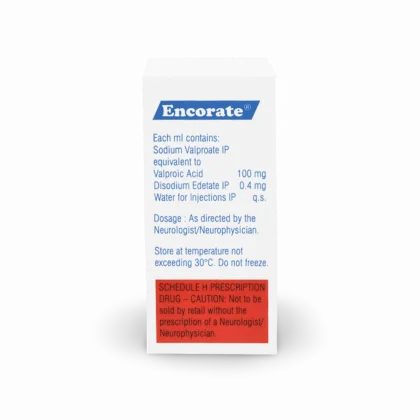
Encorate 100 Mg Injection
Regulates electrical nerve activity in the brain to stabilize mood and manage seizure thresholds effectively.
 Seizures Medications
 Living with a diagnosis of seizures can feel overwhelming, as you manage unpredictable changes in brain activity that affect your daily routines and well-being. Finding the right treatment is a personal process that requires careful coordination. Four formulations are listed below: Encorate (valproate), Levipil (levetiracetam), and Zeptol CR (carbamazepine), representing common antiepileptic drug classes.
Regulates electrical nerve activity in the brain to stabilize mood and manage seizure thresholds effectively.

Reduces the frequency of seizure events by stabilizing nerve signal activity within the brain.

Stabilizes electrical activity in the brain to reduce seizure frequency and manage nerve-related pain signals.

Stabilizes electrical activity in the brain to reduce the frequency of seizures and manage nerve-related pain.
Seizures occur when there is a sudden, uncontrolled surge of electrical activity in the brain. This activity can disrupt the normal chemical signaling between nerve cells, leading to physical or behavioral symptoms that vary significantly from person to person. Some people may experience moments of confusion or staring, while others may experience involuntary muscle movements or loss of consciousness.
Because the brain coordinates almost every bodily function, these episodes can manifest in diverse ways depending on the area of the brain involved. For many, these occurrences are chronic, requiring long-term management to stabilize brain activity. Understanding your specific pattern is the first step toward finding a stable and supportive treatment approach with your healthcare team.
Treatment focuses on balancing brain chemistry and preventing electrical surges through antiepileptic medications. These treatments work by stabilizing nerve cell membranes, slowing down the rapid firing of signals, or increasing the activity of inhibitory chemicals in the brain. The goal is to reach a therapeutic level of medication in your system that keeps the brain’s electrical environment calm.
Across global markets, these medications are strictly regulated to ensure patients receive consistent, high-quality care. Your healthcare provider will often start with a single medication, monitoring how your body responds before considering adjustments. The process of managing these episodes often involves regular blood monitoring to ensure your dosage remains effective and appropriate for your individual physiology.
Antiepileptic medications are grouped by how they interact with neurotransmitters and ion channels in the brain. Understanding these distinctions can help you better articulate your treatment goals when speaking with a professional.
This class acts on various pathways in the brain to increase the presence of inhibitory neurotransmitters. It is often used for its broad effectiveness across different types of brain activity. Because it affects multiple chemical systems, it requires regular oversight to monitor how your body processes the medication.
This medication functions differently than older agents by binding to a specific protein in the brain to modulate the release of neurotransmitters. It is frequently chosen for its distinct way of working, which may involve fewer direct interactions with other medications compared to traditional options.
This class works primarily by blocking voltage-gated sodium channels on nerve cells. By limiting the movement of sodium, it quietens the cells’ ability to fire rapidly and transmit excess electrical signals. It is primarily used to stabilize the electrical environment and prevent localized or generalized surges.
It is essential to share your full medical history with a provider, as brain-stabilizing treatments can interact with other health factors. Discuss any history of liver or kidney health concerns, as these organs are vital for processing these medications. Providing a complete list of all current supplements and medications is necessary to identify potential conflicts.
Changes in brain-altering medication can sometimes cause shifts in mood, energy, or physical comfort as your system adjusts. Your body requires time to reach a steady state, and minor side effects are often monitored closely during the first few weeks. Never alter your frequency or dosage without direct instruction from your doctor, as this can affect the stability of your brain’s electrical activity.
Alcohol and certain other substances can interfere with the function of antiepileptic medications, potentially increasing or decreasing their effectiveness. Certain medications may also impact hormone levels or birth control effectiveness. Product labeling and verified clinical sources remain the correct references for specific contraindications, interactions, and potential reactions.
This page provides an educational overview of seizures and the medication categories listed — not medical advice. Individual products differ in active ingredient, formulation, strength, and directions. The page does not authorize self-directed selection, clinical interpretation, or unsupervised use. Readers should review individual product labeling and speak with a healthcare professional when clinical judgment is needed.