
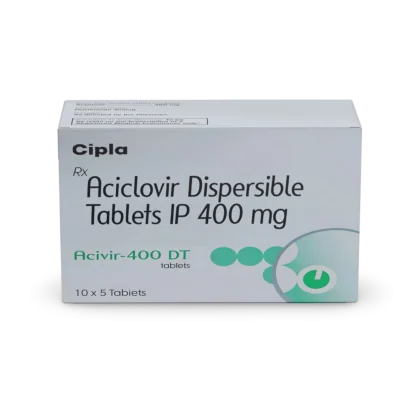
Acivir 400 mg
Targets viral DNA replication to stop the spread of infection and ease the duration of outbreaks.
 Shingles Medications
 Shingles causes significant physical discomfort, often manifesting as a blistering rash with intense nerve pain. Managing this condition requires prompt intervention to support your recovery. Eight formulations are listed below, covering primary antiviral classes including acyclovir (Acivir) and valacyclovir (Herpival, Valcivir, Zimivir) in both oral tablet and topical cream forms for targeted use.
Targets viral DNA replication to stop the spread of infection and ease the duration of outbreaks.
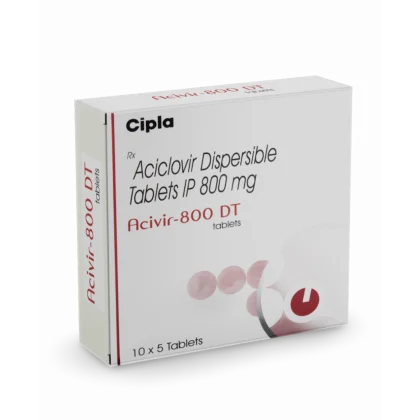
Interrupts viral replication to manage outbreaks and lower the duration of viral skin conditions effectively.
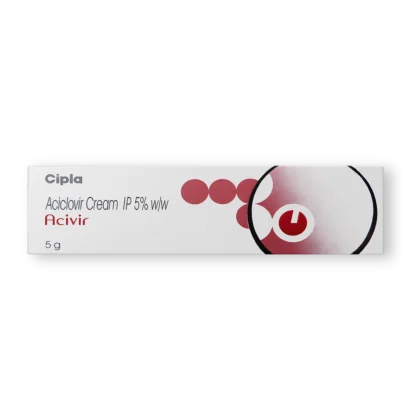
Slows viral replication to reduce the severity and duration of recurrent herpes simplex outbreaks on skin.
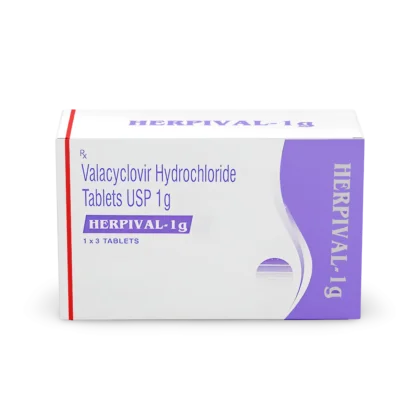
Blocks viral replication by interfering with DNA synthesis, helping to reduce the duration of viral outbreaks.
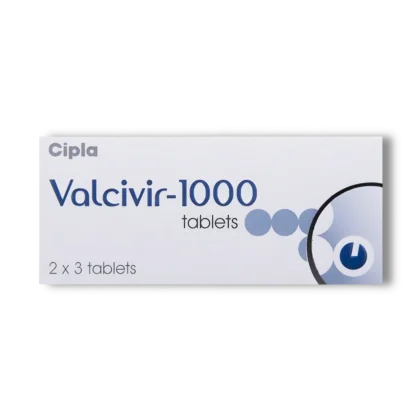
Interferes with viral DNA replication to slow the progression of common herpes virus infections.
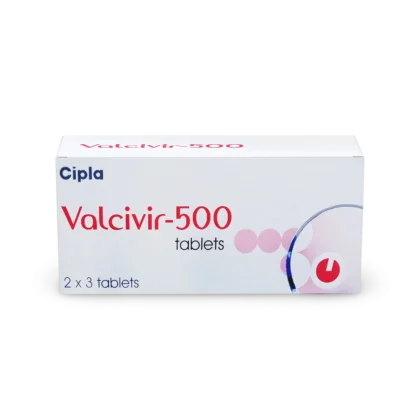
Blocks viral DNA replication to stop the spread of infection during outbreaks of cold sores or herpes.
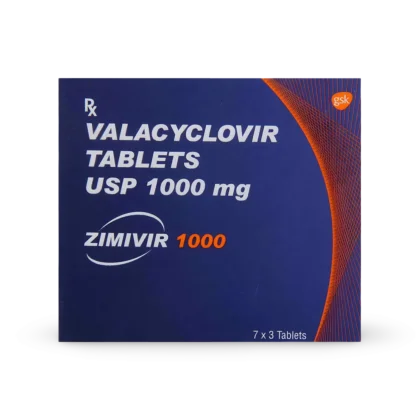
Reduces the duration of viral outbreaks by inhibiting the production of new viral DNA within infected cells.
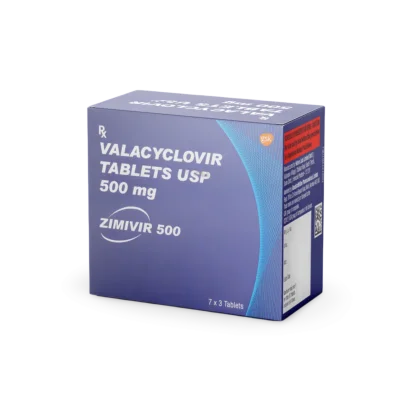
Blocks viral DNA replication to stop the spread of infection and reduce the duration of symptoms.
Shingles is a viral infection caused by the reactivation of the varicella-zoster virus, the same virus that triggers chickenpox. After your initial chickenpox infection, the virus remains inactive in your nerve tissue for years. When it reawakens, it travels along nerve pathways to the skin, resulting in a painful, blistering rash that typically follows a single line or band, most commonly on one side of the torso or face.
Living with this condition can be physically and emotionally draining due to the persistent burning, stabbing, or tingling sensations. The pain often persists even after the visible blisters have crusted over, a state sometimes referred to as post-herpetic neuralgia. While anyone who has had chickenpox can develop the condition, it appears more frequently as your immune system weakens with age or due to other underlying health factors.
Treatment for shingles focuses on limiting the duration of the viral outbreak, reducing the severity of pain, and preventing potential complications. Healthcare professionals typically provide antiviral medicines as the standard approach. These agents work by interfering with the reproduction of the virus, which can stop the infection from spreading through your nerve pathways and help heal skin lesions faster.
In addition to oral antivirals, topical formulations may be utilized to address localized skin symptoms. While oral medications work throughout your body to combat the virus internally, topical creams can provide relief at the specific site of the eruption. Access to these treatments varies across international markets, often requiring professional evaluation to determine the appropriate timing and strength for your specific situation.
Medications for shingles are generally categorized by their active ingredient and how they are administered. Understanding these differences helps in discussions with your healthcare provider about your treatment plan.
Oral medications such as acyclovir and valacyclovir are mainstays for managing the active phase of the virus. These tablets are designed to be absorbed into your system, allowing the medication to reach the nervous tissue where the virus is most active. Starting these treatments as soon as possible after the rash appears is often emphasized in clinical guidance to improve your recovery outlook.
Topical creams containing acyclovir are applied directly to the affected skin area. These are typically used to address the immediate local skin reaction and minimize further irritation. While they do not reach the virus within the nervous system as efficiently as oral tablets, they play a supportive role in managing skin-related symptoms and protecting the barrier of your skin as it heals.
Starting any antiviral treatment requires an assessment of your individual health profile. You should disclose any history of kidney function issues, as the way your body processes these medications depends significantly on renal health. Ensure your provider is aware of all other medicines you are taking, as potential interactions can influence the success of your recovery plan.
Viral treatments are generally tolerated well, though some individuals may experience gastrointestinal shifts or fatigue while taking oral forms. Topical applications may cause localized skin sensations, such as mild stinging or redness, during the initial phases of use. If you notice persistent or unexpected changes in how your body reacts to a treatment, discontinue use and seek professional guidance.
Conditions that affect your immune system may change how a provider approaches your care. Certain antiviral medications require specific adjustments if you have pre-existing health statuses that alter your internal chemistry. Product labeling and verified clinical sources remain the correct references for specific contraindications, interactions, and potential reactions.
Antiviral : A type of medicine that inhibits the ability of a virus to multiply within your body.
Post-herpetic neuralgia : Persistent nerve pain that continues in the area where the shingles rash occurred, even after the skin has healed.
Varicella-zoster virus : The specific herpesvirus responsible for both chickenpox and the subsequent development of shingles.
This page provides an educational overview of Shingles and the medication categories listed — not medical advice. Individual products differ in active ingredient, formulation, strength, and directions. The page does not authorize self-directed selection, clinical interpretation, or unsupervised use. Readers should review individual product labeling and speak with a healthcare professional when clinical judgment is needed.