
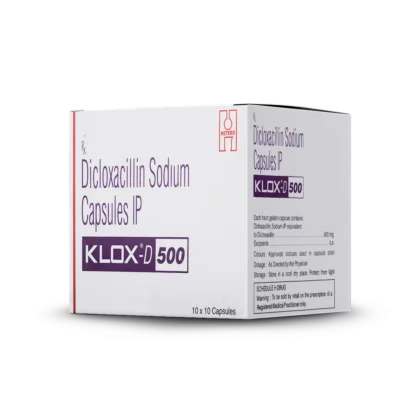
Klox D 500 mg
Targets specific bacterial cell wall structures to stop growth and manage persistent Staphylococcal infections.
 Staphylococcal Bacterial Infections Medications
 Finding out that a recurring or persistent skin issue is caused by a staphylococcal infection can be unsettling. You likely want to resolve these infections efficiently to return to your daily routine without the discomfort of pain, swelling, or redness. One formulation is listed below, utilizing antibiotic therapy to address the underlying bacterial cause.
Targets specific bacterial cell wall structures to stop growth and manage persistent Staphylococcal infections.
Staphylococcus, commonly referred to as “staph,” is a group of bacteria that can cause a wide variety of infections in humans. While these bacteria often live on your skin or in your nose without causing issues, they can trigger infections if they enter your body through a cut, scrape, or wound. These infections range from minor skin conditions like localized boils or impetigo to more serious systemic concerns.
Living with these infections often means dealing with inflammation, heat, tenderness, and sometimes pus-filled sores. Recognizing that your body is fighting a bacterial invader is a necessary step in seeking the right support. These infections do not simply fade on their own; they usually require targeted medical attention to stop the bacteria from proliferating and spreading to other tissues.
The primary approach to managing these infections involves the use of systemic or topical antibiotics. These medications function by either killing the bacteria directly or preventing their ability to multiply within your system. Because staph bacteria are robust, finishing the full course suggested by your provider is essential to ensure the infection is completely addressed and to prevent the development of antibiotic resistance.
In the global market, access to these medications typically requires a clinical diagnosis, as providers must confirm that the infection is indeed bacterial before suggesting an antibiotic. Treatment selection often depends on the site of the infection, the severity of your symptoms, and your individual health history. Across major international markets, clinicians rely on these drug classes to help the body clear the infection successfully.
Antibiotics are categorized based on their chemical structure and how they interface with bacterial cells. For staphylococcal infections, providers often look for agents that have broad or specific activity against these gram-positive organisms. Using these medications correctly involves adhering to strict schedules to maintain consistent levels of the medicine in your bloodstream.
Different antibiotics may be chosen based on whether the infection is strictly on the skin or if it has moved deeper into soft tissue. Delivery forms vary, including oral capsules or tablets for systemic coverage. These options allow for a tailored approach that fits your specific needs while keeping systemic health as a priority. Discussions with a professional regarding your specific symptoms help ensure that the chosen treatment aligns with the severity of your infection.
Always inform your healthcare provider of any known allergies to antibiotic classes, especially penicillins or related compounds. Ensure they are aware of any pre-existing kidney or liver conditions, as these organs are responsible for processing and filtering medications from your body. Providing a comprehensive list of other daily supplements or medicines is necessary to identify any risks for adverse interactions.
Antibiotics can sometimes impact your natural digestive balance, leading to temporary stomach upset or changes in your gut microbiome. If you notice persistent skin rashes, difficulty breathing, or severe digestive issues, these are indicators that you should contact a professional immediately. Tolerability varies by individual, and monitoring how your body responds during the first few days of treatment is a standard practice.
Certain foods, dairy products, or antacids may interfere with how effectively your body absorbs these antibiotics. It is vital to check the information leaflet provided with the medication to understand if timing your doses around meals is required. Product labeling and verified clinical sources remain the correct references for specific contraindications, interactions, and potential reactions.
Antibiotic : A substance used to inhibit the growth of or destroy bacteria.
Systemic : Affecting the entire body rather than just a localized area of skin.
Gram-positive : A classification of bacteria, including Staphylococcus, that retain a specific crystal violet stain during lab testing.
This page provides an educational overview of staphylococcal bacterial infections and the medication categories listed — not medical advice. Individual products differ in active ingredient, formulation, strength, and directions. The page does not authorize self-directed selection, clinical interpretation, or unsupervised use. Readers should review individual product labeling and speak with a healthcare professional when clinical judgment is needed.