
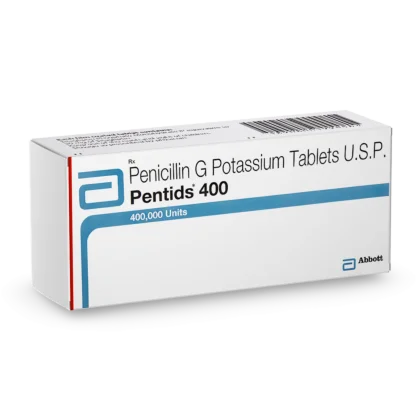
Pentids 400 mg
Targets specific bacterial cell walls to inhibit growth and manage various localized or systemic infections.
 Strep Throat Medications
 Strep throat sensitivity and pain can feel overwhelming, especially when daily routines are interrupted by persistent discomfort. Effective management centers on addressing the underlying bacterial infection to resolve symptoms and prevent further spread. One formulation is listed below, representing the antibiotic-class medications that healthcare professionals typically utilize to resolve these bacterial throat infections.
Targets specific bacterial cell walls to inhibit growth and manage various localized or systemic infections.
Strep throat is a bacterial infection of the throat and tonsils caused by Streptococcus pyogenes, also known as group A streptococcus. This condition often develops suddenly, leaving you with intense throat pain and difficulty swallowing. Unlike viral sore throats, which frequently occur alongside a cough or congestion, strep throat commonly presents with fever, swollen lymph nodes in the neck, and tiny red spots on the soft palate.
Living with the throat pain and fatigue associated with this infection makes even simple tasks feel difficult. Because the infection is bacterial, it carries a distinct risk of complications if left untreated, making timely care important. The body requires clinical intervention to neutralize the bacteria effectively rather than waiting for the immune system to resolve the infection alone.
Treatment for strep throat centers on antibiotic therapy, which acts directly against the bacteria responsible for your symptoms. By neutralizing the Streptococcus bacteria, these medications serve to reduce the risk of potential complications, such as rheumatic fever or kidney inflammation, while shortening the duration of your illness.
In various global markets, including the United Kingdom, Australia, and Canada, antibiotics for this condition are strictly regulated and require a professional clinical evaluation. Providers generally prescribe a course of treatment based on your medical history, any known drug allergies, and the severity of the clinical presentation. It is standard practice to complete the entire course of medication as prescribed, even if you begin to feel better after a few days.
The primary approach to addressing this bacterial infection involves specific classes of antibiotics, most notably penicillin-based treatments. These medications function by disrupting the formation of the bacterial cell wall, which prevents the bacteria from growing and multiplying within your throat tissues.
Understanding these categories is useful for your next provider consultation. When you speak with a physician, they will determine which specific formulation aligns with your health profile and the nature of the infection itself.
Always confirm your allergy history with a healthcare professional before beginning any antibiotic. Certain individuals may have severe reactions to specific classes of antibiotics, such as penicillins, which makes sharing your medical history essential. Never attempt to use a treatment left over from a previous infection or intended for another individual.
Mild digestive discomfort, such as nausea or changes in bowel habits, can occur as the medication acts on your system. These are common reactions for many, but persistent or severe symptoms should always be reported to a clinician. Watch for signs of a potential allergic reaction, including skin rashes, itching, or difficulty breathing, which require immediate medical attention.
Antibiotics can interact with other medications, including vitamins, supplements, or oral contraceptives. Inform your provider of every medicine you currently take to avoid potential negative effects. Product labeling and verified clinical sources remain the correct references for specific contraindications, interactions, and potential reactions.
This page provides an educational overview of Strep Throat and the medication categories listed — not medical advice. Individual products differ in active ingredient, formulation, strength, and directions. The page does not authorize self-directed selection, clinical interpretation, or unsupervised use. Readers should review individual product labeling and speak with a healthcare professional when clinical judgment is needed.