
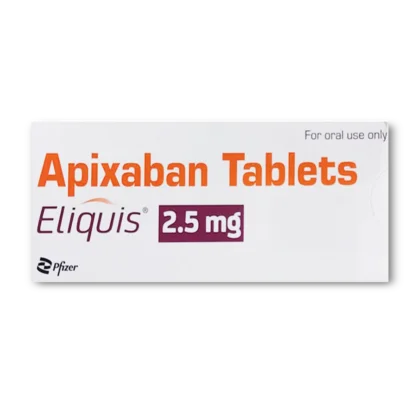
Eliquis 2.5 Mg
Reduces the risk of blood clots and stroke by blocking a specific clotting factor in your blood.
 Stroke Prevention in Atrial Fibrillation Medications
 Managing a heart rhythm condition often brings significant concern about future health, especially the risk of stroke. Understanding your options is a meaningful step toward regaining a sense of control over your well-being. Two formulations are listed below, focusing on the direct oral anticoagulant class containing the active ingredient apixaban (Eliquis).
Reduces the risk of blood clots and stroke by blocking a specific clotting factor in your blood.
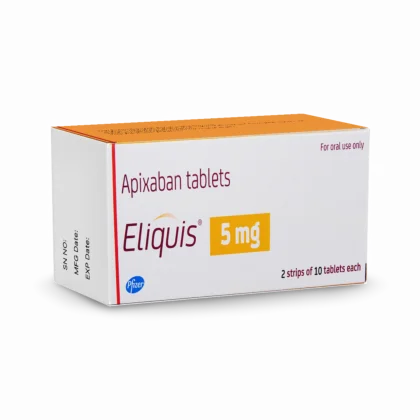
Blocks specific clotting proteins to lower the risk of unwanted blood clots forming in your body.
Atrial fibrillation is a condition where the heart’s upper chambers beat out of sync with the lower chambers. This irregular rhythm can cause blood to pool in the heart, increasing the chance of clot formation. When a clot travels to the brain, it can block blood flow, resulting in a stroke.
Living with this diagnosis requires constant attention to heart health and blood circulation. Many people with this condition feel the weight of this invisible risk, making the role of medical management particularly significant. By reducing the tendency of the blood to clot, these treatments aim to lower the likelihood of serious cardiovascular events.
The treatment landscape centers on anticoagulation, often referred to as blood thinners. These medicines work by interfering with the body’s natural clotting mechanisms. They do not dissolve existing clots; instead, they limit the ability of the blood to form new ones that could travel to the brain or other organs.
Direct oral anticoagulants represent a common class of medicines used for this purpose. Unlike older generations of blood thinners, these treatments generally require less frequent routine blood monitoring. Patients across international markets often discuss these options with their cardiologists to determine the approach that aligns with their specific medical history and stroke risk profile.
Medical providers typically select treatments based on the severity of the condition and the patient’s overall health picture. Direct oral anticoagulants are designed to provide consistent protection by targeting specific proteins involved in the coagulation cascade. This precision helps maintain a steady level of protection throughout the day.
Choosing a medication involves balancing the need for effective stroke protection with other factors, such as the potential for bleeding. Clinical discussions often cover how these medicines fit into your daily routine and what signs to watch for while on therapy. Your care team uses these details to guide the selection among available oral delivery formats.
Cardiovascular health and liver or renal function are primary considerations before beginning any anticoagulant therapy. Because these medications influence the body’s ability to clot, physicians must assess individual risks, including recent surgeries, internal bleeding history, or the physical trauma associated with certain lifestyle activities.
Blood thinners may cause an increase in the duration of bleeding following minor injuries, such as cuts or nosebleeds. Patients must monitor for unexpected bruising or prolonged bleeding symptoms. While modern oral anticoagulants are designed for predictable performance, individual physiological responses vary significantly, necessitating professional oversight.
Many substances, including other prescription drugs, herbal supplements, and even certain dietary components, can interact with anticoagulation therapy. These interactions may either decrease the protection provided by the medication or increase the risk of bleeding complications. Product labeling and verified clinical sources remain the correct references for specific contraindications, interactions, and potential reactions.
This page provides an educational overview of stroke prevention in atrial fibrillation and the medication categories listed — not medical advice. Individual products differ in active ingredient, strength, and directions. This page does not authorize self-directed selection, clinical interpretation, or unsupervised use. Readers should review individual product labeling and speak with a healthcare professional when clinical judgment is needed.