

Enlarged Prostate Medications
Living with an enlarged prostate often brings a cycle of disruptive urinary symptoms that can quietly reshape your daily rhythm. You might find yourself planning outings around bathroom access or struggling with interrupted sleep. Sixty-four formulations are listed below, including alpha-blockers like tamsulosin and doxazosin, and PDE5 inhibitors containing tadalafil, aimed at supporting urinary flow.
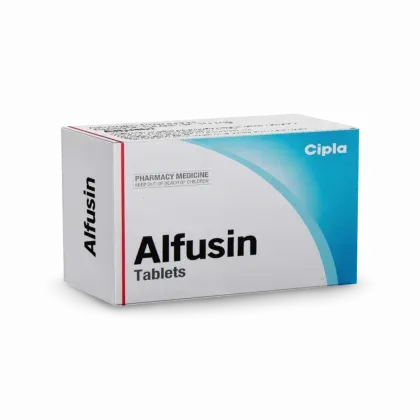
Alfusin 10 Mg
AlfuzosinRelaxes the smooth muscles in your prostate and bladder neck to improve urine flow and reduce symptoms.
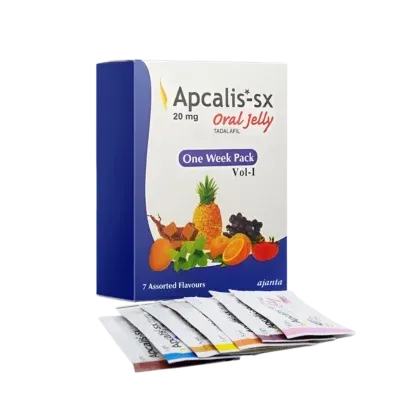
Apcalis Oral Jelly 20 Mg
TadalafilRestores sexual function by blocking the enzyme that restricts blood flow to penile tissue and relaxing prostate muscles.

Ceebis 20 Mg
TadalafilRestores erectile function by blocking the enzyme that restricts blood flow to penile tissue.

Cialis 10 Mg Tablet
TadalafilRestores erectile function by blocking the enzyme that restricts blood flow to penile tissue.
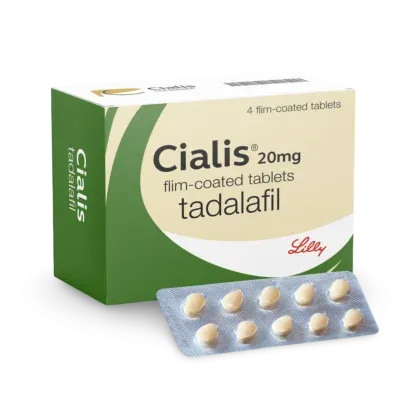
Cialis 20 mg
TadalafilRestores erectile function by blocking the enzyme that restricts blood flow to penile tissue.
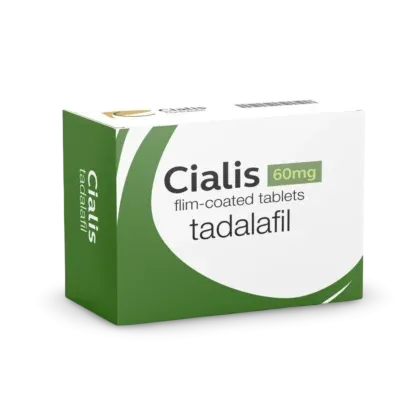
Cialis 60 mg
TadalafilRestores erectile function by blocking the enzyme that restricts blood flow to penile tissue.
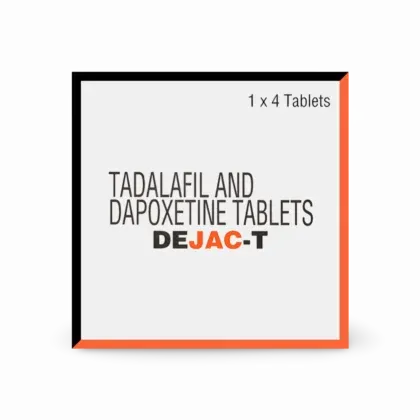
Dejac-T 10 Mg+30 Mg Tablet
Tadalafil + DapoxetineSupports sexual performance by increasing blood flow to penile tissue and delaying the ejaculation reflex.
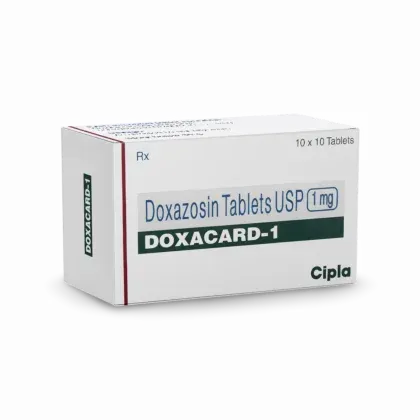
Doxacard 1 mg
DoxazosinRelaxes smooth muscle in blood vessels and the prostate to improve blood flow and urinary comfort.
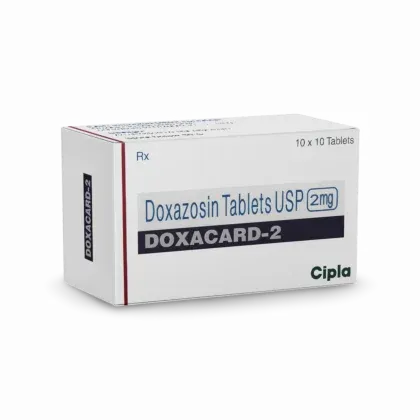
Doxacard 2 mg
DoxazosinRelaxes blood vessel walls to improve flow and eases muscle tension around the bladder to assist urination.
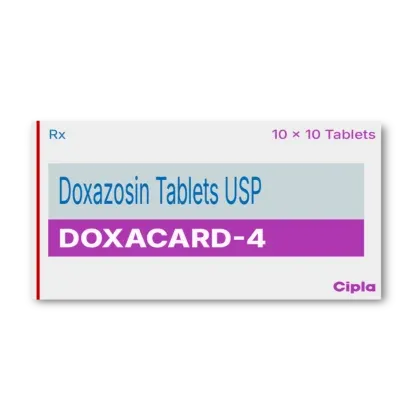
Doxacard 4 mg
DoxazosinRelaxes smooth muscle tissue in blood vessels and the prostate to improve blood flow and urinary comfort.
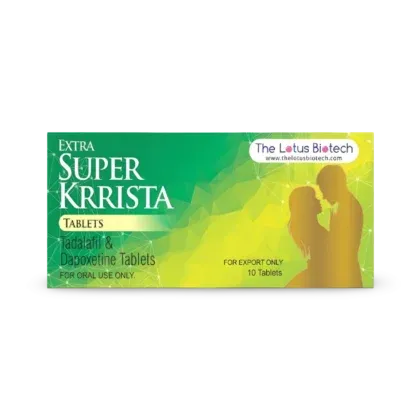
Extra Super Krrista 20+100 Mg
Tadalafil + DapoxetineAddresses erectile function and premature ejaculation by improving blood flow and delaying nerve signaling for sexual satisfaction.
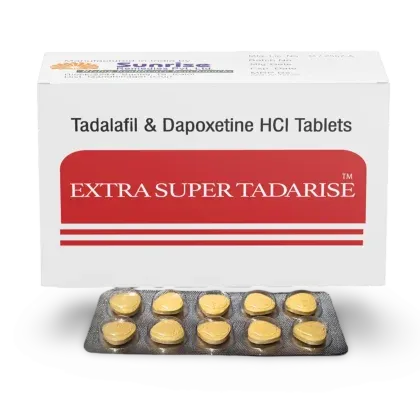
Extra Super Tadarise Tablet
Tadalafil + DapoxetineAddresses erectile function and premature ejaculation by improving blood flow and delaying nerve signaling for control.
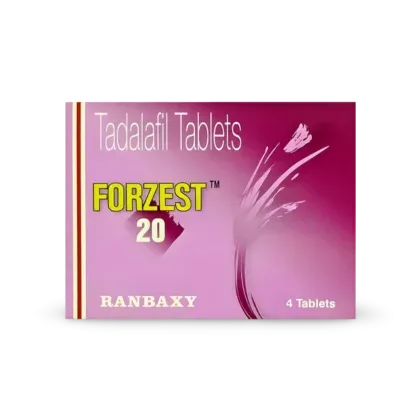
Forzest 20 Mg
TadalafilRestores erectile function by blocking the enzyme that restricts blood flow to penile tissue.
Generic Tadalafil 20 Mg
TadalafilRestores blood flow to specific tissues by blocking the enzyme that restricts normal circulation during arousal.
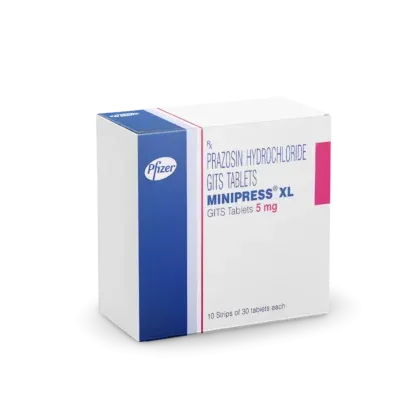
Minipress XL 5 Mg
PrazosinSelectively blocks receptors in blood vessels to encourage relaxation, lowering pressure and improving urinary flow symptoms.

Modula 5 mg
TadalafilRestores erectile function by blocking the enzyme that restricts blood flow to penile tissue.
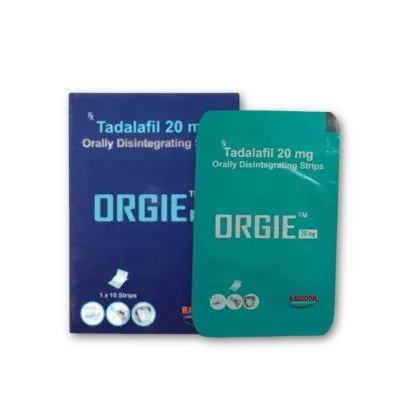
Orgie 20 Mg Tadalafil Oral Strips
TadalafilRestores erectile function by blocking the enzyme that restricts blood flow to penile tissue.
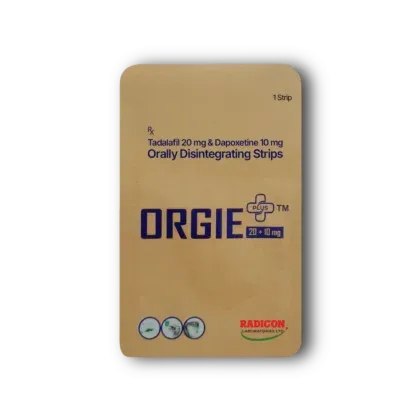
Orgie Plus Oral Strips
Tadalafil + DapoxetineAddresses erectile dysfunction and premature ejaculation by improving blood flow and delaying the physical response to stimulation.
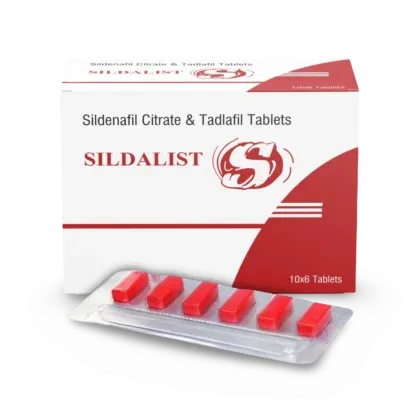
Sildalist Tablet (100+20) Mg
Sildenafil + TadalafilCombines two active compounds to address blood flow restrictions associated with erectile dysfunction and physiological challenges.

Super Krrista 40+60 Mg
Tadalafil + DapoxetineSupports blood flow to penile tissue and delays ejaculation to help you manage specific men's sexual health concerns.

Super Tadapox tablet
Tadalafil + DapoxetineAddresses erectile dysfunction and premature ejaculation by enhancing blood flow and regulating nerve signals to control timing.
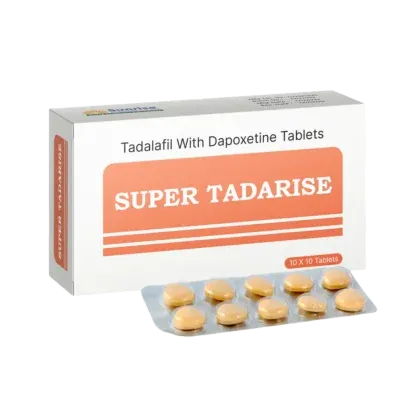
Super Tadarise 20 mg
Tadalafil + DapoxetineDual-action formulation combining agents to support erectile function and delay ejaculation for improved sexual performance control.
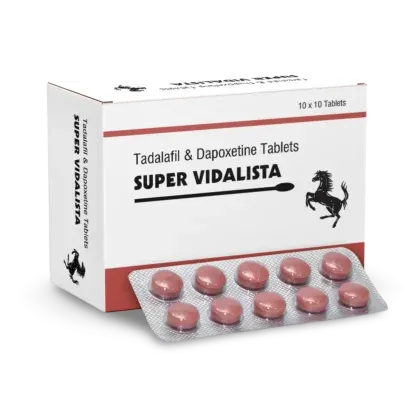
Super Vidalista
Tadalafil + DapoxetineCombines two compounds to address both blood flow requirements for erectile function and timing control for ejaculation.
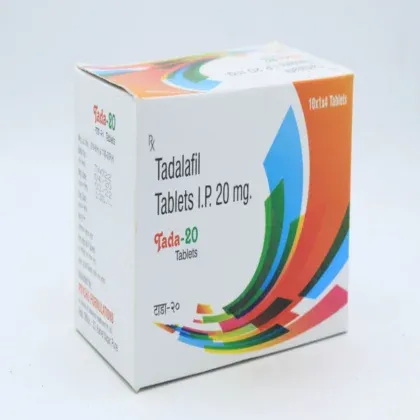
Tada 20 mg
TadalafilRestores erectile function by blocking the enzyme that restricts blood flow to penile tissue.
Tadacip 10 Mg Tablet
TadalafilRestores erectile function by blocking the enzyme that restricts blood flow to penile tissue.
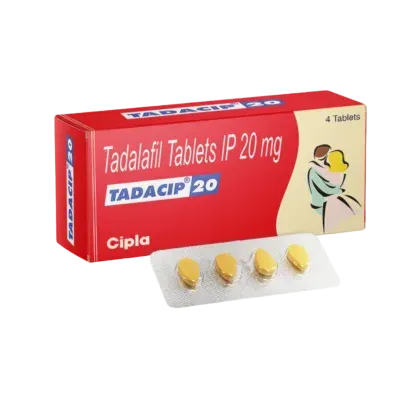
Tadacip 20 mg
TadalafilRestores erectile function by blocking the enzyme that restricts blood flow to penile tissue.
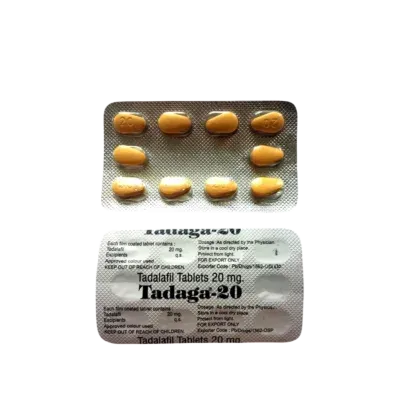
Tadaga 20 Mg
TadalafilSupports erectile function by enabling smoother blood flow to sensitive tissue during moments of physical intimacy.
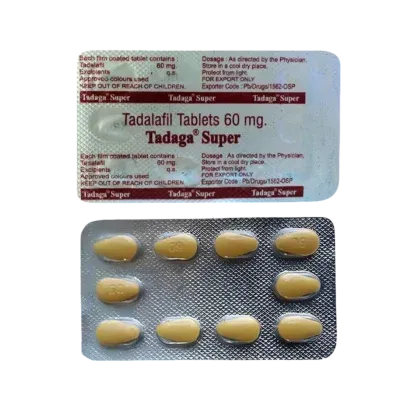
Tadaga Super 60 Mg Tablets
TadalafilRestores erectile function by blocking the enzyme that restricts blood flow to penile tissue.

Tadagra 20 mg
TadalafilRestores erectile function by blocking the enzyme that restricts blood flow to penile tissue.

Tadagra 40 mg
TadalafilSupports blood flow to specific body tissues by relaxing smooth muscles and widening blood vessels for improved physical response.
Tadagra 60 mg
TadalafilSupports erectile function by relaxing blood vessels to improve blood flow, often used for daily or as-needed dosing.

Tadalafil Black 80 mg
TadalafilRestores sexual function by blocking the enzyme that restricts blood flow to specific tissues.
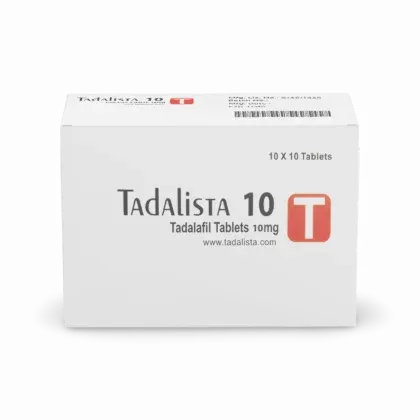
Tadalista 10 Mg
TadalafilSupports erectile function and eases prostate symptoms by increasing blood flow through enzyme regulation.
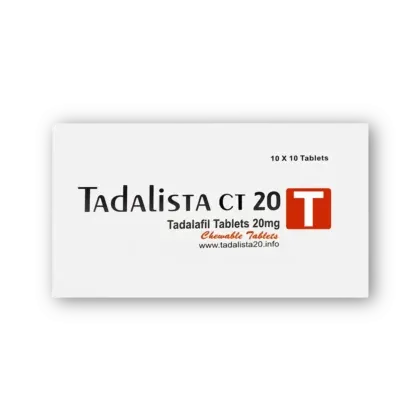
Tadalista 20 Mg
TadalafilRestores erectile function by blocking the enzyme that restricts blood flow to penile tissue.
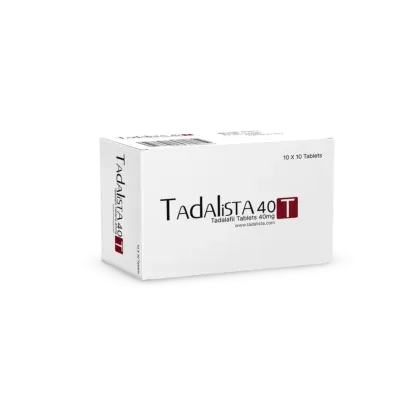
Tadalista 40 mg
TadalafilRestores erectile function by blocking the enzyme that restricts blood flow to necessary tissue.
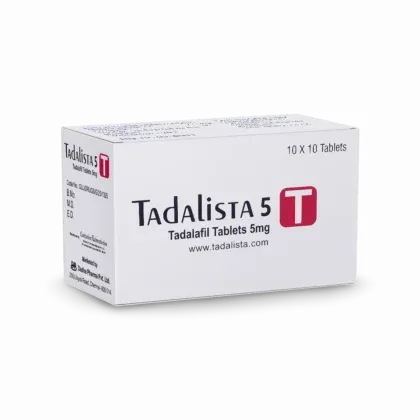
Tadalista 5 mg
TadalafilRestores erectile function by blocking the enzyme that restricts blood flow to penile tissue.
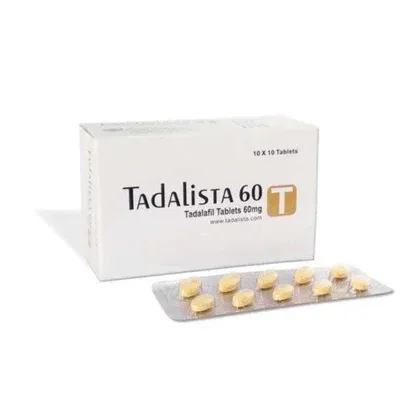
Tadalista 60 mg
TadalafilRestores erectile function by blocking the enzyme that restricts blood flow to sensitive penile tissue.
Tadalista CT 20 Mg
TadalafilRestores erectile function by blocking the enzyme that restricts blood flow to penile tissue.
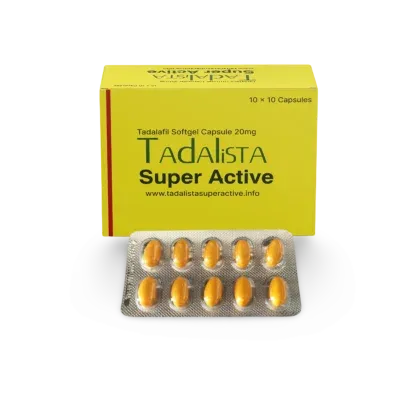
Tadalista Super Active 20 mg
TadalafilSupports erectile function by relaxing blood vessels to increase localized blood flow upon sexual stimulation.
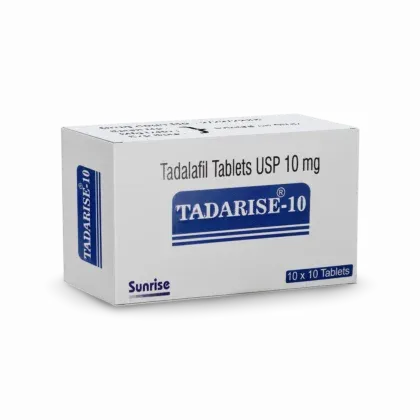
Tadarise 10 mg
TadalafilRestores erectile function by blocking the enzyme that restricts blood flow to penile tissue.
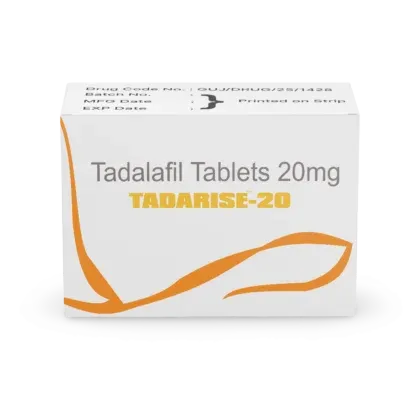
Tadarise 20 mg
TadalafilRestores erectile function by blocking the enzyme that restricts blood flow to penile and prostate tissues.
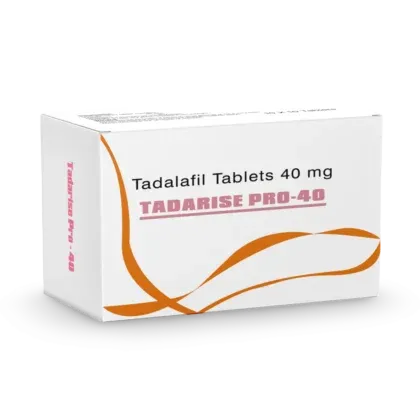
Tadarise 40 mg
TadalafilRestores erectile function by blocking the enzyme that restricts blood flow to penile tissue.
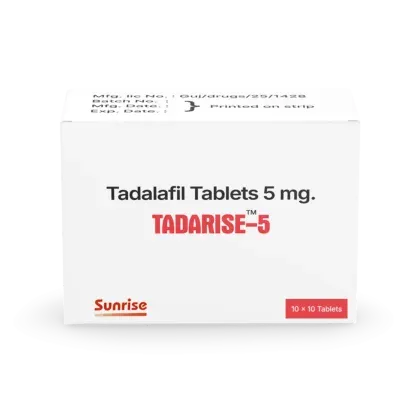
Tadarise 5 mg
TadalafilRestores erectile function by blocking the enzyme that restricts blood flow to specific tissues in the body.
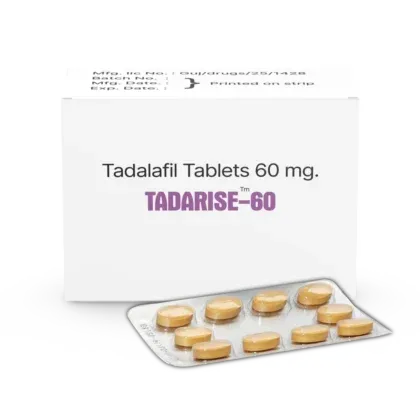
Tadarise 60 mg
TadalafilRestores erectile function by blocking the enzyme that restricts blood flow to soft penile tissue.
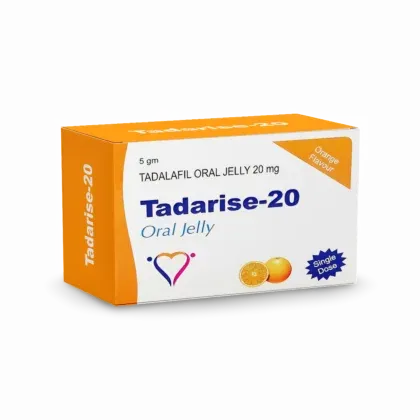
Tadarise Oral Jelly
TadalafilRestores erectile function by blocking the enzyme that restricts blood flow to penile tissue during arousal.
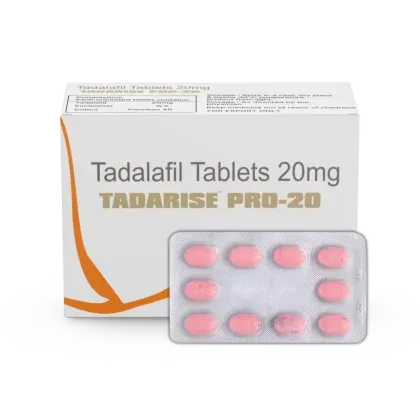
Tadarise PRO 20 mg
TadalafilRestores sexual function by blocking the enzyme that restricts blood flow to penile tissue through vasodilation.
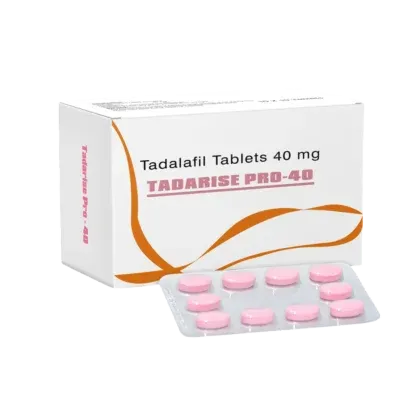
Tadarise Pro 40 mg
TadalafilSupports erectile function and eases prostate-related urinary symptoms by relaxing smooth muscles and enhancing blood flow.
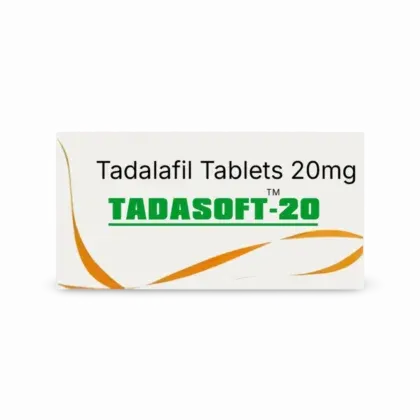
Tadasoft 20 Mg
TadalafilRestores erectile function by blocking the enzyme that restricts blood flow to penile tissue.
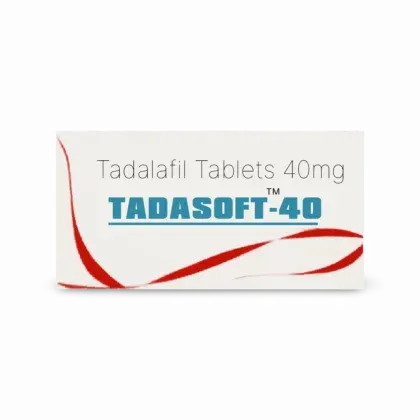
Tadasoft 40 Mg
TadalafilRestores erectile function by blocking the enzyme that restricts blood flow to soft penile tissue.
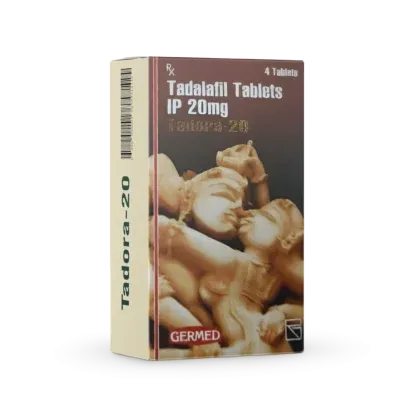
Tadora 20 mg
TadalafilRestores erectile function by blocking the enzyme that restricts blood flow to penile tissue.
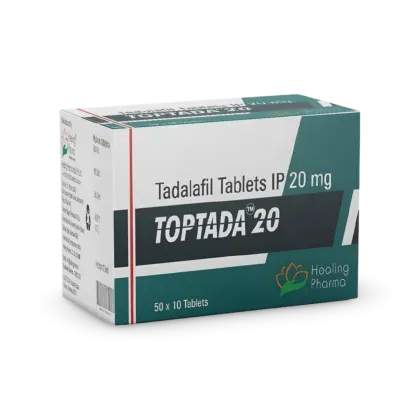
Toptada 20 Mg Tablet
TadalafilRestores erectile function by blocking the enzyme that restricts blood flow to penile tissue.
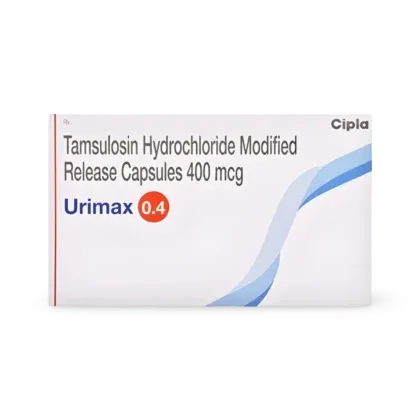
Urimax 0.4 mg
TamsulosinRelaxes smooth muscle tissue in the prostate and bladder neck to improve urinary flow and reduce discomfort.
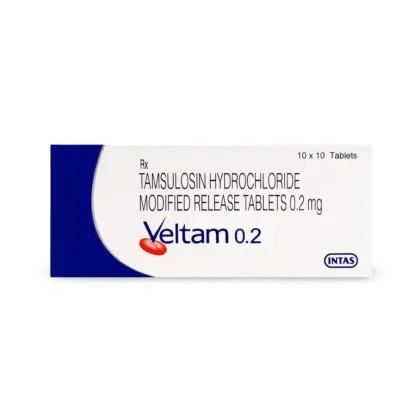
Veltam 0.2 Tablet MR
TamsulosinRelaxes the smooth muscles in the prostate and bladder neck to improve urinary flow and comfort.
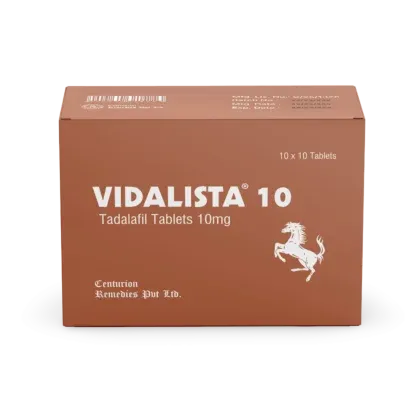
Vidalista 10 mg
TadalafilSupports erectile function by relaxing muscles and increasing blood flow to specific areas of the body.
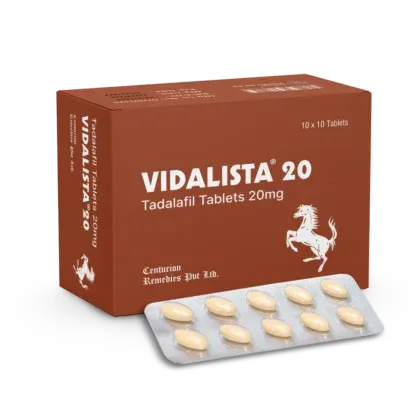
Vidalista 20 mg
TadalafilRestores erectile function by blocking the enzyme that restricts blood flow to penile tissue.
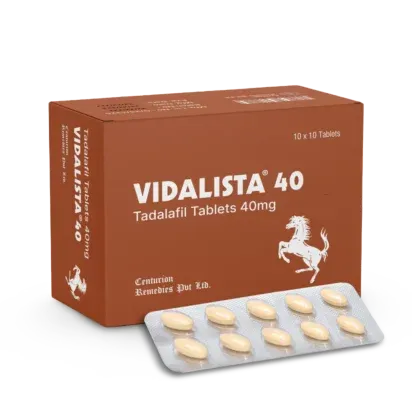
Vidalista 40 mg
TadalafilSupports erectile function by inhibiting the enzyme responsible for restricting blood flow to penile tissue.
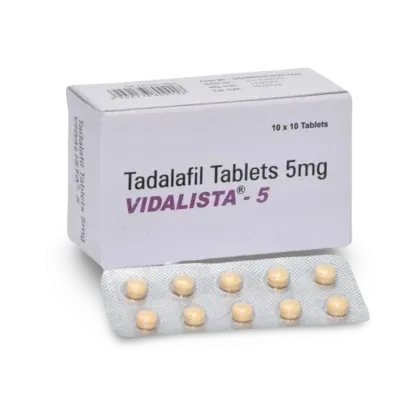
Vidalista 5 mg
TadalafilRestores erectile function by blocking the enzyme that restricts blood flow to penile tissue throughout activation.
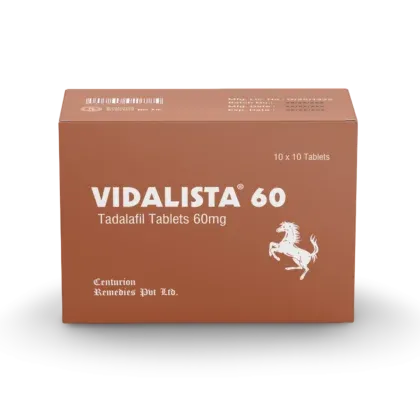
Vidalista 60 mg
TadalafilRestores erectile function by blocking the enzyme that restricts blood flow to penile tissue.
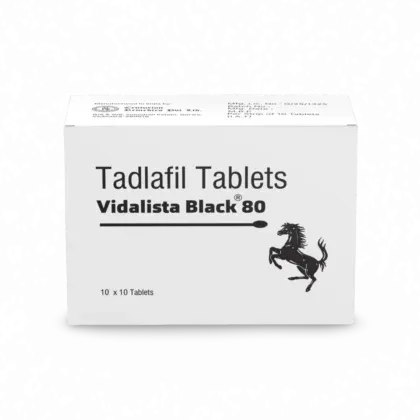
Vidalista 80 Mg
TadalafilRestores sexual function by blocking the enzyme that restricts blood flow to penile tissue.
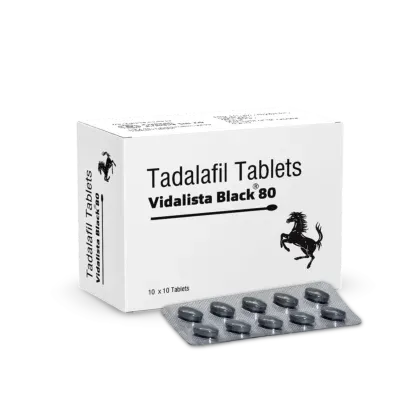
Vidalista Black 80 mg
TadalafilSupports erectile function and addresses prostate-related urinary issues by relaxing blood vessels to increase localized flow.

Vidalista CT 20 mg
TadalafilRestores erectile function by blocking the enzyme that restricts blood flow to penile tissue for improved sexual performance.
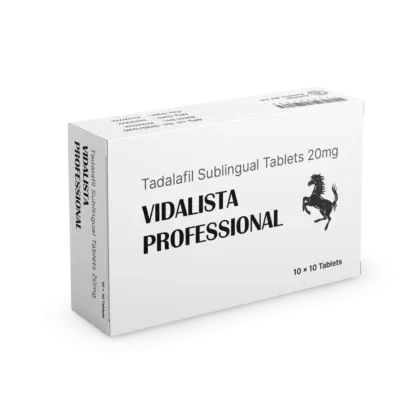
Vidalista Professional 20 mg
TadalafilRestores erectile function by blocking the enzyme that restricts blood flow to penile tissue.
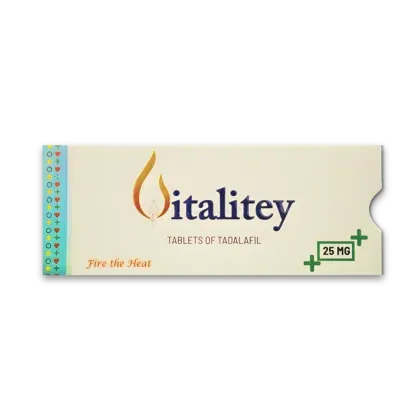
Vitalitey 25 Mg
TadalafilRestores erectile function by blocking the enzyme that restricts blood flow to specific tissues in your body.
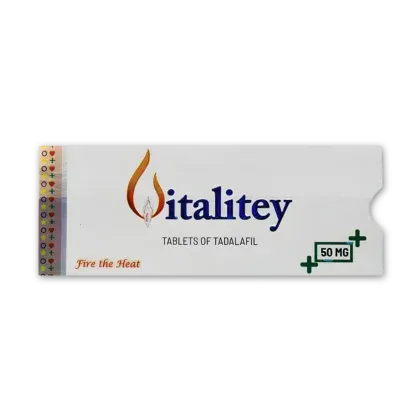
Vitalitey 50 Mg
TadalafilRestores erectile function by blocking the enzyme that restricts blood flow to penile tissue.
What Is an Enlarged Prostate?
Commonly referred to as benign prostatic hyperplasia, an enlarged prostate is a non-cancerous growth of the gland that surrounds the urethra. As men age, the prostate naturally increases in size, which can compress the tube responsible for carrying urine out of the body. This physical constriction acts like a kink in a garden hose, forcing the bladder to work harder to push fluid through with every attempt to empty.
This condition frequently manifests through a specific set of physical challenges. You may deal with a weak or sluggish stream, the feeling that your bladder never quite empties, or the persistent need to rush to the bathroom multiple times throughout the night. These symptoms are not just physical burdens; they occupy mental space and often influence your confidence during work or social gatherings. While these changes are a natural part of aging, they deserve attention when they start dictating your schedule.
How Is an Enlarged Prostate Treated?
Management approaches focus on relaxing the muscles around the prostate and bladder neck to ease the pressure on the urinary tract. Clinicians often look toward two primary drug classes to reach this goal. Alpha-blockers serve as common initial options by relaxing smooth muscles in the prostate and bladder, which quickly allows for a more fluid passage of urine.
Alternatively, PDE5 inhibitors—a class traditionally known for their role in erectile function—are also utilized for their ability to promote muscle relaxation in the lower urinary tract. In some instances, treatment involves a combination of these classes to address multiple symptoms simultaneously. Across major global markets, including the United Kingdom, the United States, and Canada, these medications generally require professional guidance and a formal assessment from a health provider to ensure they are the right fit for your specific physiology.
Types of Enlarged Prostate Medications
Navigating the various options can feel complex, given the different delivery formats and mechanisms available. Understanding how these categories differ helps you participate more effectively in conversations with your healthcare provider:
- Alpha-blockers: These medications, such as tamsulosin and doxazosin, act directly on the muscular tissue of the bladder neck and prostate. By easing this tension, they can alleviate the immediate physical obstruction, often resulting in quicker relief from urinary hesitancy.
- PDE5 Inhibitors: Agents like tadalafil work by improving blood flow and relaxing smooth muscle throughout the pelvic region. While frequently associated with different indications, when used for prostate health, they support consistent muscle relaxation in the urethra.
- Combination and Advanced Formulations: Some products incorporate varying delivery methods—such as oral strips or jellies—or pair active ingredients to address both urinary symptoms and related concerns. These formats offer alternatives for those who may prefer specific administration styles.
Finding Enlarged Prostate Medications Online
- Patients across international markets and regulated regions search for enlarged prostate medications through online pharmacy directories and health platforms before speaking with a local provider.
- Organizing search results by active ingredient class—such as separating alpha-blockers from PDE5 inhibitors—helps refine your research.
- Comparing different pill strengths allows for a clearer discussion with your doctor regarding the titration of your therapy.
- Assessing various delivery formats, such as traditional tablets versus oral strips, helps you identify options that align with your personal preferences and ease of use.
- Reviewing the full range of available strengths ensures you are prepared to discuss the most appropriate starting point with a medical professional.
Safety Considerations for Enlarged Prostate Medications
Before starting treatment for an enlarged prostate
Before beginning any medication, a thorough evaluation of your urinary system and overall health is necessary. Your provider needs to rule out other potential causes for your symptoms, such as infections or non-benign growths. Understanding your complete health history, including blood pressure patterns, is essential, as some treatments for prostate symptoms can influence systemic circulation.
Reactions and tolerability across treatment types
Medications for this condition influence muscle relaxation throughout the body, which can sometimes lead to feelings of lightheadedness or shifts in blood pressure. Some individuals may notice these sensations when shifting positions quickly, such as standing up after sitting for a long time. Monitoring how your body adapts during the first few weeks is standard practice to ensure the chosen dosage remains manageable.
Interactions and health factors
Because these medications can interact with other treatments—particularly those for blood pressure or heart-related conditions—full disclosure of your existing medication list is vital. Combining certain prostate treatments with other vasodilators or nitrate-based medications can cause unsafe drops in blood pressure. Product labeling and verified clinical sources remain the correct references for specific contraindications, interactions, and potential reactions.
Important Safety Information
This page provides an educational overview of symptoms of enlarged prostate and the medication categories listed. Individual products differ in active ingredient, formulation, strength, and directions. This page does not authorize self-directed selection, clinical interpretation, or unsupervised use. Readers should review individual product labeling and speak with a healthcare professional when clinical judgment is needed.