
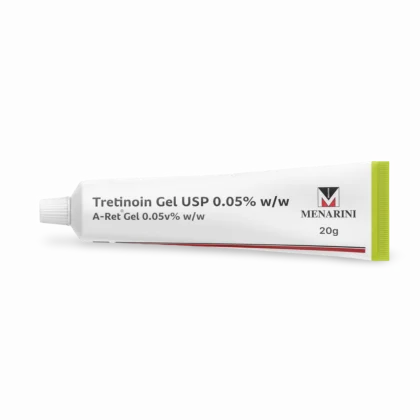
A Ret Gel 0.025% (20 gm)
Accelerates skin cell renewal to clear blocked pores, fade acne marks, and smooth surface lines.
 Uneven Skin Tone Medications
 Dealing with skin that feels inconsistent in color can be frustrating, affecting your confidence and how you see yourself daily. Visible discoloration, often appearing as persistent dark spots or patchy areas, is a common experience emerging from sun exposure, hormonal shifts, or natural skin recovery. Eight formulations are listed below, including topical retinoids like tretinoin, microsphere-based gels, and combination bleaching agents.
Accelerates skin cell renewal to clear blocked pores, fade acne marks, and smooth surface lines.
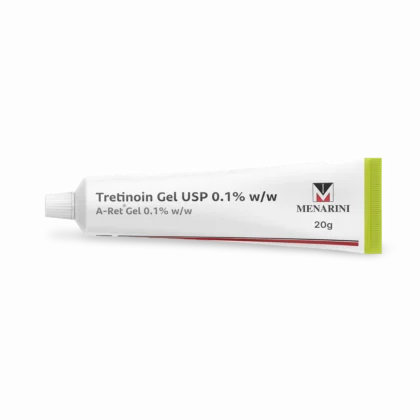
Accelerates skin cell turnover to clear blocked pores, smooth texture, and reduce the appearance of fine wrinkles.
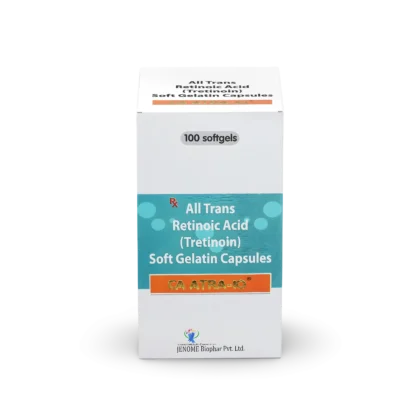
Accelerates skin cell renewal to clear blocked pores, fade acne marks, and smooth surface skin lines.
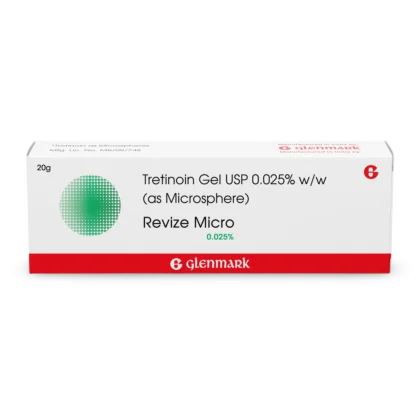
Accelerates skin cell turnover to clear blocked pores, fade acne marks, and smooth surface skin texture.
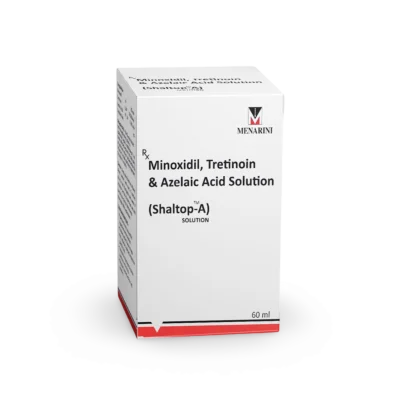
Combining localized stimulation for hair follicles with accelerated cell turnover to clear pores and refine skin texture.
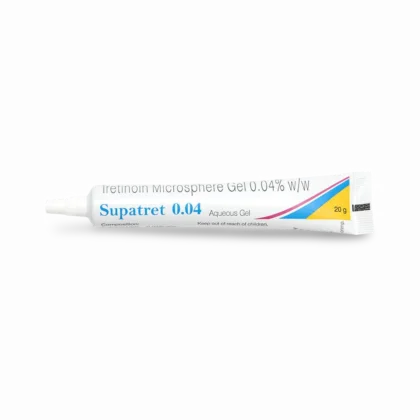
Accelerates skin cell renewal to clear blocked pores, fade acne marks, and smooth surface lines.
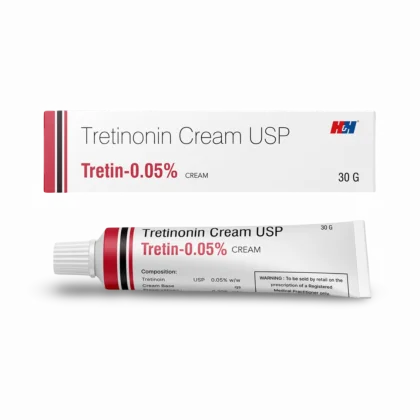
Accelerates skin cell renewal to clear blocked pores, fade acne marks, and smooth surface lines.
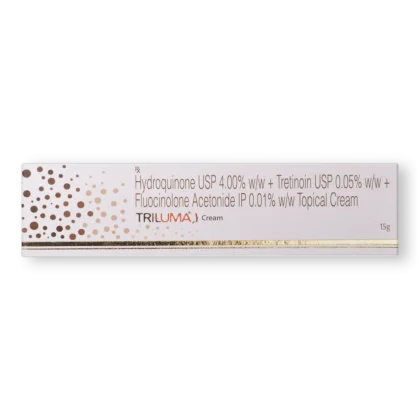
Addresses skin discoloration by slowing melanin production, reducing inflammation, and accelerating the natural cycle of skin turnover.
Uneven skin tone, or hyperpigmentation, develops when certain areas of your skin produce more melanin than others. This variation can manifest as brown or gray-brown patches, freckles, or darkened spots left behind after inflammation. While distinct from systemic health issues, this condition remains highly visible and often prompts a search for professional-grade support to restore a more uniform appearance.
Many people notice these changes after cumulative sun damage, which triggers melanocyte activity. Shifts in hormone levels related to pregnancy or oral contraceptives can also result in concentrated pigmentary changes, often on the face. Regardless of the trigger, the visual impact on your complexion often leads to a search for effective, dermatology-supported solutions to brighten and balance skin appearance.
Treating skin discoloration effectively requires consistent use of agents that encourage cellular turnover or inhibit the maturation of pigment. Topical retinoids stand as the foundational approach in many clinical routines, as they accelerate the shedding of older, hyperpigmented skin cells to reveal newer, evenly colored layers. These ingredients are frequently accessed through professional guidance to ensure the strength matches your skin’s specific sensitivity.
Combination therapy often integrates multiple mechanisms to address discoloration from different angles. For example, some formulations pair potent peeling agents with inhibitors that reduce the visibility of existing pigment deep within the skin structure. Across various international markets, these treatments are frequently categorized as specialized skincare requiring careful usage to prevent irritation while promoting gradual, visible improvements in skin clarity.
Selecting a suitable treatment involves understanding the delivery format and the strength of the active ingredients. Topical retinoids, such as tretinoin in varying concentrations, serve as the primary drivers of cell turnover. These are available in traditional gel and cream bases, each having different absorption profiles that influence how your skin reacts during the introductory phase of treatment.
Microsphere-based gels provide a specialized delivery method designed to release the active retinoid more slowly into the skin. This formulation is often preferred by those transitioning to active treatments, as it helps manage the likelihood of redness. Alternatively, combination creams may include multiple agents to simultaneously exfoliate and brighten, offering a concentrated approach for more stubborn areas of pigmentation.
Topical agents that alter cell turnover can make your skin significantly more reactive to environmental factors. It is essential to ensure that your current skin barrier is intact and to understand that initial redness or mild peeling is a common response rather than an allergy. Always introduce potent topical treatments slowly to allow your skin time to adjust.
Because these medications work by stimulating deep cellular activity, they often induce a period of adjustment known as “purging” or sensitization. During this time, your skin may feel tighter or appear more flushed than usual. Avoiding harsh physical exfoliants while using these medications helps maintain skin integrity and prevents unnecessary discomfort.
Certain active ingredients used to address pigmentation are not suitable for use during pregnancy or for individuals with specific skin sensitivities like active eczema. Additionally, these treatments demand strict daily sun protection, as the newly exposed skin is highly susceptible to UV damage. Product labeling and verified clinical sources remain the correct references for specific contraindications, interactions, and potential reactions.
This page provides an educational overview of uneven skin tone and the medication categories listed — not medical advice. Individual products differ in active ingredient, formulation, strength, and directions. The page does not authorize self-directed selection, clinical interpretation, or unsupervised use. Readers should review individual product labeling and speak with a healthcare professional when clinical judgment is needed to address any skin condition safely and effectively.