
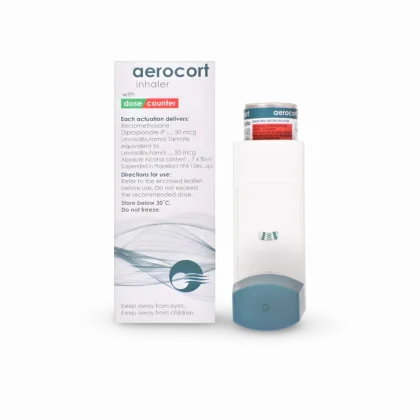
Aerocort Inhaler 50 mcg + 50 mcg
Delivers a dual-action approach to airway management by reducing inflammation and opening restricted breathing passages.
 Wheezing Medications
 Breathing rhythmically and effortlessly is something we often take for granted until persistent sounds like wheezing interfere with your day. This high-pitched whistling during breath indicates that your airways are narrowed or obstructed. Six formulations are listed below, covering bronchodilators, short-acting agonists, and combination therapies like those found in Aerocort, Asthalin, and Duolin.
Delivers a dual-action approach to airway management by reducing inflammation and opening restricted breathing passages.
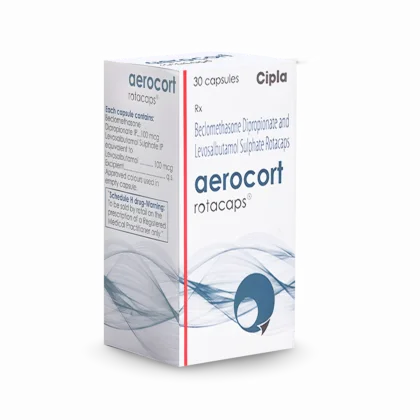
Combines a corticosteroid and a bronchodilator to both reduce airway inflammation and open restricted breathing passages.

Relaxes the muscles in your airways to keep them open for easier breathing during respiratory flare-ups.
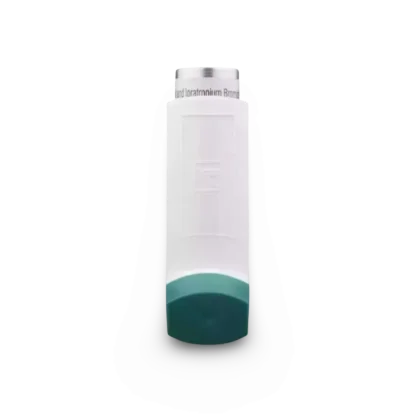
Dual-action respiratory support that opens airways and relaxes muscles to improve breathing during chronic respiratory conditions.
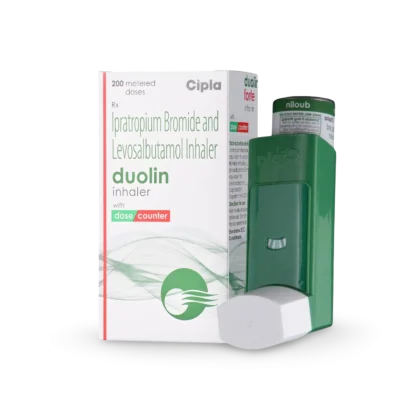
Opens constricted airways and eases breathing by relaxing bronchial muscles through dual-action lung relief.
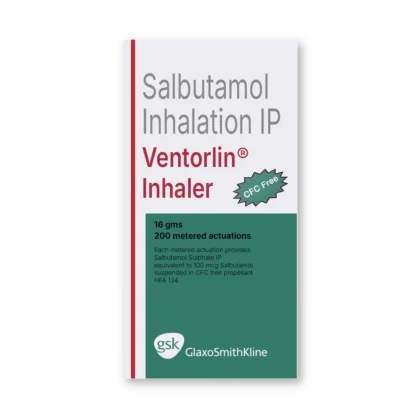
Relaxes the smooth muscles in your airways to keep passages open and ease shortness of breath.
Wheezing is a clear signal that your body is having trouble moving air through the bronchial tubes. This whistling sound occurs when the airways become constricted, inflamed, or blocked by mucus. While you might associate this sound with exercise or colds, it often serves as a symptom of underlying respiratory conditions like asthma, bronchitis, or allergic reactions.
Living with this symptom can feel exhausting and mentally draining. It often leaves you questioning whether your current environment or physical activity levels are contributing to deeper inflammation. Because the sound arises from restricted airflow, identifying the cause is a vital step toward managing your respiratory health and finding relief that restores your confidence in every breath.
Management focuses on relaxing the muscles around your airways and reducing inflammation that triggers constriction. Treatment typically involves rescue medications—often bronchodilators—that provide rapid relief by opening tight passages and anti-inflammatory agents that calm the tissues over time.
Across global markets, these formulations are typically used under the guidance of a healthcare provider to ensure that the medication addresses the specific trigger or condition responsible. Depending on the pharmacy regulations in your region, these options may be accessed as prescription-only respiratory aids. The goal remains consistent: clearing your airway and maintaining oxygen flow to your lungs.
Different formulations are designed to address the physical constriction of airways through distinct mechanisms. By reviewing how these classes work, you can better prepare for a discussion with your provider regarding which approach might suit your respiratory profile.
These medicines target the smooth muscles surrounding your bronchial tubes. By signaling these muscles to relax, they widen the airway almost immediately. This class is often used for rapid, short-term relief when you experience sudden difficulty breathing or audible wheezing.
Inflammation is a primary driver of airway narrowing. Corticosteroids work to reduce swelling and mucus production within the lungs. This type is generally used for long-term maintenance rather than immediate relief, helping to prevent the recurrence of symptoms by keeping the bronchial lining clear.
Many treatments combine a fast-acting bronchodilator with an anti-inflammatory component. This approach provides both immediate relief and sustained support for the airway tissues. Using a combined formulation can simplify your respiratory management routine if your provider determines that both active mechanisms are necessary for your respiratory health.
Always confirm the root cause of your respiratory symptoms with a clinician before starting any new medication. Using a bronchodilator to mask symptoms without identifying a underlying condition like asthma or chronic obstruction can delay essential diagnosis.
Inhaled medications may sometimes cause localized reactions, such as hoarseness, throat irritation, or a dry mouth. Using correct inhalation technique, such as rinsing your mouth after use, can often minimize these common side effects.
Respiratory medicines can interact with other treatments, particularly those affecting the heart rate or blood pressure. Inform your provider about any existing cardiovascular conditions, as certain bronchodilators may cause a temporary increase in pulse rate or feelings of jitteriness. Product labeling and verified clinical sources remain the correct references for specific contraindications, interactions, and potential reactions.
This page provides an educational overview of wheezing and the medication categories listed — not medical advice. Individual products differ in active ingredient, formulation, strength, and directions. The page does not authorize self-directed selection, clinical interpretation, or unsupervised use. Readers should review individual product labeling and speak with a healthcare professional when clinical judgment is needed.