
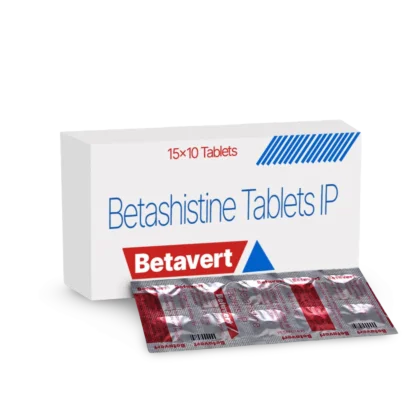
Betavert 16 mg
Improves blood flow in the inner ear to reduce frequency and severity of dizzy spells.
Medicine Details
- Indications
- Manufacturer
Where to Buy Online
Choose an available external shop by region.
Betavert 16 mg: Betahistine 16 mg Tablets
This generic formulation is used to address vertigo and symptoms associated with Meniere’s disease. It contains betahistine, an active compound that balances fluid pressure within your inner ear to manage sensations of imbalance.
What Is Betavert 16 mg?
Betavert 16 mg is a generic formulation containing betahistine as its active compound. It serves as a therapeutic agent in the category of vestibular suppressants, commonly used when persistent dizziness or spinning sensations disrupt daily activity.
This formulation is manufactured by Sun Pharmaceutical Industries Ltd. and functions similarly to originator brands like Serc. By focusing on the vestibular system—the part of your inner ear responsible for balance—it provides a targeted approach for those experiencing recurring dizzy spells.
How Is Betavert 16 mg Classified?
Across regulated markets including the United Kingdom, Australia, and Canada, betahistine is generally classified as a prescription-only medicine. This means that a healthcare provider must assess your specific symptoms before you begin using it, as dizziness can stem from various underlying health issues.
While global access requirements vary, most regulatory bodies mandate professional oversight to ensure this medicine is appropriate for your condition. In some regions, you may require a formal diagnosis of Meniere’s disease or vestibular vertigo to obtain this medication, reflecting the need for a clinical evaluation of your balance system.
Betavert 16 mg: Form and Available Strengths
Betavert 16 mg resides in a tablet form, designed for consistent release of the active compound. This specific version provides a 16 mg dose, which is a common strength used for managing ongoing vestibular symptoms.
Sun Pharmaceutical Industries Ltd. produces this formulation to provide a reliable option for patients needing continued access to betahistine. Availability may vary by location, and it is standard practice for pharmacies to list specific strengths like this one based on local demand and clinical guidance.
What Is Betavert 16 mg Used For?
Betavert 16 mg assists with the management of vertigo, a condition where you feel as though your surroundings are spinning. It also addresses the triad of symptoms associated with Meniere’s disease: recurring vertigo, tinnitus, and hearing loss.
By helping to stabilize the inner ear environment, the medication manages the frequency and intensity of these episodes. It does not address the underlying cause of all dizzy spells, but it plays a significant role in reducing the impact of vestibular dysfunction on your quality of life.
How Does Betahistine Work in Betavert 16 mg?
Your inner ear contains tiny blood vessels that supply the structures responsible for your sense of balance. Betahistine works by widening these blood vessels, an effect that improves blood circulation throughout the inner ear.
Better circulation helps regulate the pressure of endolymph, the fluid that fills your inner ear canals. When this fluid pressure is managed, your brain receives more consistent, accurate signals about your head position. This stability effectively dials down the “noise” that causes intense spinning sensations, making it easier for you to maintain balance during daily tasks.
Where Betavert 16 mg Fits in Its Drug Class
Betahistine belongs to a class of medications known as histamine analogues. While it relates chemically to the histamine your body produces, its action is highly specific to the H1 and H3 receptors found in the vestibular nuclei of your brain and inner ear.
Unlike older classes of anti-vertigo medications that often cause drowsiness, this class is chosen because it typically leaves your alertness intact. It sits in a distinct niche for chronic vestibular management, providing a way to handle long-term symptoms without the sedative effects common to other options like cinnarizine or prochlorperazine.
Safety Overview for Betavert 16 mg
What to check before using this medicine
Check with your provider if you have a history of stomach ulcers, as betahistine can sometimes cause mild gastric irritation. It is also important to mention if you have asthma or if you are currently taking any antihistamines, as these may interfere with how the medication works. Inform your doctor if you are pregnant or breastfeeding, as safety data in these specific groups remains limited.
Possible reactions and tolerability
Most people tolerate this active compound well, but minor digestive sensitivity may occur. You might notice occasional stomach discomfort, dry mouth, or mild headaches. These effects often settle as your body adjusts to the tablet, but you should always track any changes in your physical state while starting a new regimen.
Interactions and health factors
Because this medication acts on your blood vessels and inner ear nerves, it can interact with other medicines targeting the central nervous system. Do not combine this with other vertigo treatments unless directed by your doctor. Product labeling and verified clinical sources remain the correct references for specific contraindications, interactions, and potential reactions.
Finding Betavert 16 mg Online
- Patients in the United Kingdom, Australia, Canada, and similar markets search for Betavert 16 mg through online pharmacy directories and health platforms before speaking with a local provider.
- You can look up which local pharmacies hold this specific strength of betahistine in stock before you make a trip.
- Many individuals use online medicine checkers to verify if their generic version is equivalent to known international brands like Serc.
- Searching for the active compound name, betahistine, can help you identify various branded and generic forms available in your current region.
Important Safety Information for Betavert 16 mg
Betavert 16 mg is an educational resource regarding betahistine and is not medical advice. Medications containing this active compound may differ between manufacturers in terms of inactive ingredients, strength, and administration guidelines. This page does not authorize clinical application, self-directed interpretation, or unsupervised use of any medicine. You should review the product labeling, compare it with your own health situation, and always speak with a healthcare professional when clinical judgment is required for your specific condition.
Usually available as
- 30 Tablet/sGRM251-30 Tablet/s
- 60 Tablet/sGRM251-60 Tablet/s
- 90 Tablet/sGRM251-90 Tablet/s
Related Medicines
Betavert 8 mg
Improves blood flow in the inner ear to reduce dizziness and balance-related symptoms.