
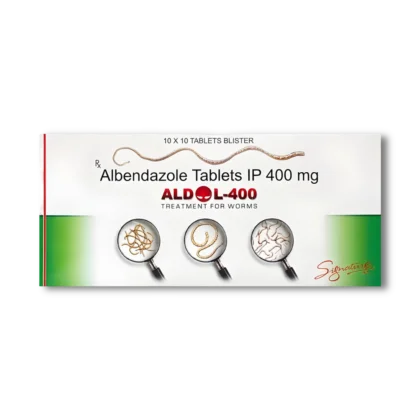
Aldol 400 Mg Tablet
Targets parasitic worm survival by preventing glucose absorption, which depletes their energy stores and leads to elimination.
 Antiparasitics Medications
 The Antiparasitics category covers a range of medications used to address helminthic infections, protozoal infections, and ectoparasitic infestations. The 16 formulations listed below include a variety of treatment classes, such as anthelmintics like Bendex and Zentel, broad-spectrum agents like Flagyl and Nizonide, and specialized parasiticides including Ivecop and Iverkind, alongside topical solutions like Permite Cream.
Targets parasitic worm survival by preventing glucose absorption, which depletes their energy stores and leads to elimination.

Eliminates parasitic worms by altering their surface structures, making them vulnerable to your immune system defenses.
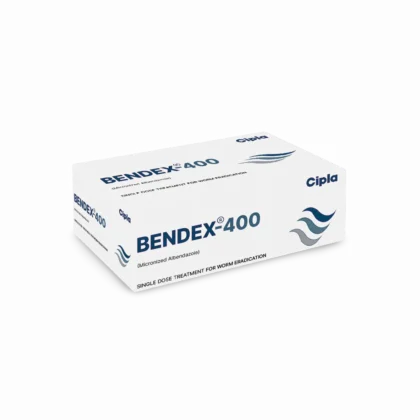
Eliminates parasitic worm infections by preventing the organisms from absorbing the sugars they require for growth and survival.
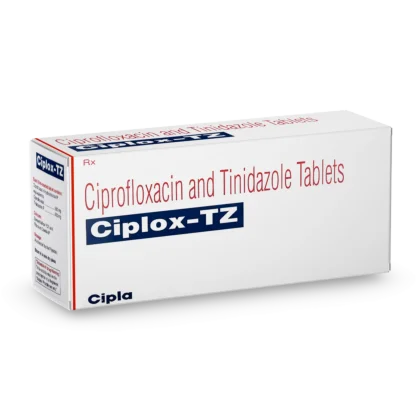
Targets diverse bacterial and protozoal pathogens by inhibiting essential DNA synthesis and replication pathways in microorganisms.
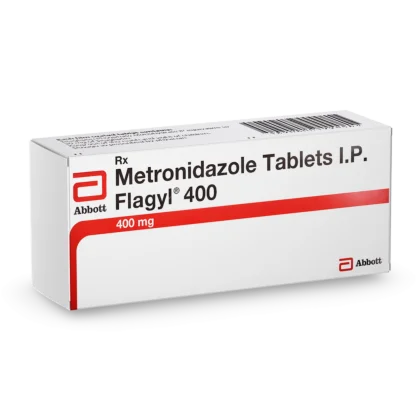
Disrupts the DNA of anaerobic bacteria and parasites to resolve infections in the gut and reproductive system.
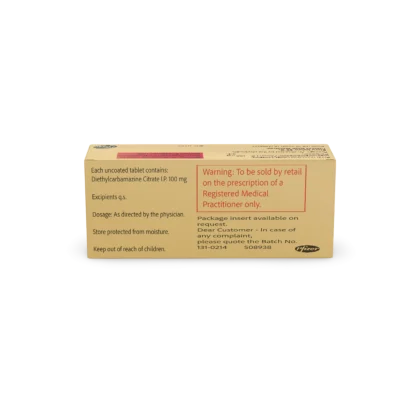
Eliminates parasitic worms from the bloodstream and tissues by altering their surface layers for immune clearance.
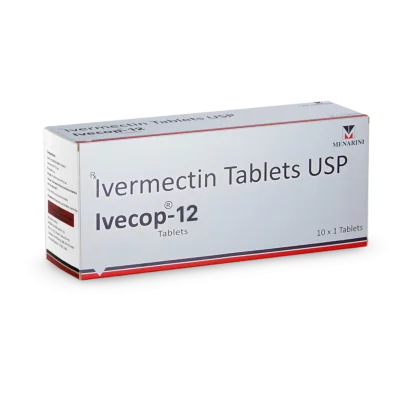
Targets parasitic nervous systems to effectively clear internal and external worm infestations throughout the body.
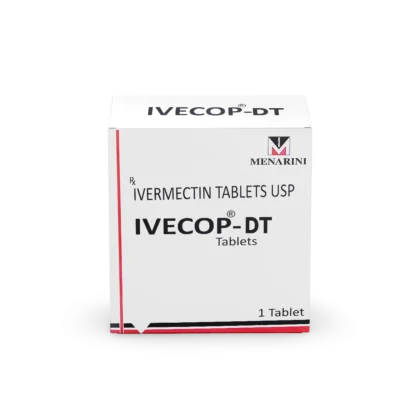
Targets specific parasitic infections by binding to nerve and muscle cells of the parasite to clear symptoms.
Targets specific parasitic infections by disrupting the nerve and muscle function of the infecting organism.
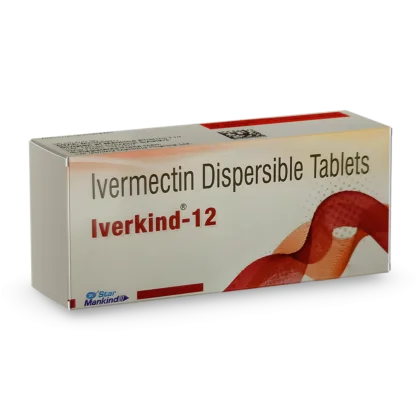
Targets parasitic nerve and muscle systems to disrupt growth and resolve infestations in various tissue environments.
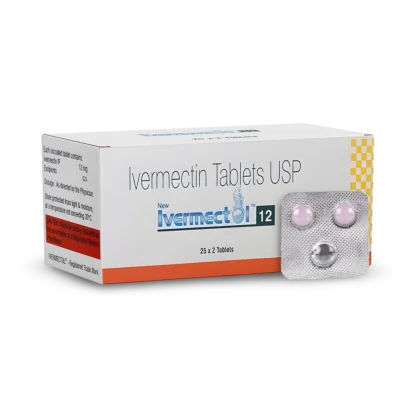
Targets parasitic organisms by disrupting their nervous system function, allowing your body to clear the infestation.
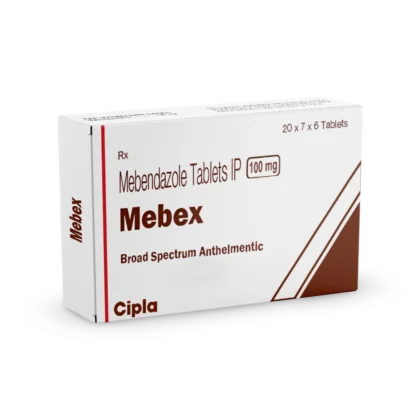
Interferes with the internal structures of intestinal worms to prevent them from absorbing the sugar needed for survival.
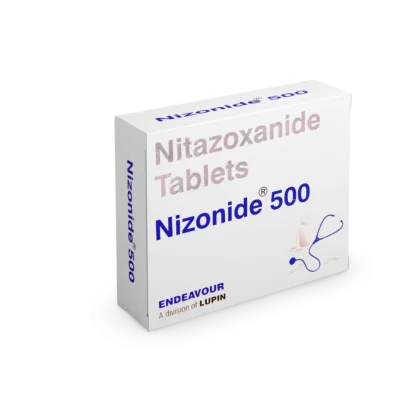
A synthetic antiparasitic agent that disrupts energy metabolism to eliminate specific protozoan and helminthic infections within the gut.
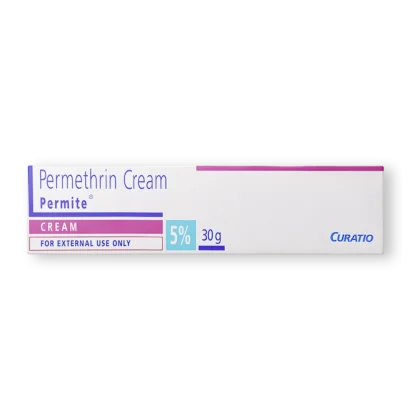
Eliminates parasites like scabies mites and lice by disrupting their nervous systems to stop infestations.
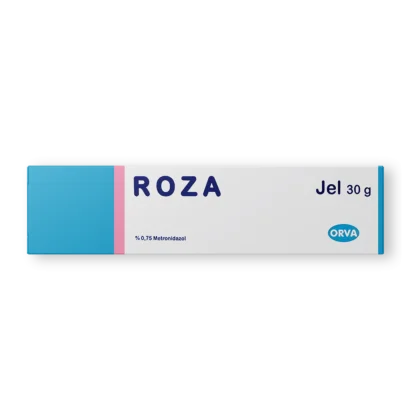
Targets inflammatory skin conditions by reducing bacterial activity and calming the local immune response in skin.
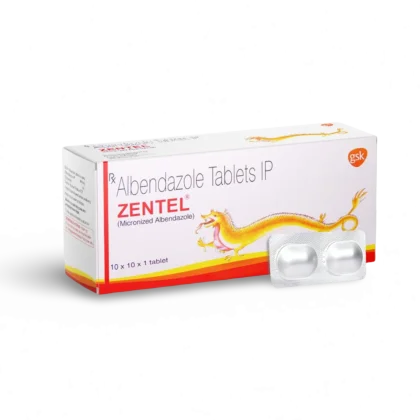
Interferes with the vital energy pathways of intestinal parasites, causing their depletion and subsequent elimination from your body.
Antiparasitics represent a group of therapeutic agents designed to eliminate or control parasites that have infected a human host. These medications are categorized based on the specific type of organism they target, as parasites range from microscopic single-celled protozoa to larger, multi-cellular helminths like worms. Because these organisms vary significantly in their life cycles and biological structures, identifying the specific pathogen is a central part of selecting the appropriate treatment.
These conditions are often grouped together because they frequently require systematic chemical intervention to prevent the parasite from replicating or attaching to human tissues. While some parasitic infections occur in the gastrointestinal tract, others may affect the bloodstream, skin, or internal organs. The choice of medication depends on the location of the infestation and the susceptibility of the specific parasite to the drug’s mechanism of action.
Treatment for parasitic infections involves selecting an agent that disrupts the parasite’s basic metabolic functions, such as glucose uptake, neuromuscular signaling, or DNA replication, without causing significant harm to the host’s cells. These medications are classified by how they interact with specific organisms. For example, some drugs target the nervous system of worms, while others function by inhibiting the energy production of protozoa.
Across global markets, including international regions in Africa, Southeast Asia, and Latin America, antiparasitic therapy is a standard approach for managing both public health challenges and individual clinical cases. Medications are available in multiple delivery forms, including oral tablets, capsules, and topical creams. Because diagnostic methods vary, medical providers often use clinical presentation and laboratory testing to determine the necessary class of treatment before prescribing.
The medications in this category are generally divided by whether they address intestinal worms, protozoal pathogens, or surface-level infestations.
Anthelmintics are designed to treat infections caused by parasitic worms, such as threadworms, roundworms, and tapeworms. These drugs typically function by preventing worms from absorbing glucose, which depletes their energy stores and leads to their expulsion from the body, or by causing paralysis in the parasite. Common formulations in this class include albendazole and mebendazole, which are frequently used for broad-spectrum intestinal clearance.
Many protozoal infections require medications that can cross into the bloodstream or specific organ tissues to reach the site of infection. Agents like metronidazole and tinidazole are well-known for treating infections such as giardiasis or amoebic dysentery. These drugs often interfere with the parasite’s ability to maintain its genetic integrity, effectively stopping its reproductive cycle.
Ectoparasiticides are treatments applied externally to the skin to address infestations like scabies or lice. Unlike systemic oral medications, these are typically formulated as creams, gels, or lotions that contact the parasite directly. Products like permethrin act on the parasite’s cell membranes, resulting in paralysis and death of the organism, which is essential for managing skin-based infestations.
Before initiating any antiparasitic treatment, it is important to confirm the specific organism causing the infection, as these drugs are not interchangeable. Certain medications are formulated specifically for systemic infections, while others are intended strictly for topical surface use. Reviewing your medical history for sensitivities to specific drug classes ensures that the selected treatment aligns with your health requirements.
Individual responses to antiparasitic agents can vary based on the specific medication class. Some systemic agents may cause gastrointestinal discomfort or changes in appetite during the course of treatment. Topical ectoparasiticides, while localized, may occasionally trigger skin irritation or hypersensitivity reactions at the application site. Monitoring how your body responds to a new medication is a standard practice during any regimen.
Antiparasitics may interact with other medications, particularly those metabolized by the liver or those that affect the central nervous system. Factors such as kidney or liver function can influence how your body clears these substances, necessitating professional guidance regarding duration and frequency. Product labeling and verified clinical sources remain the correct references for specific contraindications, interactions, and potential reactions.
This information about antiparasitic medications is for educational purposes and does not substitute for professional medical advice or diagnosis. Parasite infections vary greatly by type and severity, and individual products differ in their active ingredients, strengths, and intended methods of use. This page does not authorize self-directed selection or the interpretation of clinical symptoms. Always review individual product labeling and speak with a healthcare professional to identify the correct treatment for your health situation.
Jun 12, 2026 ⋅ 5 min read
A clinical guide to the safety profile of antiparasitic medications, covering common side effects, potential adverse reactions, contraindications, and drug interactions.
Jun 12, 2026 ⋅ 7 min read
A plain-language guide to antiparasitic medications, explaining how these treatments work against parasitic infections, core drug classes, and key safety considerations.
Jun 12, 2026 ⋅ 5 min read
This guide compares various antiparasitic medications, examining how healthcare professionals differentiate options based on efficacy, mechanism of action, and patient-specific factors for treatment planning.
Jun 12, 2026 ⋅ 6 min read
This article outlines the main classes of antiparasitic medications, explaining their mechanisms of action and how these treatments differ in clinical application.