
Roza Gel 30 gm
Targets inflammatory skin conditions by reducing bacterial activity and calming the local immune response in skin.
Medicine Details
- Manufacturer
Where to Buy Online
Choose an available external shop by region.
Roza Gel: Metronidazole 30 gm
This generic formulation contains metronidazole as its active compound, which belongs to a class of medicines known as nitroimidazoles. Used to address inflammatory skin conditions, it works by targeting the microorganisms that can worsen symptoms and by calming the local response in your skin.
What Is Roza Gel?
Roza Gel is a topical formulation containing metronidazole, an antibiotic and antiprotozoal agent used commonly in dermatological care. It functions primarily to assist with the reduction of inflammatory lesions associated with rosacea, a chronic condition that causes redness and visible blood vessels.
As a generic medicine distributed by Hegde and Hegde Pharmaceutical LLP, this formulation provides a focused approach to managing symptoms at the surface of the skin. While metronidazole is often associated with systemic treatments for gut or bacterial vaginal infections, this topical 30 gm gel is specifically prepared for external use to address surface-level inflammation.
How Is Roza Gel Classified?
Across regulated markets including the United States, United Kingdom, Australia, and Canada, metronidazole is subject to specific healthcare oversight. In many of these regions, topical formulations containing metronidazole are classified as prescription-only medicines.
This classification ensures that the use of the compound is guided by clinical necessity. While regulations can vary, such as the requirements for pharmacist intervention in some regions compared to a physician-issued prescription in others, the medicine remains a controlled therapeutic agent globally.
Roza Gel: Form and Available Strengths
Roza Gel is supplied as a 30 gm topical gel. This specific strength and size are available for application as needed, based on a clinician’s direction. Hegde and Hegde Pharmaceutical LLP manufactures this product to meet standard pharmaceutical requirements for stability and absorption when applied to the skin.
What Is Roza Gel Used For?
This medication is primarily used to address symptoms of rosacea, including the redness, papules, and pustules that often affect the face. By reducing the load of bacteria on your skin and minimizing the chemical signals that trigger inflammation, the gel assists in creating a clearer, calmer skin surface.
Although the active compound metronidazole is effective against various bacterial and parasitic infections in other parts of the body, this topical form is not intended for digestive or internal use. It is strictly limited to external skin application to manage the persistent inflammatory markers associated with rosacea.
How Does Metronidazole Work in Roza Gel?
When you apply this gel, your skin cells take up the metronidazole, which interferes with the genetic development and survival of specific bacteria. In the context of your skin, this action does more than just kill bacteria; it stops them from generating the waste products that keep your immune system in a state of high alert.
By calming this cycle, the gel helps to lower the surface redness and bumps that you see in the mirror. It effectively resets the environment of your skin, allowing the natural repair processes to take over without constant disruption from inflammatory triggers.
Where Roza Gel Fits in Its Drug Class
Metronidazole belongs to the nitroimidazole class of compounds. These medicines are well-known for their ability to enter cells and break down the internal structures of anaerobic bacteria—microbes that thrive in environments without oxygen.
While this class is a staple for treating systemic or internal infections like gut issues, the topical version represents a specialized application. It provides the same fundamental mechanism of action but maintains consistent activity at the site of application rather than circulating through your entire bloodstream.
Safety Overview for Roza Gel
What to check before using this medicine
Check that you do not have a known hypersensitivity to nitroimidazoles or other ingredients listed in the product composition. Your history with similar topical treatments is important, as it helps determine if your skin is likely to react comfortably to this formulation.
Possible reactions and tolerability
Some people may experience mild tingling, dryness, or stinging when they first start using a topical gel. These effects are often temporary as your skin adjusts, but you should monitor the intensity of any reactions that persist or worsen with continued application.
Interactions and health factors
Although systemic absorption from a topical gel is generally low, discussing your overall health with a professional is necessary if you are pregnant, breastfeeding, or managing conditions that affect your blood or nervous system. Other medications you are currently using may also influence how your skin responds to this treatment. Product labeling and verified clinical sources remain the correct references for specific contraindications, interactions, and potential reactions.
Finding Roza Gel Online
- Information-seeking patients in Canada, the United Kingdom, and the United States often consult online pharmacies to verify the availability of specific strengths and forms.
- Many users search for generic alternatives like this one when comparing options to originator brands like Metrogel or Rozex.
- Patients who are traveling often check for the availability of their regular skincare treatments in advance to ensure consistent management of their condition.
- Online pharmacy directories help in mapping out where professional support and product access are located before a clinic visit.
References
Important Safety Information for Roza Gel
Metronidazole serves as an antibiotic agent found in this formulation, meant for target-specific dermatological use. Products containing this compound may vary significantly in their formulation, inactive ingredients, and specific applications. This content does not authorize the clinical use, self-directed interpretation, or unsupervised application of this medicine. You should review the product labeling, carefully consider your own unique health situation, and speak with a qualified healthcare professional whenever clinical judgment is required for your care.
Usually available as
- 3 TubeGRM302-3 Tube
- 6 TubeGRM302-6 Tube
- 9 TubeGRM302-9 Tube
Related Medicines
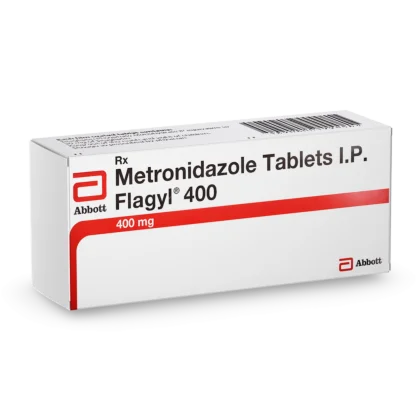
Flagyl 400 mg
Disrupts the DNA of anaerobic bacteria and parasites to resolve infections in the gut and reproductive system.
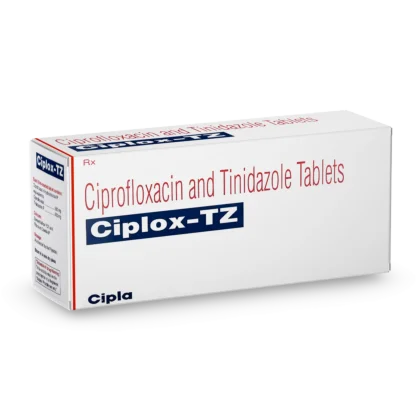
Ciplox TZ 500 Mg + 600 Mg
Targets diverse bacterial and protozoal pathogens by inhibiting essential DNA synthesis and replication pathways in microorganisms.
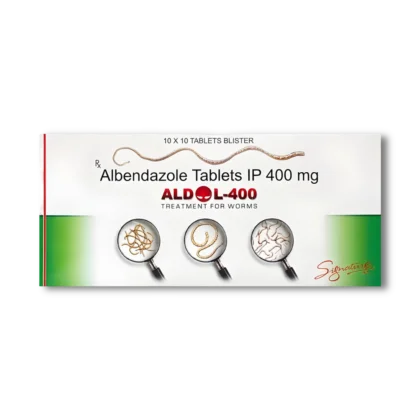
Aldol 400 Mg Tablet
Targets parasitic worm survival by preventing glucose absorption, which depletes their energy stores and leads to elimination.
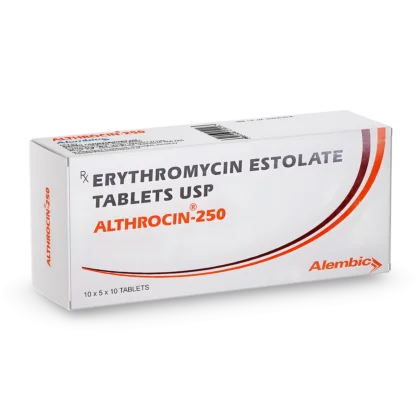
Althrocin 250 Mg
Targets protein production within bacterial cells to stop their multiplication and clear existing infections across body tissues.
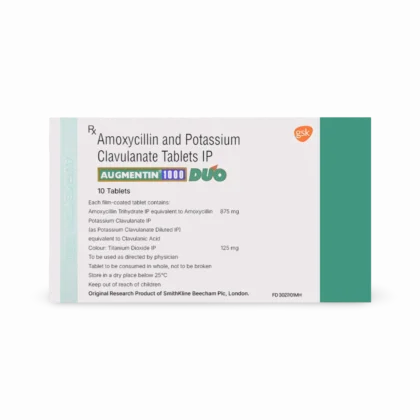
Augmentin 1000 Mg
Targets bacterial cell wall synthesis with a dual-acting formula designed to overcome specific resistance mechanisms.
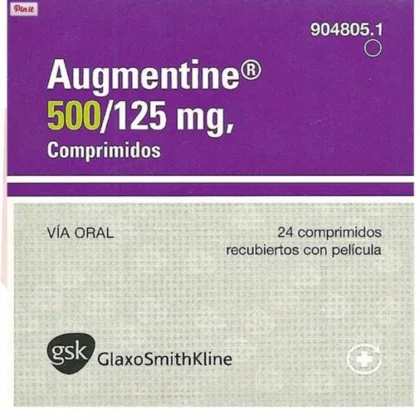
Augmentin 500 Mg+125 Mg
Combines an antibiotic with a bacterial enzyme inhibitor to clear diverse, resistant bacterial infection types.
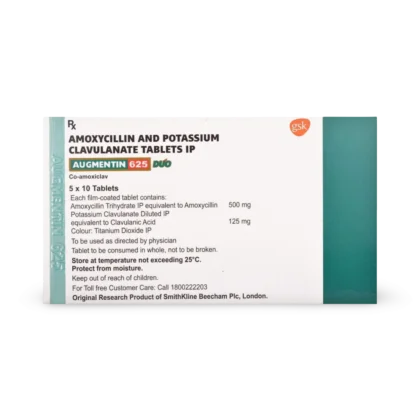
Augmentin 625 Duo Tablet
Targets resistant bacterial infections by preventing common resistance mechanisms while inhibiting bacterial cell wall synthesis.
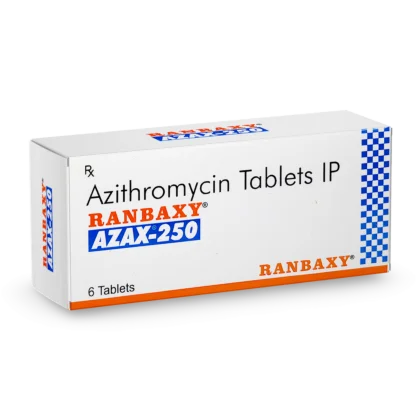
Azax 250 mg
Targets bacterial protein synthesis with tissue persistence that enables efficient, short-course treatment for various infections.
Related Articles

Jun 12, 2026 ⋅ 5 min read
Antibiotics Medication Side Effects, Risks, and Interactions
A professional overview of common side effects, adverse reactions, contraindications, and potential interactions associated with antibiotic medications.
Jun 12, 2026 ⋅ 6 min read
Antibiotics Medications: Complete List, Uses, and Treatment Guide
A guide to understanding antibiotics, their classifications, mechanisms of action, and core safety considerations for patients seeking information on bacterial infections.
Jun 12, 2026 ⋅ 5 min read
Antiparasitics Medication Side Effects, Risks, and Interactions
A clinical guide to the safety profile of antiparasitic medications, covering common side effects, potential adverse reactions, contraindications, and drug interactions.
Jun 12, 2026 ⋅ 7 min read
Antiparasitics Medications: Complete List, Uses, and Treatment Guide
A plain-language guide to antiparasitic medications, explaining how these treatments work against parasitic infections, core drug classes, and key safety considerations.