
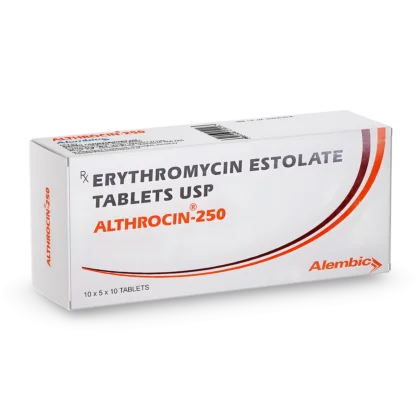
Althrocin 250 Mg
Targets protein production within bacterial cells to stop their multiplication and clear existing infections across body tissues.
 Antibiotics Medications
 Antibiotics address various bacterial infections ranging from respiratory and urinary tract conditions to skin and soft tissue manifestations. These medications target specific bacterial processes to stop infection spread or eliminate the bacteria entirely. The 38 formulations listed below represent multiple drug classes, such as penicillin combinations like Augmentin, macrolides like Azee and Azax, and fluoroquinolones like Oflox.
Targets protein production within bacterial cells to stop their multiplication and clear existing infections across body tissues.
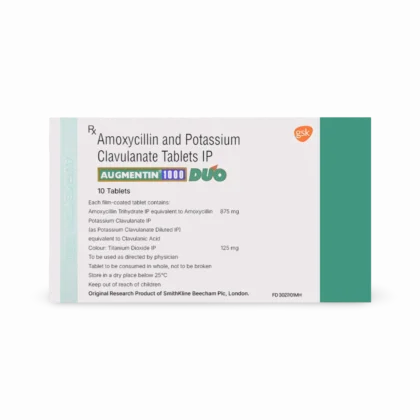
Targets bacterial cell wall synthesis with a dual-acting formula designed to overcome specific resistance mechanisms.
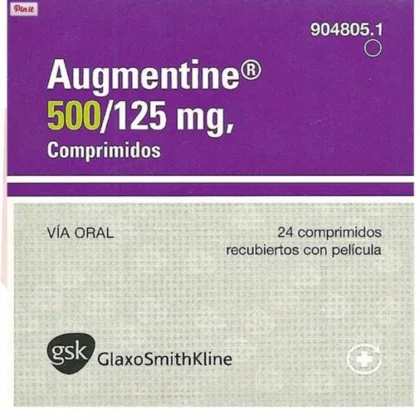
Combines an antibiotic with a bacterial enzyme inhibitor to clear diverse, resistant bacterial infection types.
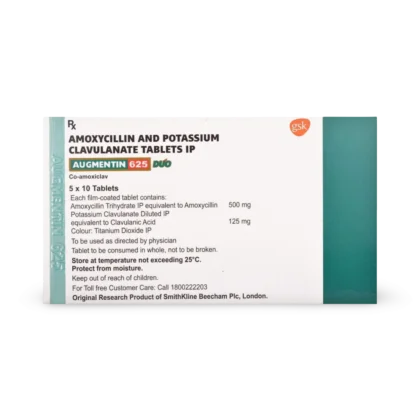
Targets resistant bacterial infections by preventing common resistance mechanisms while inhibiting bacterial cell wall synthesis.
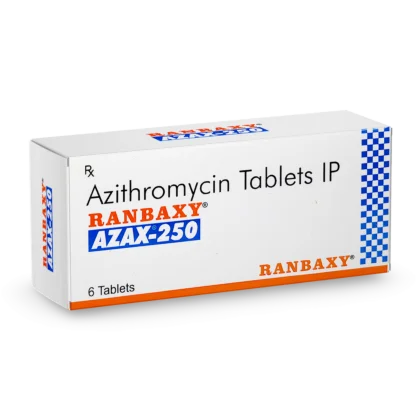
Targets bacterial protein synthesis with tissue persistence that enables efficient, short-course treatment for various infections.
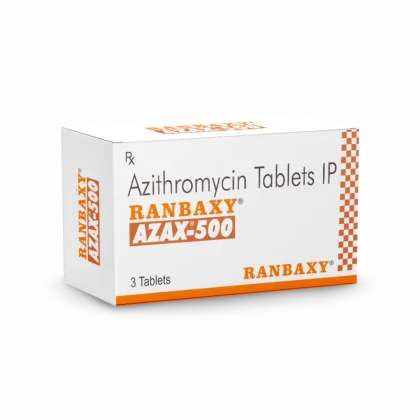
Targets bacterial protein synthesis with tissue persistence that enables short-course treatment for various infections.

Targets bacterial protein synthesis through azithromycin, which remains active in tissue for several days after dosing.
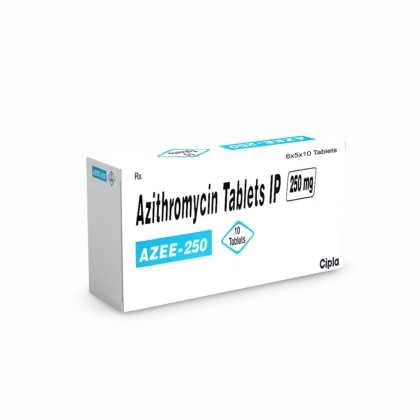
Targets bacterial protein synthesis with tissue persistence that enables short-course treatment for various common infections.
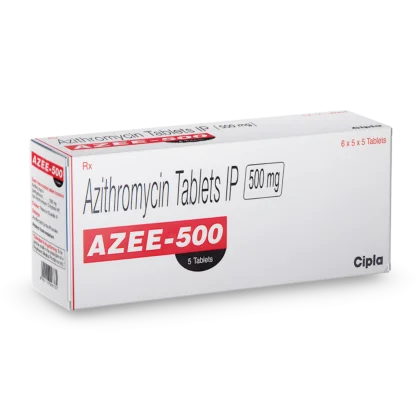
Targets bacterial protein synthesis with tissue persistence that enables short-course treatment for various common infections.
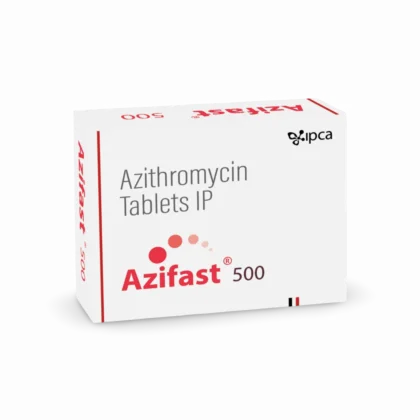
Targets bacterial protein synthesis with tissue persistence that enables short-course treatment regimens for common infections.
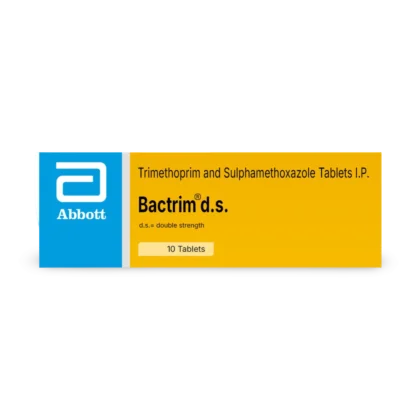
Targets bacterial growth by blocking essential folate synthesis, providing broad-spectrum coverage for common respiratory and urinary conditions.
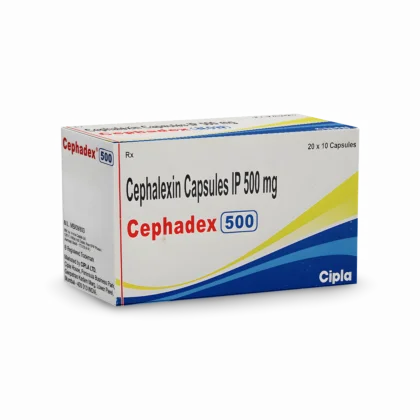
Blocks bacterial cell wall formation to stop the growth and spread of sensitive bacterial infections.
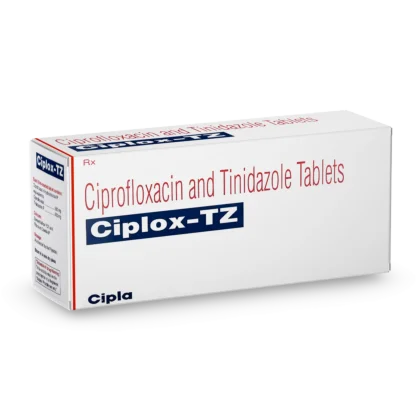
Targets diverse bacterial and protozoal pathogens by inhibiting essential DNA synthesis and replication pathways in microorganisms.
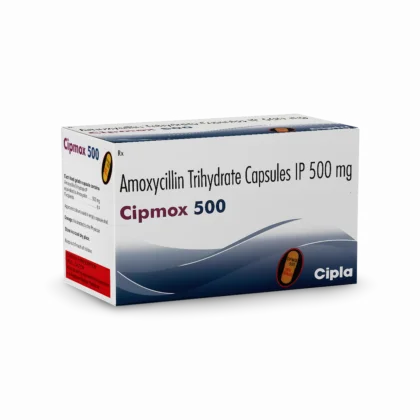
Targets bacterial cell wall synthesis to effectively manage a range of common bacterial infections.

Targets specific bacterial infections by inhibiting bacterial cell wall synthesis while preventing resistance-causing enzyme breakdown.
Targets certain bacterial processes and inflammatory pathways to manage complex skin and infection-related health conditions.
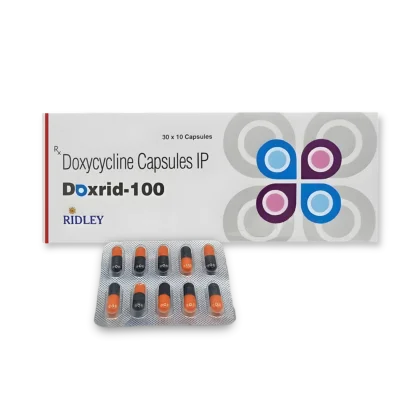
Targets protein synthesis within bacterial cells to halt their growth and manage a wide range of infections.
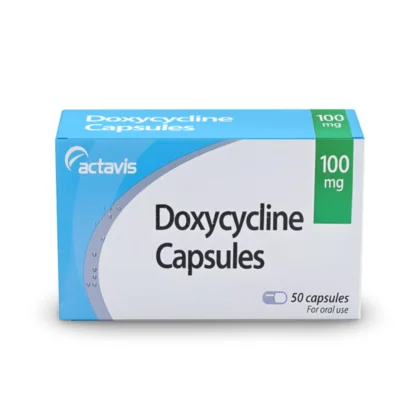
Targets protein production within bacteria to stop their growth and assist your immune system in clearing infections.
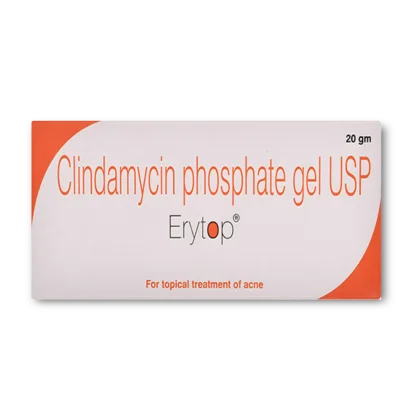
Targets acne-causing bacteria by inhibiting protein synthesis within the cell wall to reduce inflammation and breakouts.

Targets protein synthesis in bacterial cells to manage various infections through a stable, broad-spectrum oral formulation.
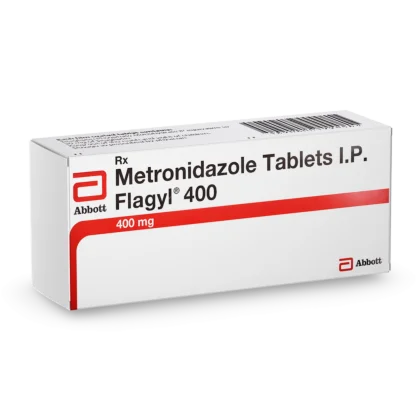
Disrupts the DNA of anaerobic bacteria and parasites to resolve infections in the gut and reproductive system.
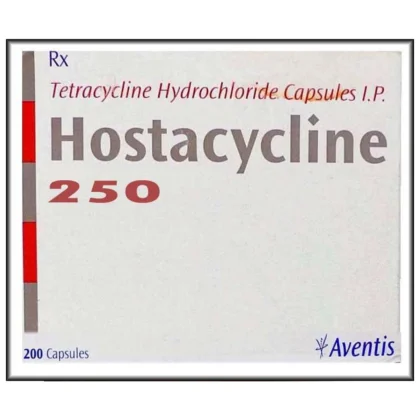
Targets protein production within bacteria to stop their growth and expansion across different tissues.

Targets bacterial protein synthesis with tissue persistence that enables broad-spectrum management of various infection types.
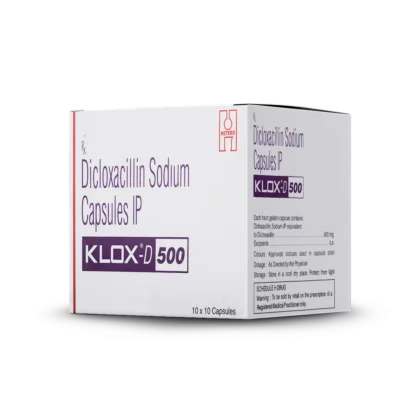
Targets specific bacterial cell wall structures to stop growth and manage persistent Staphylococcal infections.
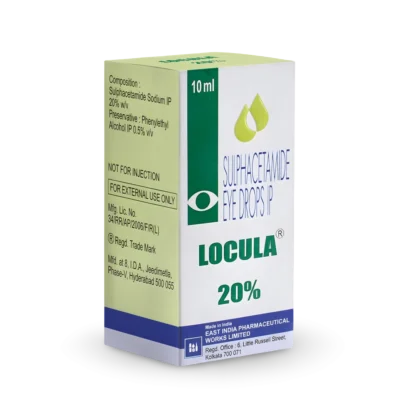
Targets bacterial growth directly in the eye to interrupt infection cycles and support your natural recovery.
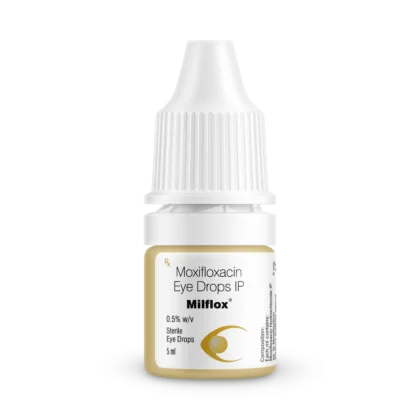
Eliminates bacteria by inhibiting essential enzymes needed for DNA replication and repair within infectious cells.
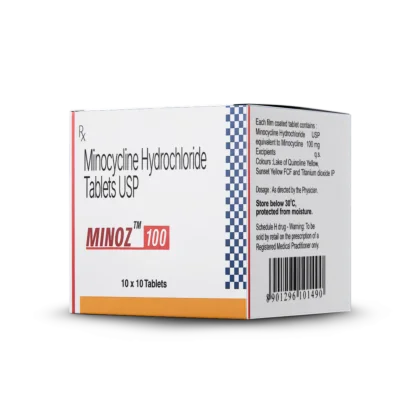
Targets bacterial protein synthesis to clear inflammatory lesions and address systemic bacterial infections at their source.
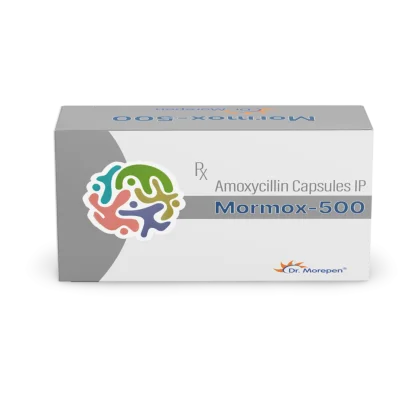
Targets bacterial cell wall formation to stop the growth of various harmful infections throughout your body.
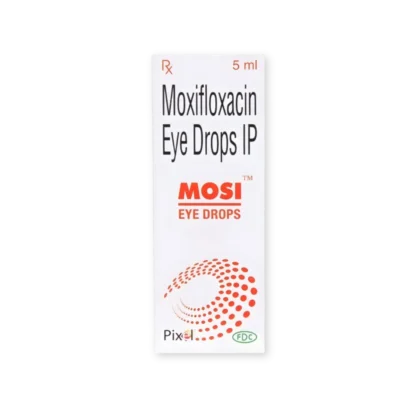
Combats bacterial infections by blocking essential enzymes required for microbial DNA replication and repair within cells.
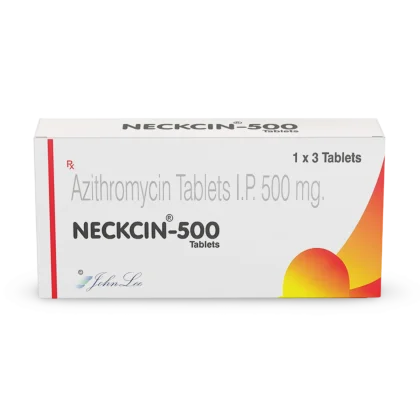
Targets specific types of bacterial protein synthesis with tissue persistence that enables short-course treatment schedules.
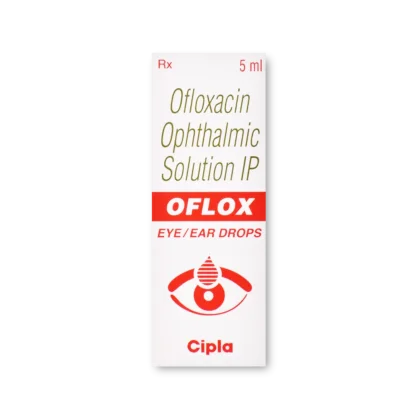
Targets common bacterial eye pathogens by disrupting their DNA replication, stopping the infection from spreading further.
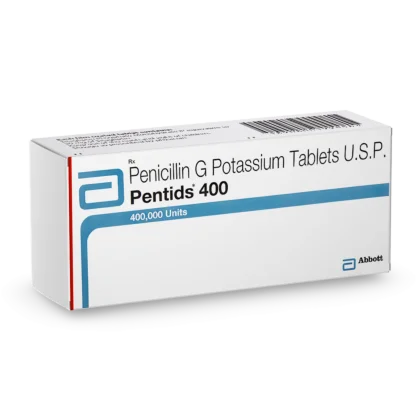
Targets specific bacterial cell walls to inhibit growth and manage various localized or systemic infections.
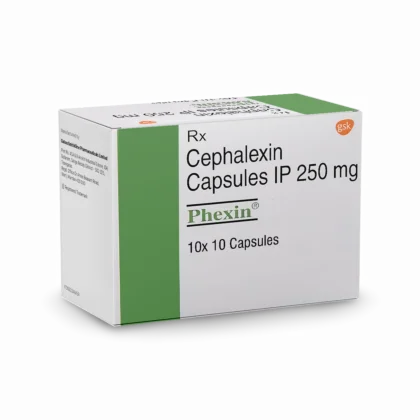
Targets bacterial infection pathways by disrupting cell wall synthesis to stop the growth and spread of bacteria.

Targets acne-causing bacteria and reduces skin inflammation through a dual-action antibiotic and vitamin-based formula.

Targets inflammatory skin conditions by reducing bacterial activity and calming the local immune response in skin.

Blocks bacterial production of essential folic acid to neutralize and prevent the spread of diverse bacterial infections.
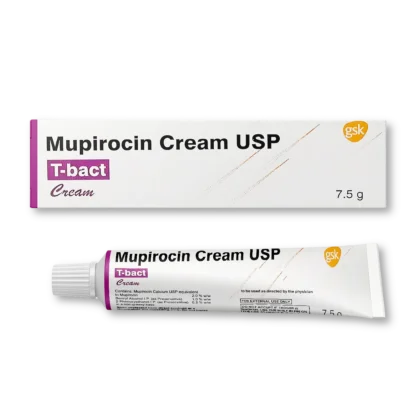
Inhibits bacterial protein synthesis to clear localized skin infections and stop the spread of harmful bacteria.

Targets bacterial cell wall synthesis to effectively address a variety of respiratory and urinary tract infections.
Antibiotics are pharmaceutical agents designed to combat infections caused by bacteria. They do not work against viral infections, such as the common cold or influenza. Because bacteria come in many types and infect different parts of the body, these medications are categorized by their chemical structure and how they interact with specific bacterial targets.
Medical providers select an antibiotic based on the type of bacteria suspected, the location of the infection, and a patient’s medical history. Using the correct type is essential, as bacteria may develop resistance when these medications are applied inappropriately or when treatment regimens are not followed as directed by a healthcare professional.
Treating bacterial infections involves identifying the most appropriate class of medication to neutralize the pathogen without causing unnecessary strain on the body. Different drug classes exist because bacteria possess varying biological structures, and some classes are more effective than others for certain infection sites. Patients across international markets access these through standard pharmacy channels under the guidance of a healthcare provider.
Penicillins and their combinations, such as amoxicillin-clavulanate, work by disrupting the construction of bacterial cell walls. Macrolides, which include azithromycin and erythromycin, target the protein-building machinery inside bacterial cells to arrest their growth. Fluoroquinolones interfere with bacterial DNA replication, effectively stopping the bacteria from multiplying. Sulfonamides and tetracyclines employ different metabolic pathways to achieve similar results, often used for specific localized or systemic conditions.
The diversity within this category allows for targeted care based on the severity and type of bacterial presence.
These include penicillins and cephalosporins. By preventing bacteria from maintaining their structural integrity, these medications cause the bacteria to burst or fail to reproduce. They are often used for broad-spectrum coverage in respiratory or ear, nose, and throat infections.
Classes such as macrolides, tetracyclines, and lincosamides stop bacteria from creating the proteins they need to function. When a bacterium cannot produce these proteins, it cannot grow or repair itself. These are frequently used for respiratory tract infections and certain skin conditions.
Fluoroquinolones and sulfonamides belong to this group. By blocking the enzymes necessary for DNA replication or forcing the bacteria into starvation by interrupting nutrient synthesis, these medications stop the infection at a foundational level. These agents are often selected for urinary, gastrointestinal, or complex systemic infections.
Before beginning any course of antibiotics, one must ensure the infection is indeed bacterial, as these medications have no effect on viral pathogens. Patients should disclose any history of allergic reactions to specific groups, such as penicillins or sulfonamides, as cross-reactivity may occur. Informing a provider of current medications is necessary to avoid potential interactions that may alter the effectiveness of either treatment.
While generally well-tolerated, each class of antibiotics carries a distinct profile of potential reactions. Gastrointestinal upset is a frequently reported experience for many individuals, as these medications may disrupt the natural bacterial flora in the gut. Some classes may also increase sensitivity to sunlight or skin irritation, particularly when used in topical or high-dose oral formats.
Individual physiological factors, such as kidney or liver function, may influence how a body processes and clears these medications. Furthermore, certain antibiotics can interact with vitamins, minerals, or other systemic medications, potentially reducing absorption or increasing the risk of adverse outcomes. Product labeling and verified clinical sources remain the correct references for specific contraindications, interactions, and potential reactions.
Antibiotic Resistance : The ability of bacteria to evolve and withstand the effects of medications designed to kill them.
Broad-spectrum : A type of antibiotic that acts against a wide variety of different bacterial species.
Topical : A formulation applied directly to the skin or eyes to provide localized effect.
Systemic : Treatment that travels through the bloodstream to affect the entire body.
Antibiotics comprise varied classes of medications, each with specific chemical structures, targets, and clinical uses. Individual products listed in this category differ significantly in active ingredient, strength, and appropriate application. This page is for educational purposes and does not provide medical advice, diagnosis, or authorize self-directed treatment. Patients should always review individual product labeling and consult a healthcare professional to ensure the correct medication, dosage, and duration are used for their specific clinical circumstances.

Jun 12, 2026 ⋅ 5 min read
A professional overview of common side effects, adverse reactions, contraindications, and potential interactions associated with antibiotic medications.
Jun 12, 2026 ⋅ 6 min read
A guide to understanding antibiotics, their classifications, mechanisms of action, and core safety considerations for patients seeking information on bacterial infections.
Jun 12, 2026 ⋅ 5 min read
Understand how healthcare professionals differentiate between various antibiotic options, including factors like efficacy, dosage forms, and patient-specific needs.
Jun 12, 2026 ⋅ 5 min read
An educational overview of common antibiotic drug classes, exploring how these medications function, their typical clinical applications, and the distinct characteristics of each major group.
Jun 10, 2026 ⋅ 8 min read
A plain-language FAQ about how generic medicines are listed in the catalog.