
Azifast 500 Tablet
Targets bacterial protein synthesis with tissue persistence that enables short-course treatment regimens for common infections.
Medicine Details
Where to Buy Online
Choose an available external shop by region.
Azifast 500 Tablet: Azithromycin 500 mg Tablet
A generic medicine used for bacterial respiratory, skin, and ear infections. Azithromycin acts as the active compound here by preventing bacteria from producing the proteins they need to grow and multiply.
What Is Azifast 500 Tablet?
Azifast 500 Tablet is a generic formulation containing azithromycin as its active compound. It belongs to the macrolide class of medicines, which focus on putting a stop to bacterial growth rather than killing the bacteria outright. This formulation is used to address a range of bacterial infections that commonly affect the lungs, skin, ears, and some sexually transmitted conditions.
As a generic alternative to originator brands like Zithromax or Zmax, this tablet provides the same active compound in a standard strength. It is manufactured by Ipca Laboratories Ltd., adhering to standard pharmaceutical practices for the production of macrolide antibiotics.
How Is Azifast 500 Tablet Classified?
Across regulated markets including the United States, United Kingdom, Australia, and Canada, azithromycin is generally classified as a prescription-only medicine. This regulatory standard ensures that your specific infection is correctly identified, as this class of antibiotic does not address viral infections like the common cold or flu.
Access requirements can vary slightly depending on your location. While the requirement for a healthcare provider’s sign-off is consistent across these major markets, some regions offer pharmacist-led access for specific uncomplicated conditions. Always check the local regulations in your area, as these guidelines influence how you obtain and use this medicine.
Azifast 500 Tablet: Form and Available Strengths
Azifast 500 Tablet comes as a film-coated tablet containing 500 mg of azithromycin. This strength is commonly utilized for short-duration treatment courses where the medicine’s ability to remain active in your tissues for several days is an advantage. Ipca Laboratories Ltd. produces this tablet in a standard oral format designed for routine daily intake.
What Is Azifast 500 Tablet Used For?
This medicine addresses symptoms of clear bacterial origin. It is often chosen for respiratory infections, such as bronchitis or pneumonia, where the bacteria are sensitive to macrolide action.
Beyond chest infections, it assists with common skin infections and ear-related bacterial issues. It also plays a role in the care of certain sexually transmitted infections, providing a targeted approach to managing bacterial pathogens. Because it is an antibiotic, it should only be used when a bacterial cause is confirmed.
How Does Azithromycin Work in Azifast 500 Tablet?
Bacteria need specific proteins to survive and expand their colony, and azithromycin effectively cuts off those supply lines. It binds to the inner machinery of the bacterial cell, specifically the ribosome, which is the site where proteins are manufactured.
Once bound, the bacteria can no longer build the structural proteins or enzymes necessary for their life cycle. This slows their growth significantly, allowing your body’s own immune system to catch up and clear the remaining population. A unique benefit of this compound is its ability to accumulate inside your cells and tissues, which means it stays active in your system for several days even after you finish your last dose.
Where Azifast 500 Tablet Fits in Its Drug Class
Macrolide antibiotics represent a foundational group of medicines used to manage infections that might otherwise be stubborn or require longer courses of other therapies. Azithromycin is well-regarded in this class for its broad reach and its tendency to stay in your system longer than many other options.
Classes like these, which also include clindamycin and erythromycin, are chosen based on the type of bacteria involved and your personal health history. Physicians select this class when they need to ensure the medicine reaches deep into the affected tissues, rather than just circulating briefly in your bloodstream.
Safety Overview for Azifast 500 Tablet
What to check before using this medicine
Before starting, mention any history of allergic reactions to macrolide antibiotics to your provider. Certain heart conditions, particularly those involving irregular electrical rhythms, require careful consideration before choosing this class of medicine. If you are pregnant or breastfeeding, discuss the potential risks and benefits with your medical advisor.
Possible reactions and tolerability
Common responses to this medicine often involve your digestive system, such as mild stomach discomfort, nausea, or loose stools. These are generally temporary and tend to ease as your system adjusts to the medicine. Significant reactions or persistent distress should be noted and addressed with your healthcare provider immediately.
Interactions and health factors
Other medicines, especially those that also affect heart rhythm or blood thinning, can interact with this compound. Your liver and kidneys play a role in processing and clearing the product, so any existing issues with these organs mean your provider should review your treatment plan. Product labeling and verified clinical sources remain the correct references for specific contraindications, interactions, and potential reactions.
Finding Azifast 500 Tablet Online
- Patients in the United States, United Kingdom, Australia, Canada, and similar markets search for this medicine through online pharmacy directories and health platforms before speaking with a local provider.
- Many people search for generic forms of azithromycin to compare common tablet strengths before a consultation.
- Researching the availability of different brand and generic versions is a common step for those wanting to discuss the best options with their doctor.
- Users often look up the medication to confirm the manufacturer and verify the form when they are traveling or relocating.
Important Safety Information for Azifast 500 Tablet
Azifast 500 Tablet functions through azithromycin, a potent antibiotic intended specifically for bacterial infections. Because formulations, strengths, and specific directions can differ across products, you should always consult your product labeling for accurate guidance. This page does not authorize clinical application, self-directed interpretation, or unsupervised use of any antibiotic. Always review the product details against your own health situation and speak with a healthcare professional to ensure this treatment is appropriate for your specific clinical needs.
Usually available as
- 30 Tablet/sGRM584-30 Tablet/s
- 60 Tablet/sGRM584-60 Tablet/s
- 90 Tablet/sGRM584-90 Tablet/s
Related Medicines
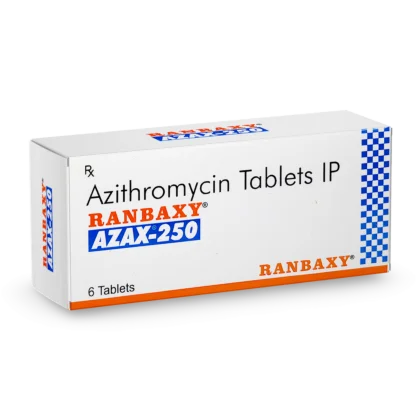
Azax 250 mg
Targets bacterial protein synthesis with tissue persistence that enables efficient, short-course treatment for various infections.
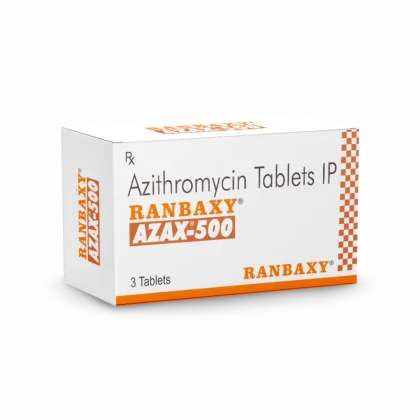
Azax 500 mg
Targets bacterial protein synthesis with tissue persistence that enables short-course treatment for various infections.

Azee 1000 mg
Targets bacterial protein synthesis through azithromycin, which remains active in tissue for several days after dosing.
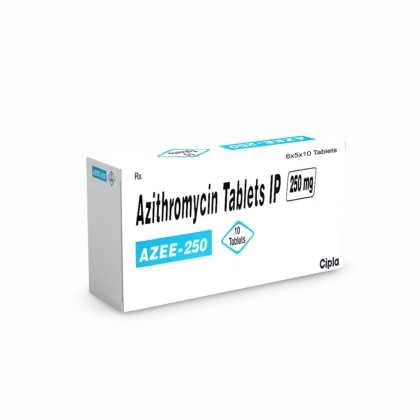
Azee 250 Mg
Targets bacterial protein synthesis with tissue persistence that enables short-course treatment for various common infections.
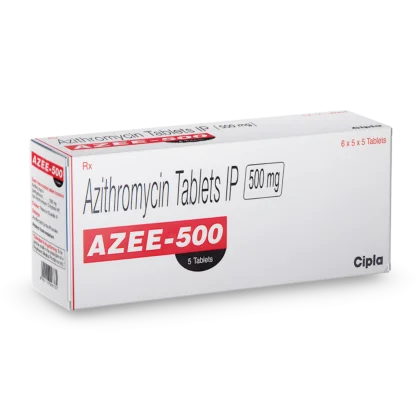
Azee 500 Mg
Targets bacterial protein synthesis with tissue persistence that enables short-course treatment for various common infections.
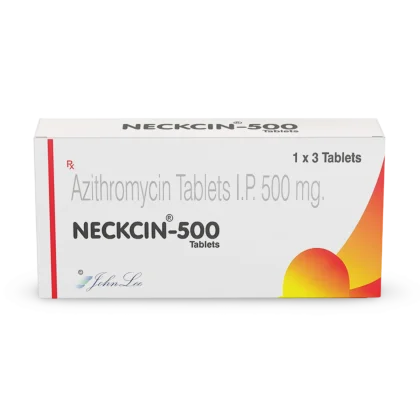
Neckcin 500 Mg Tablet
Targets specific types of bacterial protein synthesis with tissue persistence that enables short-course treatment schedules.
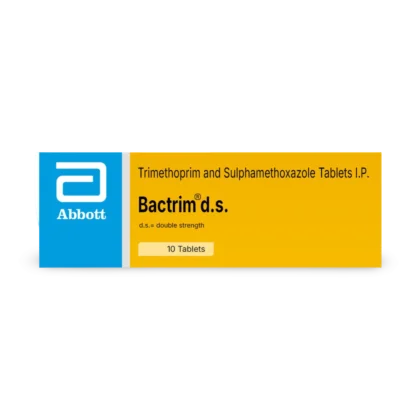
Bactrim DS Tablet
Targets bacterial growth by blocking essential folate synthesis, providing broad-spectrum coverage for common respiratory and urinary conditions.
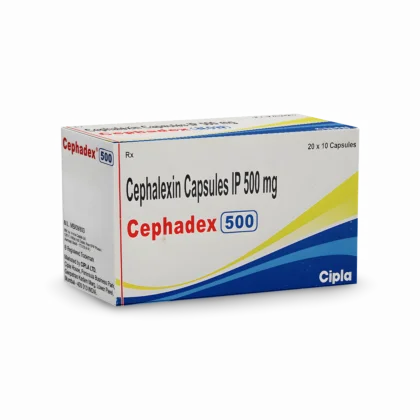
Cephadex 500 mg
Blocks bacterial cell wall formation to stop the growth and spread of sensitive bacterial infections.
Related Articles

Jun 12, 2026 ⋅ 5 min read
Antibiotics Medication Side Effects, Risks, and Interactions
A professional overview of common side effects, adverse reactions, contraindications, and potential interactions associated with antibiotic medications.
Jun 12, 2026 ⋅ 6 min read
Antibiotics Medications: Complete List, Uses, and Treatment Guide
A guide to understanding antibiotics, their classifications, mechanisms of action, and core safety considerations for patients seeking information on bacterial infections.
Jun 12, 2026 ⋅ 5 min read
Comparing Antibiotics Medications: Differences, Efficacy, and Options
Understand how healthcare professionals differentiate between various antibiotic options, including factors like efficacy, dosage forms, and patient-specific needs.
Jun 12, 2026 ⋅ 5 min read
Types of Antibiotics Medications: Drug Classes and How They Work
An educational overview of common antibiotic drug classes, exploring how these medications function, their typical clinical applications, and the distinct characteristics of each major group.