

Azax 250 mg
Targets bacterial protein synthesis with tissue persistence that enables efficient, short-course treatment for various infections.
 Chlamydia and Bacterial Infections Medications
 Navigating the health concerns following a potential exposure to sexually transmitted infections can feel overwhelming, yet understanding your treatment path provides a clear sense of control. Seven formulations are listed below, specifically covering macrolide antibiotics such as azithromycin. These medications effectively address bacterial growth, supporting your path toward recovery and health management.
Targets bacterial protein synthesis with tissue persistence that enables efficient, short-course treatment for various infections.

Targets bacterial protein synthesis with tissue persistence that enables short-course treatment for various infections.

Targets bacterial protein synthesis through azithromycin, which remains active in tissue for several days after dosing.
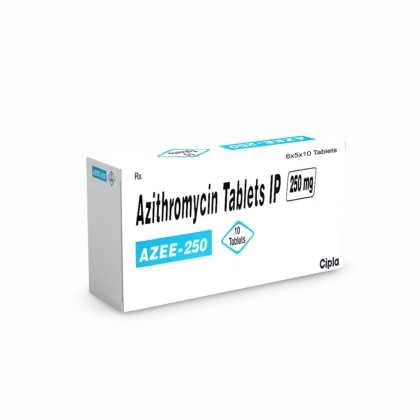
Targets bacterial protein synthesis with tissue persistence that enables short-course treatment for various common infections.

Targets bacterial protein synthesis with tissue persistence that enables short-course treatment for various common infections.

Targets bacterial protein synthesis with tissue persistence that enables short-course treatment regimens for common infections.

Targets specific types of bacterial protein synthesis with tissue persistence that enables short-course treatment schedules.
Discovering an infection or undergoing testing often brings up meaningful health questions. Bacterial infections, such as those caused by Chlamydia trachomatis, remain common and are frequently identified through routine screening. These infections develop when bacteria colonize the reproductive tract, which may result in discomfort, unusual discharge, or, in many cases, no noticeable symptoms at all.
Left unaddressed, these bacterial conditions can impact long-term reproductive health and increase vulnerability to other health complications. Because these pathogens rely on structural replication within the body, they do not resolve on their own. Recognizing that this is a manageable condition is the first step toward effective health maintenance and preventing the spread of the infection to others.
Treatment approaches for these infections focus on the use of antibiotics to neutralize the underlying bacteria. Macrolide antibiotics represent a primary class for this purpose. These medications work by inhibiting the ability of bacterial cells to synthesize essential proteins, which halts their multiplication and allows the immune system to clear the remaining infection from the body.
Access to these treatments varies across international markets such as the United States, United Kingdom, Australia, and Canada, typically requiring a formal diagnosis and provider authorization. Because different bacterial strains react uniquely to various pharmaceutical agents, clinical assessment remains the priority. The goal is to choose the correct antibiotic course that aligns with current regional treatment guidelines for specific bacterial types.
Understanding the role of macrolides helps you discuss your options with a healthcare provider. These antibiotics are often selected for their ability to achieve high concentrations in infected tissues, providing a targeted approach to clearing the bacteria.
Macrolide medications, which encompass various azithromycin formulations, serve as a common intervention. They are often noted for their long activity profile within the body, which can sometimes allow for simplified dosing schedules compared to other antibiotic types. These formulations are available in various strengths to ensure the appropriate amount of medication is utilized for the specific duration required.
The range of available strengths and tablet formats serves to accommodate different treatment protocols. While some cases require a single, concentrated dose, others may involve a multi-day regimen depending on the nature of the infection and individual health needs. Choosing between these options is a clinical decision based on the specific bacteria identified and the patient’s individual treatment history.
It is essential to confirm the diagnosis through appropriate testing before considering any antibiotic therapy. Antibiotics are highly specific; using them without a clinical need or for the wrong type of infection does not yield the intended result. Discuss any known allergies, especially to macrolides, to ensure the chosen medication is suitable for your health profile.
Common experiences when using systemic antibiotics include mild gastrointestinal adjustments, such as nausea or digestive changes, as the medication clears the bacteria. These reactions are generally temporary. If you observe persistent or severe discomfort, or signs of an allergic reaction like skin rashes or difficulty breathing, seek professional advice immediately.
Antibiotics may interact with other ongoing medications, including certain blood thinners, antacids, or specialized heart rhythm treatments. Providing your provider with a full list of your current medicines and underlying health conditions—particularly related to liver or heart function—is key. Product labeling and verified clinical sources remain the correct references for specific contraindications, interactions, and potential reactions.
This page provides an educational overview of bacterial infections and the medication categories listed—not medical advice. Individual products differ in active ingredient, formulation, strength, and directions. The page does not authorize self-directed selection, clinical interpretation, or unsupervised use. Readers should review individual product labeling and speak with a healthcare professional when clinical judgment is needed to ensure the treatment is appropriate for their specific case.