
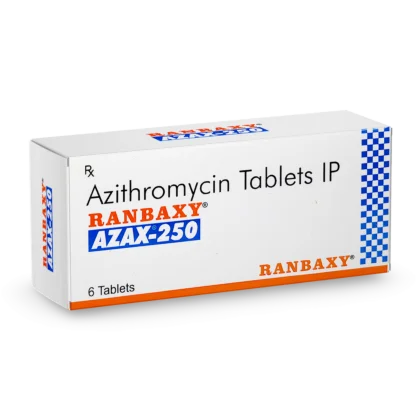
Azax 250 mg
Targets bacterial protein synthesis with tissue persistence that enables efficient, short-course treatment for various infections.
 Skin Infections Medications
 Skin infections often emerge as uncomfortable, painful, or persistent physical challenges that impact your daily sense of well-being. Whether presenting as localized rashes, cellulitis, or deeper abscesses, these infections require careful attention to support healing. The 11 formulations listed below provide oral antibiotic options, including macrolides (Azax, Azee, Azifast), cephalosporins (Cephadex, Phexin, Neckcin), and sulfonamides (Bactrim, Septran).
Targets bacterial protein synthesis with tissue persistence that enables efficient, short-course treatment for various infections.
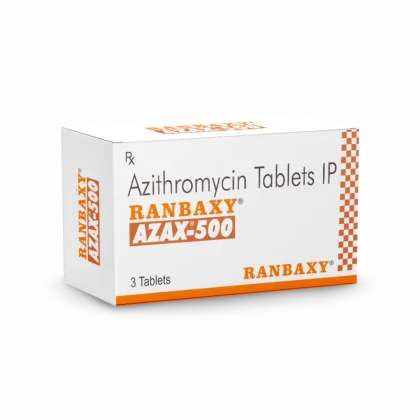
Targets bacterial protein synthesis with tissue persistence that enables short-course treatment for various infections.

Targets bacterial protein synthesis through azithromycin, which remains active in tissue for several days after dosing.
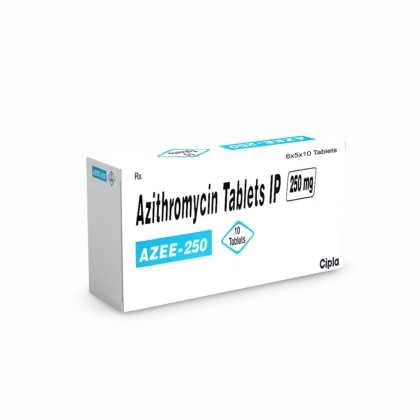
Targets bacterial protein synthesis with tissue persistence that enables short-course treatment for various common infections.
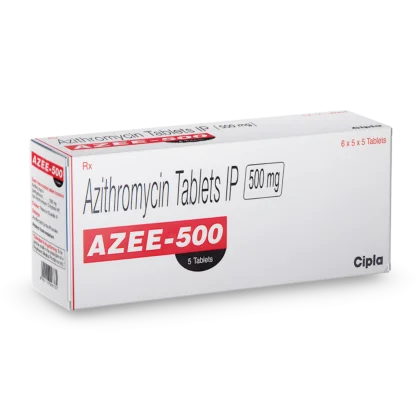
Targets bacterial protein synthesis with tissue persistence that enables short-course treatment for various common infections.
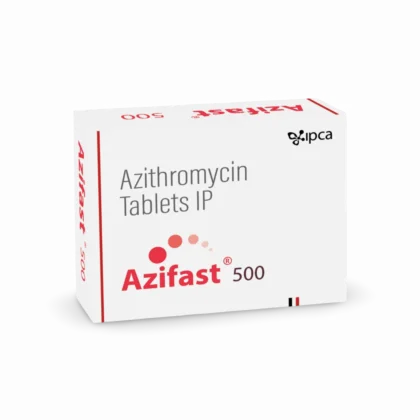
Targets bacterial protein synthesis with tissue persistence that enables short-course treatment regimens for common infections.

Targets bacterial growth by blocking essential folate synthesis, providing broad-spectrum coverage for common respiratory and urinary conditions.
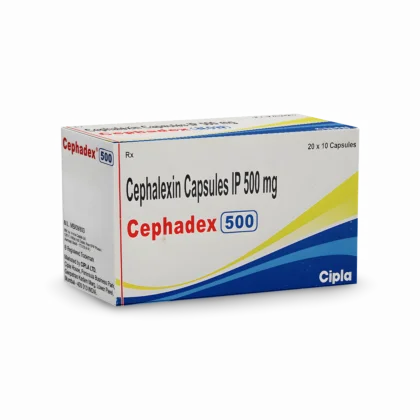
Blocks bacterial cell wall formation to stop the growth and spread of sensitive bacterial infections.

Targets specific types of bacterial protein synthesis with tissue persistence that enables short-course treatment schedules.

Targets bacterial infection pathways by disrupting cell wall synthesis to stop the growth and spread of bacteria.

Blocks bacterial production of essential folic acid to neutralize and prevent the spread of diverse bacterial infections.
Skin infections develop when bacteria enter through minor cuts, hair follicles, or compromised skin surfaces, triggering an immune response. This defensive effort often results in classic symptoms including tenderness, warmth, swelling, and redness at the site of infection. These conditions can range from superficial issues like impetigo to deeper tissue infections such as cellulitis or folliculitis.
Living with an active skin infection frequently causes physical discomfort and may interrupt your normal routine. Because the skin serves as the body’s primary protective barrier, keeping affected areas clean while addressing the underlying bacterial cause remains a priority. Prompt identification of the symptoms helps in determining the appropriate path for management under professional guidance.
Management of bacterial skin issues typically involves systemic antibiotics that work throughout the body to neutralize the infection. Broad-spectrum antibiotics are often chosen for their ability to target common bacteria, such as Staphylococcus or Streptococcus, which are frequently responsible for dermatological infections. The selection of a specific antibiotic depends on the suspected bacteria and the severity of the infection.
In clinical practice across major international health systems, healthcare providers assess the infection depth and your medical history before selecting an antibiotic class. Treatment may range from a short course of oral medication to longer durations for deeper tissues. Ensuring the full course of prescribed therapy is completed remains essential for effectively addressing the bacterial population.
Medications for these conditions are categorized by their chemical structure and the specific way they interfere with bacterial growth. Understanding these classes helps clarify how different agents interact with the body to promote healing.
Macrolides, such as those containing azithromycin, function by inhibiting bacterial protein synthesis. This action stops the bacteria from replicating effectively, allowing your immune system to clear the remaining infection. These are often used for various soft tissue infections and are known for their established role in dermatological treatments.
Cephalosporins relate to the penicillin family and act by interfering with the formation of the bacterial cell wall. Without a functional wall, the bacteria become unstable and eventually die. These medications are frequently utilized when treating skin structures that require a bactericidal, or bacteria-killing, approach to prevent the infection from spreading deeper into the surrounding tissue.
Sulfonamides, including combination products like trimethoprim and sulfamethoxazole, work by blocking the production of essential nutrients required by bacteria. By starving the bacteria of these building blocks, the medication prevents their growth and proliferation. Combination formulations are designed to address a wider range of bacterial strains often involved in chronic or resistant skin infections.
Before beginning any antibiotic, share your history of medication allergies with a provider. Some individuals may experience sensitivities to specific classes, such as penicillin or sulfa drugs, which necessitates selecting an alternative. Providing a complete list of current medications is essential to avoid potential drug interactions that could affect how the body processes your antibiotic.
Antibiotics may sometimes cause changes in your digestive process, as they can alter the balance of beneficial bacteria in your gut. Common reactions might include mild stomach discomfort or nausea. Identifying if you have a history of digestive issues can help a provider suggest supportive care or select a formulation that may be better tolerated during your recovery.
Your kidney and liver functions play a significant role in how your body processes and clears medications. If you have pre-existing conditions affecting these organs, mention them to your provider, as dosage adjustments may be necessary. Product labeling and verified clinical sources remain the correct references for specific contraindications, interactions, and potential reactions.
This page provides an educational overview of skin infections and the medication categories listed — not medical advice. Individual products differ in active ingredient, formulation, strength, and directions. The page does not authorize self-directed selection, clinical interpretation, or unsupervised use. Readers should review individual product labeling and speak with a healthcare professional when clinical judgment is needed.