
Bactrim DS Tablet
Targets bacterial growth by blocking essential folate synthesis, providing broad-spectrum coverage for common respiratory and urinary conditions.
Medicine Details
- Manufacturer
Where to Buy Online
Choose an available external shop by region.
Bactrim DS Tablet: Sulfamethoxazole and Trimethoprim
Used to address urinary tract, respiratory, and skin infections, this branded medicine contains the combination of sulfamethoxazole and trimethoprim. These two compounds work together as a dual-action agent that stops bacteria from multiplying, which helps your immune system clear the infection more efficiently.
What Is Bactrim DS Tablet?
Bactrim DS Tablet is a branded formulation containing sulfamethoxazole and trimethoprim as its active compounds. It belongs to the sulfonamide class of antibiotics, commonly referred to as co-trimoxazole. This medicine is recognized globally for its role in clinical care, often used when healthcare providers identify susceptible bacterial targets.
Manufactured by Abbott Healthcare Pvt. Ltd., this formulation leverages the synergy between its two active agents. While many antibiotics focus on a single process, the combination in this tablet hits the same bacterial pathway at two different points. This approach aims to provide broader coverage and makes it more difficult for bacteria to develop resistance to the treatment.
How Is Bactrim DS Tablet Classified?
Across regulated markets including the United States, United Kingdom, Australia, and Canada, medicines containing the combination of sulfamethoxazole and trimethoprim are strictly classified as prescription-only medications. This regulatory status ensures that their use remains closely tied to professional diagnostic oversight, as bacterial infections require specific identification to determine if this combination is the appropriate course of action.
In the United Kingdom and Australia, you will generally find this medicine categorized under standardized pharmacy-only distribution protocols that require a doctor’s authorization. In the United States and Canada, the regulatory framework similarly demands that a licensed healthcare professional reviews your health context before you receive the medication. These requirements exist because antibiotic use carries specific implications for your long-term health and the broader community’s resistance levels.
Bactrim DS Tablet: Form and Available Strengths
Bactrim DS Tablet comes as an oral tablet designed for systemic treatment of various bacterial conditions. The “DS” signifies a “Double Strength” formulation, combining 800 mg of sulfamethoxazole with 160 mg of trimethoprim. Abbott Healthcare Pvt. Ltd. produces this specific concentration to simplify administration for conditions requiring a higher potency.
It is important to note that these strengths represent versions commonly found on health platforms. Other formulations of co-trimoxazole exist, including regular-strength tablets and liquid suspensions, which may be selected based on the specific type of infection or the patient’s individual needs.
What Is Bactrim DS Tablet Used For?
This medicine addresses symptoms associated with various bacterial infections. It is frequently employed to manage acute urinary tract infections, where it assists in clearing the bacterial colonies causing inflammation and irritation. By targeting the source of the infection in your bladder or urinary tract, it helps resolve the discomfort associated with these conditions.
Beyond urinary concerns, it is used to manage certain respiratory tract infections, such as those affecting your sinuses or bronchial tubes. It also plays a role in skin infections where localized bacteria have caused significant inflammation. Whatever the location of the infection, this medication works systemically once absorbed into your bloodstream to stop the proliferation of harmful bacteria.
How Do Sulfamethoxazole and Trimethoprim Work in Bactrim DS Tablet?
Bacteria need folic acid—a basic nutrient—to grow and replicate, just as your cells do. However, bacteria make their own folic acid from scratch, while you get yours from your diet. Sulfamethoxazole and trimethoprim are experts at blocking this specific production process.
When you take the tablet, sulfamethoxazole shuts down the first step of folate production. Trimethoprim then steps in to block the second step. By interrupting this pathway at two different points, the bacteria are essentially starved of the folate they need to replicate. Once their growth cycle is halted, the bacteria die off or become vulnerable enough for your natural immune defenses to clean them up completely.
Where Bactrim DS Tablet Fits in Its Drug Class
Bactrim DS Tablet sits in the sulfonamide class, often grouped with the broader category of anti-infectives. It is unique because it combines two different types of antimicrobial agents into one tablet. This combination is often contrasted with single-agent antibiotics like Nitrofurantoin, Ciprofloxacin, or Amoxicillin/clavulanic acid, which operate through different biochemical pathways.
Because the combination targets bacteria so thoroughly, it remains a common choice for many infections. It is not designed to cover all types of bacteria, but it covers a wide spectrum of common pathogens that cause the infections it is documented to manage.
Safety Overview for Bactrim DS Tablet
What to check before using this medicine
Before using this medicine, verify that you do not have a known sensitivity to sulfonamides. Mention any existing kidney or liver conditions to your provider, as your body uses these organs to filter and process the active compounds.
Possible reactions and tolerability
You might notice common side effects like mild digestive discomfort or nausea, which are common when starting an antibiotic. Monitor your skin for any unusual rashes or sensitivity to sunlight, as these are known, though less common, reactions associated with this class of medicine.
Interactions and health factors
Tell your provider about any other regular medicines you follow, especially diuretics or blood thinners. Some medicines can interact with this combination, changing how it stays in your blood. Product labeling and verified clinical sources remain the correct references for specific contraindications, interactions, and potential reactions.
Finding Bactrim DS Tablet Online
- Patients in the United States, United Kingdom, Australia, Canada, and similar markets search for Bactrim and similar co-trimoxazole brands through online pharmacy directories and health platforms before speaking with a local provider.
- Many users look up the availability of double-strength tablets online to understand their options before visiting a clinical facility.
- You may find people comparing generic forms of sulfamethoxazole and trimethoprim to identify if a product matches the strength or form recommended by their doctor.
- Some individuals check local availability when traveling or relocating to ensure they can maintain their record of care.
References
Important Safety Information for Bactrim DS Tablet
This information provides an educational overview of the active compounds sulfamethoxazole and trimethoprim as found in Bactrim DS Tablet and does not constitute medical advice. Formulations and strengths may differ, and this overview does not authorize clinical application, self-directed interpretation, or unsupervised use of the product. Always review the official product labeling, compare it with your own specific health history, and speak with a qualified healthcare professional when clinical judgment regarding your treatment is needed.
Usually available as
- 500 Tablet/sGRM361-500 Tablet/s
- 1000 Tablet/sGRM361-1000 Tablet/s
- 1500 Tablet/sGRM361-1500 Tablet/s
Related Medicines
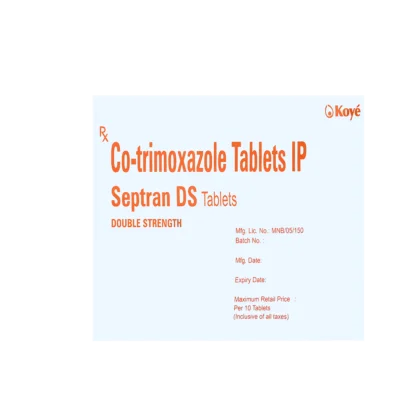
Septran DS 800 Mg/160 Mg
Blocks bacterial production of essential folic acid to neutralize and prevent the spread of diverse bacterial infections.
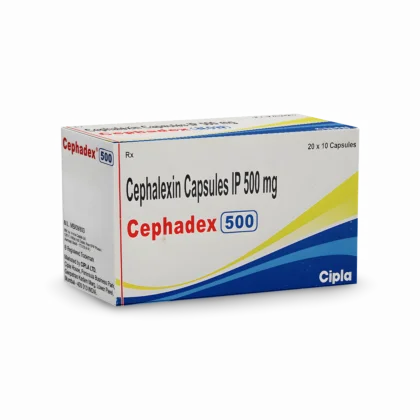
Cephadex 500 mg
Blocks bacterial cell wall formation to stop the growth and spread of sensitive bacterial infections.
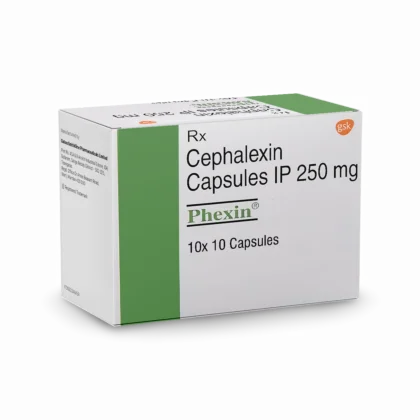
Phexin 250 Mg
Targets bacterial infection pathways by disrupting cell wall synthesis to stop the growth and spread of bacteria.
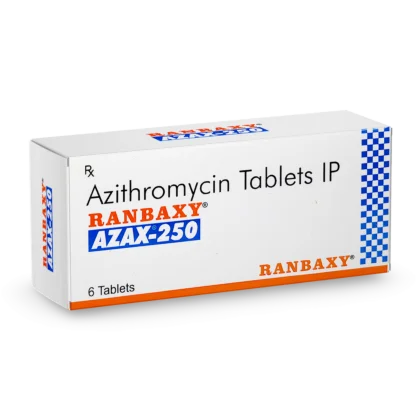
Azax 250 mg
Targets bacterial protein synthesis with tissue persistence that enables efficient, short-course treatment for various infections.
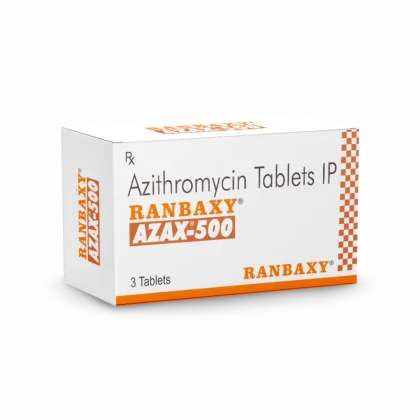
Azax 500 mg
Targets bacterial protein synthesis with tissue persistence that enables short-course treatment for various infections.

Azee 1000 mg
Targets bacterial protein synthesis through azithromycin, which remains active in tissue for several days after dosing.
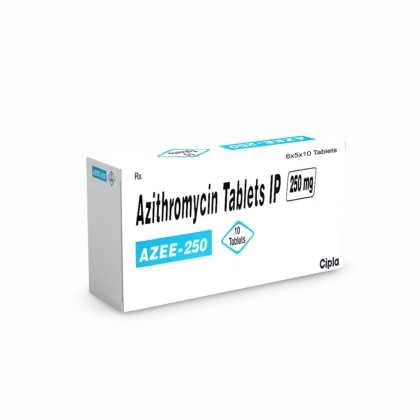
Azee 250 Mg
Targets bacterial protein synthesis with tissue persistence that enables short-course treatment for various common infections.
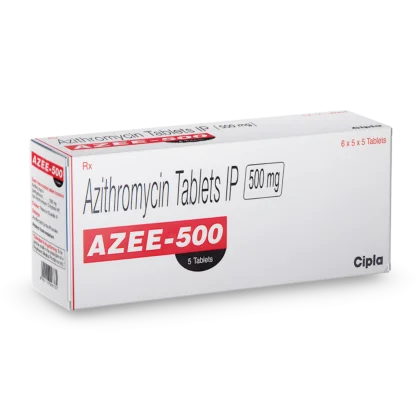
Azee 500 Mg
Targets bacterial protein synthesis with tissue persistence that enables short-course treatment for various common infections.
Related Articles

Jun 12, 2026 ⋅ 5 min read
Antibiotics Medication Side Effects, Risks, and Interactions
A professional overview of common side effects, adverse reactions, contraindications, and potential interactions associated with antibiotic medications.
Jun 12, 2026 ⋅ 6 min read
Antibiotics Medications: Complete List, Uses, and Treatment Guide
A guide to understanding antibiotics, their classifications, mechanisms of action, and core safety considerations for patients seeking information on bacterial infections.
Jun 12, 2026 ⋅ 5 min read
Comparing Antibiotics Medications: Differences, Efficacy, and Options
Understand how healthcare professionals differentiate between various antibiotic options, including factors like efficacy, dosage forms, and patient-specific needs.
Jun 12, 2026 ⋅ 5 min read
Types of Antibiotics Medications: Drug Classes and How They Work
An educational overview of common antibiotic drug classes, exploring how these medications function, their typical clinical applications, and the distinct characteristics of each major group.