
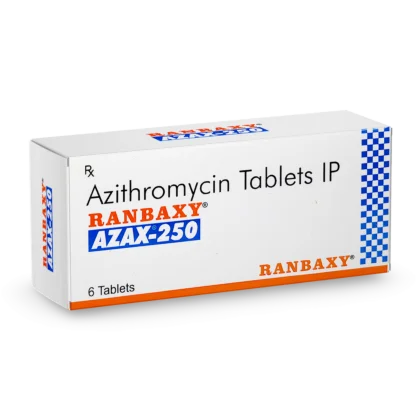
Azax 250 mg
Targets bacterial protein synthesis with tissue persistence that enables efficient, short-course treatment for various infections.
Azithromycin (Zithromax) is a widely recognized macrolide antibiotic used to treat diverse bacterial infections, from respiratory issues to skin conditions. Seven generic formulations are listed below, including Azax, Azee, Azifast, and Neckcin in various strengths. These options provide different pathways for addressing bacterial growth without requiring specific originator brand access.
Targets bacterial protein synthesis with tissue persistence that enables efficient, short-course treatment for various infections.
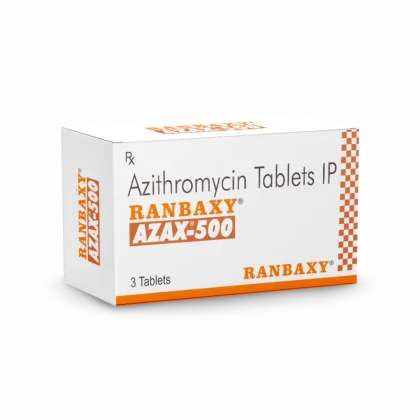
Targets bacterial protein synthesis with tissue persistence that enables short-course treatment for various infections.

Targets bacterial protein synthesis through azithromycin, which remains active in tissue for several days after dosing.
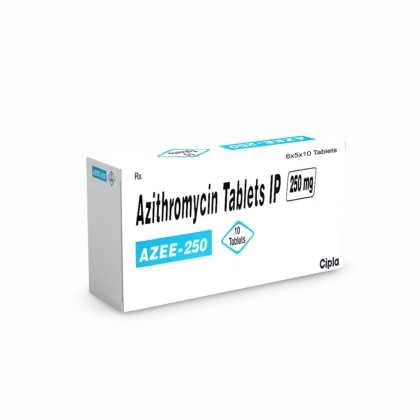
Targets bacterial protein synthesis with tissue persistence that enables short-course treatment for various common infections.
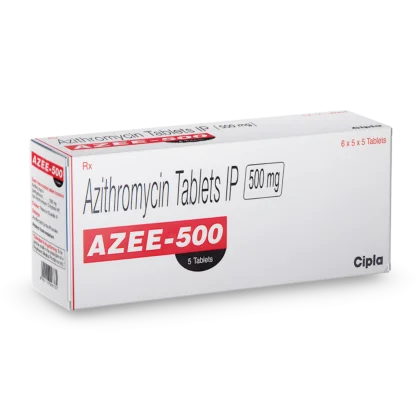
Targets bacterial protein synthesis with tissue persistence that enables short-course treatment for various common infections.

Targets bacterial protein synthesis with tissue persistence that enables short-course treatment regimens for common infections.
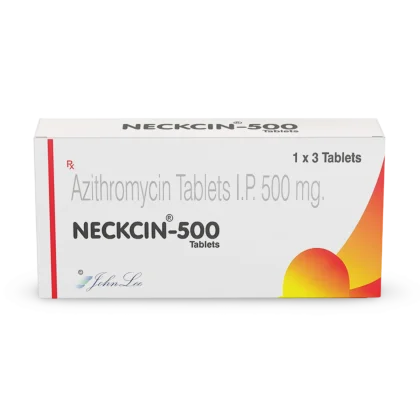
Targets specific types of bacterial protein synthesis with tissue persistence that enables short-course treatment schedules.
Azithromycin is a broad-spectrum antibiotic that belongs to the macrolide class. Unlike some medicines that kill bacteria directly, it works by stopping bacteria from producing the proteins they need to grow and multiply. Once the bacteria can no longer build these essential components, the infection process slows down, allowing your immune system to clear the remaining pathogens.
Because this compound stays in your body’s tissues for a relatively long time compared to other antibiotics, it often allows for shorter treatment cycles. Doctors frequently pick this medication for patients dealing with respiratory tract infections, ear infections, or specific skin-related bacterial issues. Its ability to concentrate within cells where bacteria often hide makes it a frequent choice for targeting intracellular pathogens.
Azithromycin is a regulated pharmaceutical ingredient across the United States, United Kingdom, Australia, and Canada, as well as in other international markets. Because it is an antibiotic, it is classified globally as a prescription-only medication. This regulation ensures that its use is supervised by a healthcare provider who can confirm that the infection is indeed bacterial and not viral, where antibiotics would be ineffective.
Requirements for obtaining these medications can vary significantly depending on where you are. In some international markets, local pharmacies may have different processes for verifying your clinical need before dispensing. Always confirm the local legal framework in your region, as this ensures your use of the medication aligns with regional healthcare standards.
This medication is used to manage a wide variety of bacterial infections. It effectively addresses symptoms of respiratory tract conditions like bronchitis or pneumonia and is frequently turned to for middle ear infections. Beyond these, it manages certain skin and soft tissue infections and is also used for specific sexually transmitted infections.
By interrupting the reproductive cycle of susceptible bacteria, the medicine helps your body regain control over the site of infection. Note that it is strictly for bacterial targets. It does not address the common cold, the flu, or any other viral health concerns.
The medication enters your system and binds to the 50S ribosomal subunit of the bacteria. Think of the ribosome as a tiny factory within the bacterial cell responsible for assembling proteins. By attaching to this factory, the medicine jams the machinery, preventing the bacteria from creating the proteins vital for their survival and reproduction.
Since the bacteria can no longer build their structural components, they stop spreading. This “bacteriostatic” effect is particularly helpful because it does not trigger the rapid release of bacterial toxins that can sometimes occur when bacteria are killed too quickly. Your body then naturally clears the dormant population.
Azithromycin is a member of the macrolide family, a group of antibiotics known for their large chemical structure and ability to penetrate tissues effectively. Most medicines in this class share a similar mechanism, focusing on protein synthesis inhibition. They are often favored for their high tissue concentration and long half-life, meaning they remain active in your system for several days after your last dose.
This class is considered a reliable tool for patients who may have sensitivities to common alternatives like penicillin. While they share common chemical traits, each specific medicine within the group has a unique profile regarding which types of bacteria it targets most effectively.
Before starting this medication, it is essential to disclose any history of heart rhythm irregularities or liver conditions to your provider. Certain health factors can influence how your body handles the medicine, and your history must be reviewed to ensure it remains a suitable choice for your specific health profile.
Common reactions are often related to the digestive system, as antibiotics can temporarily shift the balance of bacteria in your gut. Some people may encounter mild discomfort or changes in digestion while their system adjusts to the treatment. If you experience persistent symptoms, it is standard practice to reach out for professional clinical guidance.
This medicine can interact with other compounds, including certain heart medications or supplements that affect heart rhythm. Always provide a full list of your current medications during your consultation to avoid potential overlaps. Product labeling and verified clinical sources remain the correct references for specific contraindications, interactions, and potential reactions.
This educational overview of Azithromycin is provided for informational purposes and does not constitute medical advice, diagnosis, or treatment. Individual products containing this ingredient may differ in formulation, strength, and specific usage directions. This page does not authorize clinical application, self-directed interpretation, or unsupervised use of any listed medication. You should always review individual product labeling and speak directly with a qualified healthcare professional when clinical judgment is needed for your specific health situation.

Jun 12, 2026 ⋅ 5 min read
A professional overview of common side effects, adverse reactions, contraindications, and potential interactions associated with antibiotic medications.
Jun 12, 2026 ⋅ 6 min read
A guide to understanding antibiotics, their classifications, mechanisms of action, and core safety considerations for patients seeking information on bacterial infections.
Jun 12, 2026 ⋅ 5 min read
Understand how healthcare professionals differentiate between various antibiotic options, including factors like efficacy, dosage forms, and patient-specific needs.
Jun 12, 2026 ⋅ 5 min read
An educational overview of common antibiotic drug classes, exploring how these medications function, their typical clinical applications, and the distinct characteristics of each major group.