
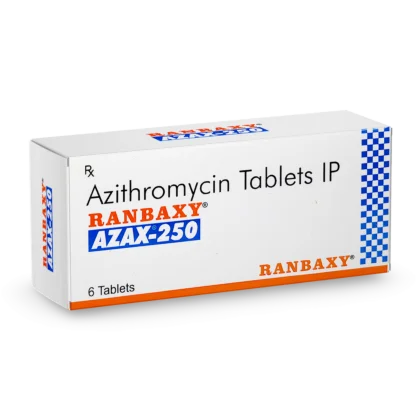
Azax 250 mg
Targets bacterial protein synthesis with tissue persistence that enables efficient, short-course treatment for various infections.
 Bacterial Respiratory Infections Medications
 Feeling the weight of a persistent cough or the fatigue that accompanies a stubborn lung infection can take a significant toll on your daily life. When you are facing an illness that keeps you from your usual energy levels, finding the right support is a priority. Eight formulations are listed below, covering macrolide and cephalosporin antibiotics.
Targets bacterial protein synthesis with tissue persistence that enables efficient, short-course treatment for various infections.

Targets bacterial protein synthesis with tissue persistence that enables short-course treatment for various infections.

Targets bacterial protein synthesis through azithromycin, which remains active in tissue for several days after dosing.

Targets bacterial protein synthesis with tissue persistence that enables short-course treatment for various common infections.

Targets bacterial protein synthesis with tissue persistence that enables short-course treatment for various common infections.

Targets bacterial protein synthesis with tissue persistence that enables short-course treatment regimens for common infections.

Targets specific types of bacterial protein synthesis with tissue persistence that enables short-course treatment schedules.

Targets bacterial cell wall synthesis to effectively address a variety of respiratory and urinary tract infections.
Bacterial respiratory infections occur when harmful bacteria, such as Streptococcus pneumoniae or Haemophilus influenzae, colonize the structures of your airway. Unlike viral infections, which typically resolve on their own, these conditions often require targeted antibiotic support to stop the bacteria from multiplying and causing further inflammation in your lungs or sinuses.
You might experience these infections across different areas of the respiratory tract, including the throat, bronchi, or deep within the lung tissue. Symptoms often develop as a persistent cough, mucus production, localized chest discomfort, and systemic reactions like fever or exhaustion. Understanding the nature of the infection is the first step toward finding relief.
Treatment centers on the use of antibiotics, which are substances that either kill bacteria directly or prevent them from growing. The class of antibiotic chosen depends on the specific bacteria involved, your medical background, and your history of antibiotic use. Macrolides and cephalosporins are two common categories used to address these infections.
Access to these medications varies significantly across international markets like the United States, United Kingdom, Australia, and Canada. In many of these regions, antibiotics remain strictly regulated and require a clinical evaluation to ensure they are the correct choice for your specific health needs. These medicines do not address viruses, meaning an accurate diagnosis is essential for effective treatment.
Antibiotics work through specific mechanisms suited to the structural weaknesses of different bacterial strains. Recognizing how these classes function can provide better context when you discuss your signs and symptoms with a healthcare professional.
Macrolides work by inhibiting the production of proteins that bacteria need to survive and replicate. They are frequently used for respiratory tract issues due to their ability to penetrate lung tissue effectively. These formulations are often chosen when your infection involves strains that may be resistant to other common antibiotic options.
Cephalosporins act by disrupting the synthesis of the bacterial cell wall, effectively weakening the organism until it can no longer sustain itself. They are categorized into generations based on their activity against different types of bacteria. This class is widely used for various respiratory illnesses, ranging from mild sinus congestion to more complex lower respiratory tract conditions.
It is vital to confirm that your symptoms arise from a bacterial source rather than a viral one, as antibiotics are ineffective against viruses. Sharing your allergies, particularly regarding penicillin or other antibiotic classes, is a mandatory step before any treatment begins. Ensure your provider is aware of your complete medical history, including any previous reactions to medication.
Antibiotic therapy often impacts your natural internal bacterial balance, which can lead to digestive discomfort or other mild side effects. Monitoring how your body responds to the specific medication class is important. Any severe change, such as a rash, difficulty breathing, or persistent swelling, requires immediate medical attention as these can signal an intolerant reaction.
Your liver and kidneys play a central role in processing and clearing antibiotics from your system; underlying health issues in these areas may require your provider to adjust treatment plans. Certain other medications, including blood thinners or antacids, can interact with antibiotics, altering your results. Always disclose any current supplements or drugs you are taking to your provider. Product labeling and verified clinical sources remain the correct references for specific contraindications, interactions, and potential reactions.
This page provides an educational overview of bacterial respiratory infections and the medication categories listed — not medical advice. Individual products differ in active ingredient, formulation, strength, and directions. The page does not authorize self-directed selection, clinical interpretation, or unsupervised use. Readers should review individual product labeling and speak with a healthcare professional when clinical judgment is needed.