
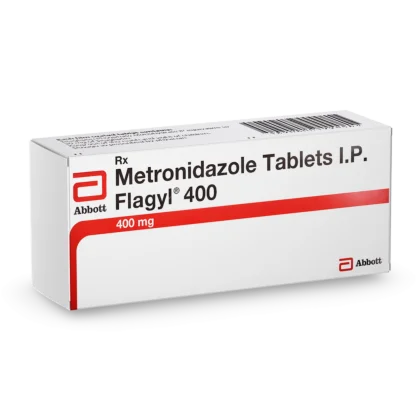
Flagyl 400 mg
Disrupts the DNA of anaerobic bacteria and parasites to resolve infections in the gut and reproductive system.
Metronidazole (Flagyl) is an effective antibiotic and antiprotozoal agent used to address diverse infections in the body. Two formulations are listed below—Flagyl 400 mg tablets and Roza Gel 30 gm—representing both oral treatment options and topical applications for specific skin-related concerns across international markets.
Disrupts the DNA of anaerobic bacteria and parasites to resolve infections in the gut and reproductive system.
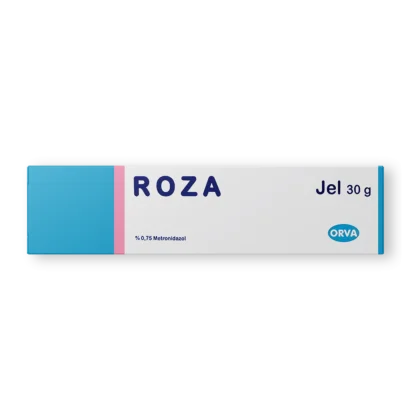
Targets inflammatory skin conditions by reducing bacterial activity and calming the local immune response in skin.
You might encounter this compound under the well-known originator brand Flagyl. It belongs to the nitroimidazole class of medications. Unlike broad-spectrum antibiotics that target a vast array of bacteria, this compound is highly specific, focusing primarily on anaerobic bacteria—those that thrive in environments without oxygen—and certain protozoa, which are single-celled organisms.
Because it addresses such a distinct group of pathogens, healthcare providers often recommend it when tests show that specific anaerobic bacteria are causing an infection. The presence of both oral and topical versions allows for targeted action, whether you need to address a systemic infection or a localized skin condition.
In countries across the United States, United Kingdom, Australia, and Canada, metronidazole is strictly regulated and generally requires a prescription from a licensed healthcare provider. Because it acts on specific biological pathways, using the correct strength and duration is essential to ensure the infection is fully addressed without contributing to antibiotic resistance.
Regulations regarding access often vary between the regions of the United States, United Kingdom, Australia, and Canada. While oral systemic versions typically remain under professional control due to their potency, topical applications might occasionally be managed differently depending on the concentration and purpose. Always ensure that the medication is obtained through verified pharmaceutical channels to guarantee the quality of the compound.
This medication addresses a wide variety of conditions caused by microorganisms. For systemic infections, it is frequently used to manage bacterial vaginosis, trichomoniasis, and certain pelvic or abdominal infections. It also assists in the recovery from anaerobic bacterial infections that can occur in the skin, respiratory tract, or joints.
When formulated as a topical gel, such as Roza Gel, it is often used for skin conditions like rosacea. It assists in reducing the inflammation and redness associated with these dermatological issues by targeting the microbes that may contribute to the irritation of your skin cells.
This compound works by entering the cells of bacteria or protozoa and interacting with their internal chemistry. It is converted into a reactive form that specifically damages the genetic material—the DNA—of the invading organism. By breaking these DNA strands, the medication prevents the microbes from replicating and repairing themselves.
Since human cells do not possess the specific mechanisms required to activate the compound in this way, it remains relatively targeted toward the pathogens causing your infection. This mechanism is what makes it so effective at stopping an infection at its source rather than simply slowing down the spread of the pathogens.
As a member of the nitroimidazole family, this compound shares characteristics with other specialized antimicrobials. The chemical structure of this class includes a nitrogen-containing ring that is responsible for its unique ability to thrive in and combat low-oxygen environments.
Members of this class are valued for their high bioavailability, meaning that when you take the oral form, a large portion of the active ingredient successfully reaches your bloodstream. This efficiency allows the compound to maintain effective steady levels in your system to keep the infection in check.
Advise your healthcare provider if you have any history of liver impairment, neurological conditions, or blood disorders. Discuss any current medications you are taking, as the way your body processes this compound can be affected by other substances.
Common responses can include gastrointestinal discomfort, a metallic taste, or localized skin irritation if using the topical gel. Because of how the compound interacts with your system, alcohol consumption is often discouraged during treatment to avoid severe physical reactions.
This medication may interact with blood-thinning agents or certain seizure medications. Product labeling and verified clinical sources remain the correct references for specific contraindications, interactions, and potential reactions.
This overview provides educational information regarding metronidazole and is not medical advice. Individual products containing this ingredient may differ in formulation, strength, and specific directions for use. This page does not authorize clinical application, self-directed interpretation, or unsupervised use of any listed medication. You should always review the individual product labeling provided by the manufacturer and speak with a qualified healthcare professional whenever clinical judgment or diagnostic advice is needed for your health.

Jun 12, 2026 ⋅ 5 min read
A professional overview of common side effects, adverse reactions, contraindications, and potential interactions associated with antibiotic medications.
Jun 12, 2026 ⋅ 6 min read
A guide to understanding antibiotics, their classifications, mechanisms of action, and core safety considerations for patients seeking information on bacterial infections.
Jun 12, 2026 ⋅ 5 min read
A clinical guide to the safety profile of antiparasitic medications, covering common side effects, potential adverse reactions, contraindications, and drug interactions.
Jun 12, 2026 ⋅ 7 min read
A plain-language guide to antiparasitic medications, explaining how these treatments work against parasitic infections, core drug classes, and key safety considerations.
Jun 12, 2026 ⋅ 5 min read
Understand how healthcare professionals differentiate between various antibiotic options, including factors like efficacy, dosage forms, and patient-specific needs.
Jun 12, 2026 ⋅ 5 min read
This guide compares various antiparasitic medications, examining how healthcare professionals differentiate options based on efficacy, mechanism of action, and patient-specific factors for treatment planning.