
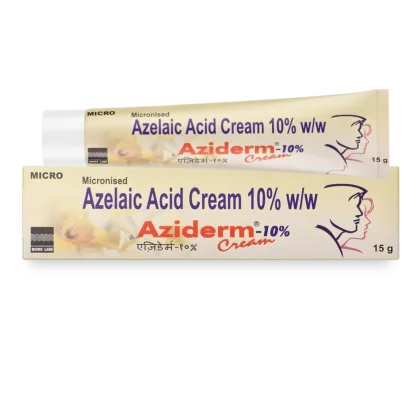
Aziderm Cream 10 % (15 gm)
Directly combats acne-causing bacteria and reduces surface inflammation to clear breakouts and even out skin tone.
 Rosacea Medications
 Living with rosacea often means managing persistent redness and sensitivity that can feel unpredictable and deeply meaningful to your daily comfort. Understanding the options available to soothe your skin is a helpful step toward finding relief. Four formulations are listed below, covering topical azelaic acid (Aziderm Cream 10%, Aziderm Cream 20%, Roza Gel) and oral metronidazole-based antibiotics (Flagyl 400 mg).
Directly combats acne-causing bacteria and reduces surface inflammation to clear breakouts and even out skin tone.
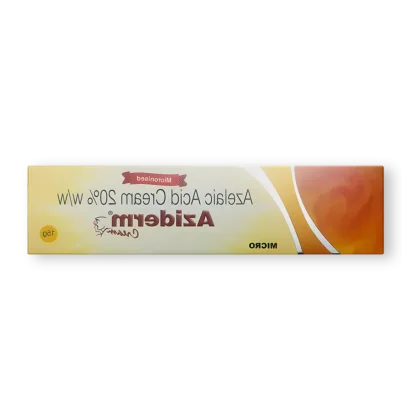
Reduces acne-causing bacteria and calms skin inflammation to improve texture and clear up uneven pigmentation.
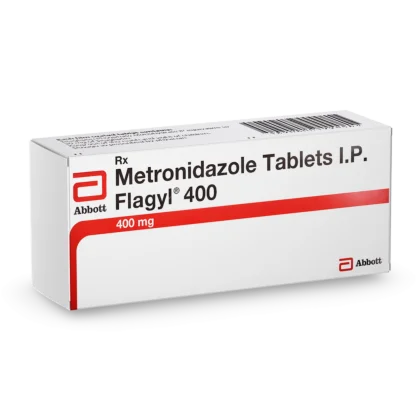
Disrupts the DNA of anaerobic bacteria and parasites to resolve infections in the gut and reproductive system.
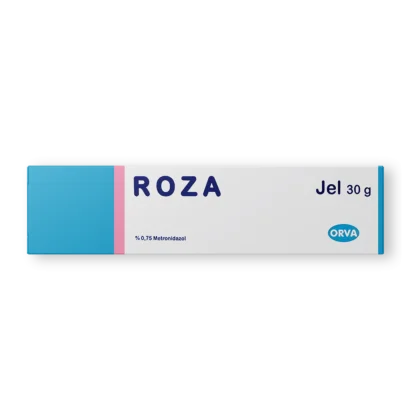
Targets inflammatory skin conditions by reducing bacterial activity and calming the local immune response in skin.
Rosacea is a long-term inflammatory skin condition that primarily affects the central face. You may experience symptoms that come and go, including a persistent flush, visible dilated blood vessels, and sensitive skin that reacts quickly to environmental triggers. Many people also notice small, red, pus-filled bumps that can be mistaken for common acne breakouts.
The condition often develops in cycles of flare-ups and periods of calm. While the exact cause remains a focus of ongoing research, factors like sun exposure, temperature shifts, and certain skincare components often aggravate the skin. Recognizing that this is a manageable condition rather than a reflection of hygiene helps many people seek the right supportive care for their skin health.
Treatment for rosacea centers on reducing the visible inflammation and managing the frequency of flare-ups. Because the condition affects the skin’s barrier, the approach typically combines topical agents applied directly to the affected areas with oral medications when deeper inflammation is present. These treatments work to calm reactive skin, minimize redness, and prevent the development of new bumps or acne-like lesions.
In many regions across the globe, including various health systems within international markets, these medications are access-controlled and require a professional assessment. Topical azelaic acid is frequently used for its dual ability to reduce surface redness and soothe inflammatory papules. Oral treatments, such as metronidazole, target the underlying inflammatory process from within the body to help keep symptoms under control.
Navigating the different forms of treatment allows you to better discuss your needs with a healthcare professional. Understanding how these classes differ helps clarify which option might align with your specific experience or previous recommendations.
Topical treatments like azelaic acid are applied directly to the skin to manage surface-level symptoms. These formulations are designed to be well-tolerated even by sensitive skin, working to even out skin tone and reduce the density of inflammatory spots over time. They serve as a foundational layer in many daily routines to help maintain skin calm.
Oral treatments are often introduced when topical options alone are insufficient for managing extensive redness or persistent bumps. These medications work throughout the body to address systemic inflammation. Because they have a different action profile than creams or gels, they are typically used for specific periods to quiet an active flare-up under medical supervision.
Starting a new medication requires a clear understanding of whether your skin is currently reacting to environmental factors or experiencing a severe inflammatory flare. It is important to rule out other skin conditions that may mimic rosacea symptoms before beginning any new course of therapy. Ensuring your skin barrier is as supported as possible can influence how well your skin responds to active ingredients.
Topical formulations may initially cause mild sensations of tingling or dryness, particularly during the first few days of use. Oral treatments carry a different profile of potential body-wide reactions, which are distinct from the localized responses seen with creams. Paying close attention to how your skin or body responds to the first few applications or doses is a core part of effective monitoring.
Certain oral medications can interact with other drugs, including those taken for unrelated health concerns or supplements. It is essential to disclose your full patient history, especially regarding liver or digestive health, before systemic treatment is considered. Product labeling and verified clinical sources remain the correct references for specific contraindications, interactions, and potential reactions.
Azelaic Acid : A topical ingredient used to reduce inflammatory bumps and skin redness by addressing bacteria and promoting skin cell turnover.
Metronidazole : A medication often used for its secondary ability to reduce generalized inflammation and redness in the skin.
Flare-up : A period where skin symptoms become suddenly more noticeable, often triggered by internal or external factors like stress, heat, or certain foods.
This page provides an educational overview of Rosacea and the medication categories listed — not medical advice. Individual products differ in active ingredient, formulation, strength, and directions. The page does not authorize self-directed selection, clinical interpretation, or unsupervised use. Readers should review individual product labeling and speak with a healthcare professional when clinical judgment is needed.