
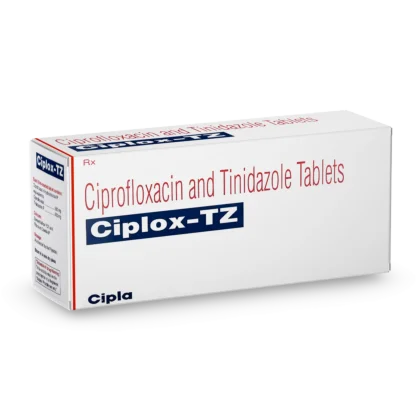
Ciplox TZ 500 Mg + 600 Mg
Targets diverse bacterial and protozoal pathogens by inhibiting essential DNA synthesis and replication pathways in microorganisms.
 Gut Infections Medications
 Gut infections often cause significant physical discomfort and disrupt your daily routine, leaving you feeling frustrated and fatigued. Managing these conditions effectively usually involves antibacterial and antiprotozoal agents, such as metronidazole, tinidazole, or ciprofloxacin, to neutralize the underlying cause. Three formulations are listed below to assist in addressing these digestive health challenges.
Targets diverse bacterial and protozoal pathogens by inhibiting essential DNA synthesis and replication pathways in microorganisms.
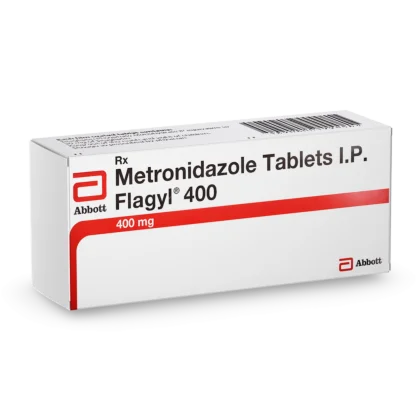
Disrupts the DNA of anaerobic bacteria and parasites to resolve infections in the gut and reproductive system.
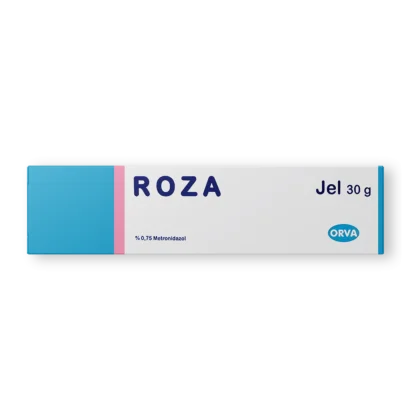
Targets inflammatory skin conditions by reducing bacterial activity and calming the local immune response in skin.
Dealing with a gut infection can feel overwhelming, as the symptoms often strike suddenly and interfere with your sense of well-being. These infections occur when harmful bacteria, parasites, or sometimes viruses invade the gastrointestinal tract, leading to painful cramping, dehydration, and persistent diarrhea. Your digestive system is a delicate balance of processes, and even a mild infection can temporarily throw that equilibrium off course.
These infections vary greatly in how they manifest, sometimes lingering for several days or longer depending on the specific organism involved. Feeling physically drained is a common experience, especially when the body is working hard to fight off the pathogen. Understanding that your symptoms are a result of an external invader can be validating, helping you focus on the path to recovery rather than just the immediate discomfort.
Treatment for gut infections centers on identifying the offending organism and using targeted medication to clear the infection within the digestive tract. Doctors typically rely on a combination of antibacterial and antiprotozoal therapies. These medications work by either killing the germs or inhibiting their ability to reproduce, which allows your body’s natural defenses to regain control and restore comfort.
Across regions such as the United States, United Kingdom, Australia, and Canada, these treatments are strictly regulated and typically require a consultation with a healthcare provider. Because different infections require specific types of medicine, using the incorrect treatment can be ineffective. Practitioners often select a course of therapy based on your specific symptoms, travel history, and the suspected type of pathogen causing your digestive distress.
Medications for these conditions are generally categorized by the type of organism they are designed to eliminate. Antiprotozoals target microscopic parasites that thrive in contaminated food or water, often helping to resolve the bloating and diarrhea associated with these specific infections. These agents are essential when the cause is identified as an organism like Giardia or Entamoeba.
Antibacterial agents serve a separate purpose by fighting off bacterial strains that cause more severe infections, such as those leading to high fever or blood in the stool. These medicines work systemically to reduce the bacterial load throughout your system. Some formulations are available as oral tablets, while others may come in topical forms if the concern involves local skin-related outcomes occasionally associated with chronic gut or inflammatory issues.
Combining these approaches, or choosing one over the other, depends on the clinical assessment provided by your doctor. It is useful to know that these medicines are formatted to ensure they reach the gastrointestinal tract effectively so they can perform their intended function where the infection is most concentrated.
Assessing your full medical history is a necessary step before beginning any treatment for a gut infection. Certain individuals may need to adjust treatment plans based on underlying liver conditions, kidney health, or sensitivities to specific classes of antibiotics. Always inform your provider about any current medicines or supplements you are using to prevent unwanted interactions.
Most people experience mild temporary changes, such as an unpleasant metallic taste or minor nausea, when taking medications for digestive infections. These reactions vary between people and typically subside as your system adjusts to the medicine. Significant reactions or persistent distress should always be monitored closely throughout the course of your treatment.
Certain medications used for gut infections can interact with alcohol or other common drugs, potentially altering the efficacy of the treatment or increasing the likelihood of discomfort. Maintaining hydration is essential during recovery to support your body’s function while these medicines act on the infection. Product labeling and verified clinical sources remain the correct references for specific contraindications, interactions, and potential reactions.
This page provides an educational overview of gut infections and the medication categories listed — not medical advice. Individual products differ in active ingredient, formulation, strength, and directions. The page does not authorize self-directed selection, clinical interpretation, or unsupervised use. Readers should review individual product labeling and speak with a healthcare professional when clinical judgment is needed.