
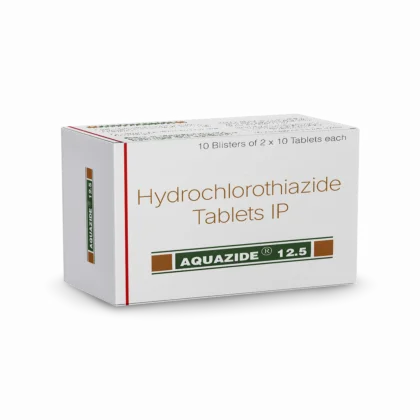
Aquazide 12.5 Mg
Reduces excess body fluid and lowers blood pressure by helping your kidneys eliminate extra salt and water.
 Diuretics Medications
 Diuretics, often called water pills, help your body eliminate excess salt and water through increased urination. These medications address high blood pressure, fluid retention, and heart-related edema. Four formulations are listed below, including Aquazide 12.5 Mg, Cipril H 5 + 12.5 mg, Frusenex 100 Mg, and Lasix 40 mg.
Reduces excess body fluid and lowers blood pressure by helping your kidneys eliminate extra salt and water.
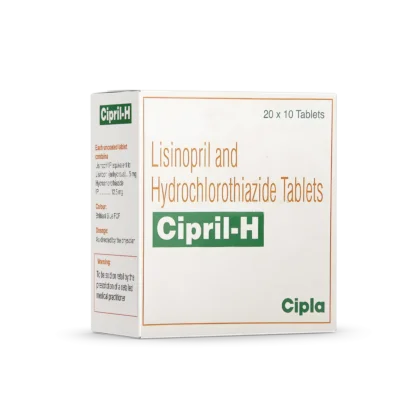
Reduces blood pressure and eases fluid buildup by helping your kidneys remove excess salt and water.

Promotes the elimination of excess water and salt through kidneys to reduce swelling and lower blood pressure.

Reduces excess body fluid by helping your kidneys remove extra water and salt through your urine.
Diuretics are a class of medications designed to help the kidneys remove excess sodium and water from your bloodstream. By increasing the volume of urine produced, these drugs reduce the fluid levels circulating through your blood vessels and tissues. This mechanism helps lower blood pressure and eases the workload on your cardiovascular system.
Patients typically encounter these medications when managing conditions where fluid buildup or persistent high blood pressure threatens long-term health. They are frequently used alongside other therapeutic approaches, such as diet modifications and lifestyle changes, to manage symptoms of heart failure and chronic hypertension. While many individuals use them for long-term health maintenance, others use them periodically to address acute fluid retention.
The effectiveness of diuretic treatment depends on targeting specific segments of the kidneys to influence electrolyte balance. Different classes are categorized by which part of the renal system they affect—such as the loop of Henle or the distal convoluted tubule—and how they handle essential minerals like potassium. Because patients across countries like the United Kingdom, Australia, and Canada face different clinical needs, healthcare providers select the specific class that best matches the underlying condition.
Choosing a medication depends on whether the goal is swift fluid removal or gradual, sustained blood pressure control. Some options prioritize rapid excretion of fluids, while others are formulated to remain in the system for longer periods to prevent fluctuations. Because these medications can alter electrolyte levels, regular monitoring is a clinical standard in global health systems.
Diuretics are grouped into distinct classes based on their pharmacological location and mechanism of action within the kidney. Understanding these differences allows for better alignment between the treatment and your specific physiological needs.
These medications act on the loop of Henle in the kidney and are often considered high-ceiling diuretics, meaning they can produce a large increase in urine output. They are frequently used for conditions requiring significant fluid reduction, such as severe edema related to heart failure. Because they can cause a rapid loss of fluid and minerals, their use is strictly guided by clinical assessment.
Thiazides work on the distal convoluted tubule to prevent the kidneys from reabsorbing sodium. They are commonly reserved for long-term management of mild to moderate high blood pressure. By promoting a consistent, moderate increase in urine volume, they provide a gentle but reliable way to maintain healthy pressure levels over time.
Some medications in this category combine a diuretic with another class, such as an ACE inhibitor, to address both fluid retention and blood vessel constriction simultaneously. These combinations provide a complementary approach to managing cardiac risk factors. They are often chosen to simplify treatment protocols for individuals requiring multiple pathways of cardiovascular support.
Before beginning any diuretic therapy, it is necessary to disclose any history of kidney function issues, electrolyte imbalances, or current allergies. Your provider will evaluate whether your current hydration status and liver or kidney health allow for proper medication processing. Certain pre-existing conditions may necessitate lower starting strengths or more frequent monitoring by a professional.
Diuretics may cause changes in blood pressure, leading to sensations of lightheadedness or dizziness, particularly when changing position. Some formulations are known to influence potassium levels, occasionally causing feelings of fatigue, muscle weakness, or cramping. While tolerability varies by individual, your healthcare team monitors these clinical markers to ensure the treatment effectively addresses the condition without causing excessive electrolyte disturbance.
Diuretics can interact with other medications, including NSAIDs, certain blood pressure drugs, and medications that also affect heart rhythms or kidney function. It is important to monitor for signs of dehydration, such as excessive thirst, dry mouth, or dark urine, while using these medications. Product labeling and verified clinical sources remain the correct references for specific contraindications, interactions, and potential reactions.
Diuretics are potent medications that require informed clinical selection based on your specific health requirements. The products listed here vary by active ingredient, strength, and therapeutic intent, and this page should not be interpreted as professional medical advice. The information provided is strictly for educational purposes and does not authorize self-diagnosis or unsupervised use. Always review the specific product labeling and consult with your healthcare provider to discuss your personal health history.