
Lasix 40 mg
Reduces excess body fluid by helping your kidneys remove extra water and salt through your urine.
Medicine Details
- Indications
- Manufacturer
Where to Buy Online
Choose an available external shop by region.
Lasix 40 mg: Furosemide 40 mg Tablets
Used to address fluid retention and high blood pressure, this branded medicine contains furosemide, which belongs to a group of drugs known as loop diuretics. This formulation works by signaling your kidneys to flush out extra water and salt, which supports your cardiovascular system.
What Is Lasix 40 mg?
Lasix 40 mg is a branded formulation containing furosemide as its active compound. It acts as a loop diuretic, meaning it targets a specific area of your kidney’s filtering system to manage how fluid is processed within your blood vessels and tissues.
This medicine is a well-recognized option for patients needing to reduce the total volume of fluid acting on their circulatory system. Sanofi India Ltd. manufactures this specific formulation, maintaining the standards associated with the original brand name.
How Is Lasix 40 mg Classified?
Across regulated markets including the United States, United Kingdom, Australia, and Canada, furosemide is classified as a prescription-only medication. This regulation exists because managing fluid balance and blood pressure levels requires professional clinical judgment to ensure the medication is appropriate for your specific health history.
While the general prescription status remains consistent across these regions, individual pharmacy access requirements may vary. Some regions may allow for long-term maintenance monitoring by a primary care provider, while others prefer more frequent specialist oversight for conditions involving edema or hypertension.
Lasix 40 mg: Form and Available Strengths
Lasix 40 mg is provided as an oral tablet. This strength refers to the concentration of the active compound, furosemide, contained within each unit. Sanofi India Ltd. manufactures this product to ensure consistent delivery of the active compound for patients prescribed this diuretic therapy.
What Is Lasix 40 mg Used For?
This medication is primarily used to manage conditions where your body holds onto too much fluid, a state often referred to as edema. It addresses swelling in your legs, ankles, or abdomen by supporting the natural drainage processes of your body.
Healthcare providers also use furosemide to manage high blood pressure. By lowering the total amount of fluid circulating through your blood vessels, the medication reduces the pressure your heart must exert to move blood throughout your body.
How Does Furosemide Work in Lasix 40 mg?
Your kidneys normally reclaim water and salt from the fluid they filter, but in certain conditions, your body holds onto too much of this fluid. Furosemide blocks the part of your kidney tubules—the tiny structures that filter blood—responsible for reabsorbing sodium and chloride.
When those salts stay in your urine rather than returning to your bloodstream, they pull extra water along with them. You pass more urine, and your body effectively sheds the excess fluid buildup. This mechanism rapidly lowers the volume of blood your heart needs to pump, easing the workload on your cardiovascular system.
Where Lasix 40 mg Fits in Its Drug Class
Furosemide belongs to the loop diuretic class, named for the “loop of Henle” region in your kidneys where it exerts its strongest effect. Unlike other diuretics that work more slowly or on different parts of the kidney, loop diuretics are known for their ability to move significant volumes of fluid in a relatively short time.
While classes like thiazide diuretics or potassium-sparing diuretics exist, loop diuretics often serve as a go-to choice when rapid fluid clearance is the priority. Your healthcare provider chooses between these options based on your specific hydration needs and current health status.
Safety Overview for Lasix 40 mg
What to check before using this medicine
Before starting this medication, ensure your provider understands any history of kidney function issues, liver disease, or difficulty urinating. Tell your doctor if you are managing conditions like diabetes or gout, as diuretics can sometimes influence these levels. You should also confirm if you are pregnant or breastfeeding, as these factors change how this medicine may be used.
Possible reactions and tolerability
Because this medicine changes how your body handles salts, you might feel a bit lightheaded if your blood pressure drops quickly or if your electrolyte levels shift. Staying aware of symptoms like muscle cramps, unusual thirst, or persistent dizziness is a good practice. Most people tolerate the medication well, but your body needs time to adjust to a new fluid balance.
Interactions and health factors
Other medications, including certain antibiotics, anti-inflammatory drugs, or other blood pressure treatments, can interact with how furosemide is processed by your kidneys. Always keep a current list of everything you take, including supplements, to help your doctor avoid potential conflicts. Product labeling and verified clinical sources remain the correct references for specific contraindications, interactions, and potential reactions.
Finding Lasix 40 mg Online
- Patients in the United States, United Kingdom, Australia, and Canada and similar international markets often search for Lasix 40 mg through online pharmacy directories before speaking with a local provider.
- Many users look for the originator brand name to ensure they are getting the specific formulation they have used before.
- People frequently check the availability of different furosemide strengths when comparing options recommended by their healthcare team.
- Searching for the manufacturer details helps international patients verify that the product they review matches the version their provider discussed.
References
Important Safety Information for Lasix 40 mg
Lasix 40 mg contains furosemide, a potent diuretic that changes how your body regulates water and essential salts. Products containing this active compound may differ in formulation and strength, so it is important to follow the specific advice provided for your health needs. This page provides general information and does not authorize clinical application, self-directed interpretation, or unsupervised use. You should review the product labeling, compare it with your own health situation, and speak with a healthcare professional regarding any clinical decisions.
Usually available as
- 30 Tablet/sGRM144-30 Tablet/s
- 60 Tablet/sGRM144-60 Tablet/s
- 90 Tablet/sGRM144-90 Tablet/s
Related Medicines
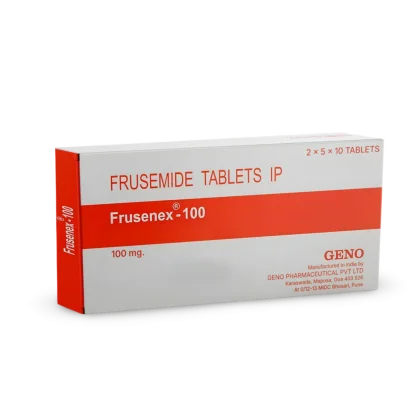
Frusenex 100 Mg
Promotes the elimination of excess water and salt through kidneys to reduce swelling and lower blood pressure.
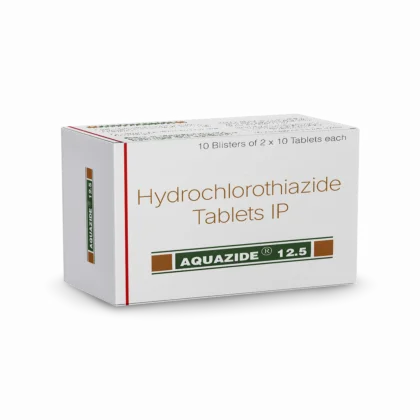
Aquazide 12.5 Mg
Reduces excess body fluid and lowers blood pressure by helping your kidneys eliminate extra salt and water.
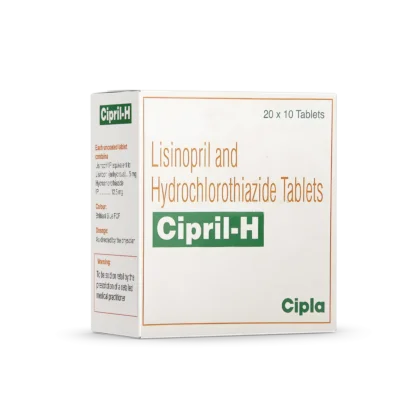
Cipril H 5 + 12.5 mg
Reduces blood pressure and eases fluid buildup by helping your kidneys remove excess salt and water.

Amlip 10 Mg Tablet
Relaxes blood vessel walls to improve circulation and lower the force required for the heart to pump.

Amlip 5 mg
Relaxes blood vessel walls to improve circulation, reducing the force your heart needs to pump blood.
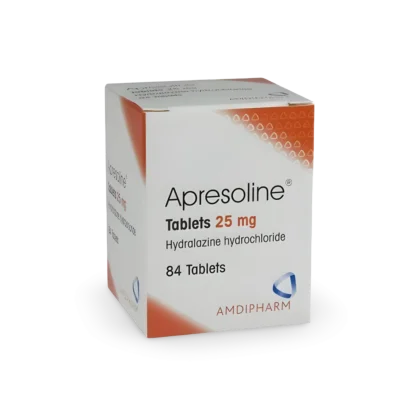
Apresoline 25 mg
Relaxes blood vessel walls to lower systemic blood pressure and reduce the workload on the heart.

Arkamin 100 Mcg
Reduces nerve signaling intensity to lower blood pressure and stabilize vascular responses in various conditions.
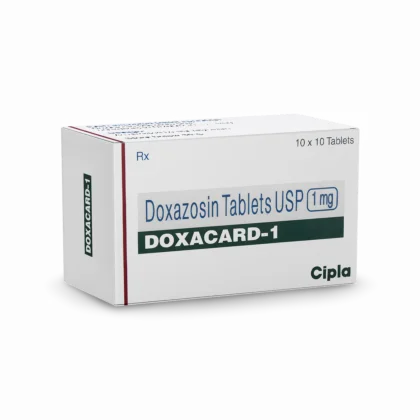
Doxacard 1 mg
Relaxes smooth muscle in blood vessels and the prostate to improve blood flow and urinary comfort.
Related Articles
Jun 12, 2026 ⋅ 5 min read
Comparing Heart & Blood Pressure Medications: Differences, Efficacy, and Options
A guide to how healthcare professionals compare and select heart and blood pressure medications based on mechanism, patient needs, and clinical profiles.
Jun 12, 2026 ⋅ 6 min read
Heart & Blood Pressure Medication Side Effects, Risks, and Interactions
A clinical guide regarding the safety profile, potential side effects, and interaction risks of common heart and blood pressure medications for patient awareness.
Jun 12, 2026 ⋅ 6 min read
Heart & Blood Pressure Medications: Complete List, Uses, and Treatment Guide
An informative guide on common heart and blood pressure medication classes, how they function, and essential safety considerations for patients and caregivers.
Jun 12, 2026 ⋅ 6 min read
Types of Heart & Blood Pressure Medications: Drug Classes and How They Work
Understanding the various classes of heart and blood pressure medications, how they function, and their roles in managing cardiovascular health.