

Heart and Blood Pressure Medications
Heart and Blood Pressure medications address high blood pressure, angina, heart failure, and cardiovascular risk management. The 17 formulations listed below span multiple drug classes, including calcium channel blockers like Amlip and Angispan, diuretics like Lasix and Aquazide, beta blockers such as Nebicard, and antiplatelet agents like Brilinta for protecting your circulatory health.
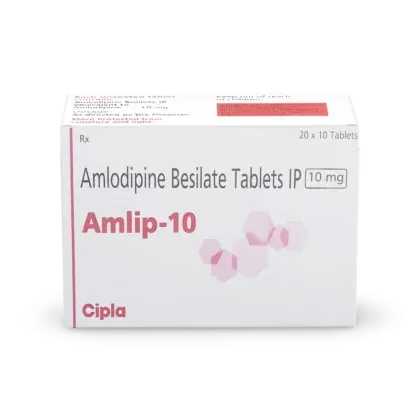
Amlip 10 Mg Tablet
AmlodipineRelaxes blood vessel walls to improve circulation and lower the force required for the heart to pump.
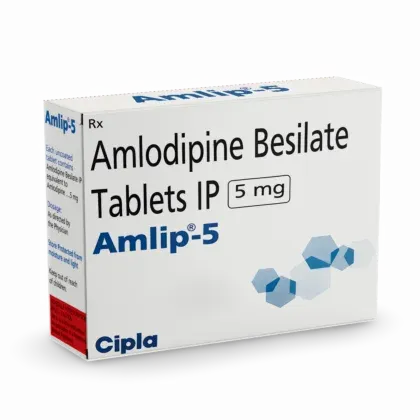
Amlip 5 mg
AmlodipineRelaxes blood vessel walls to improve circulation, reducing the force your heart needs to pump blood.
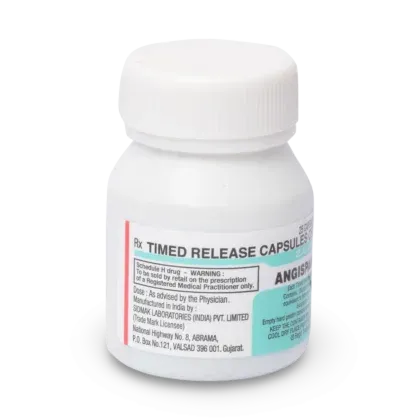
Angispan TR 2.5 Mg
NitroglycerinRelaxes smooth muscles in blood vessels to improve oxygen delivery and ease blood flow-related symptoms.
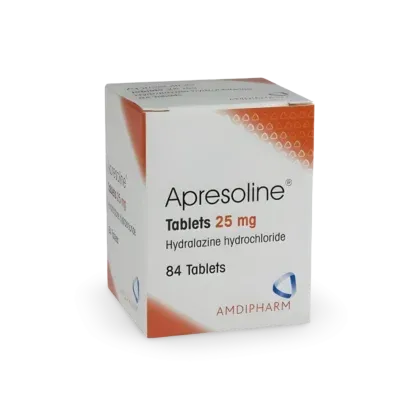
Apresoline 25 mg
HydralazineRelaxes blood vessel walls to lower systemic blood pressure and reduce the workload on the heart.
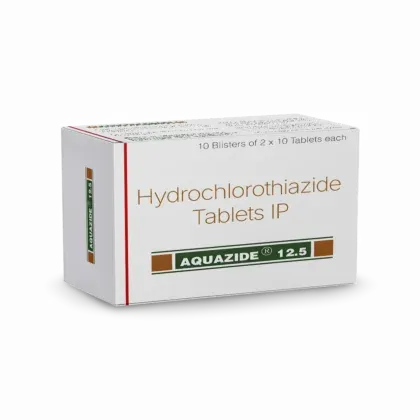
Aquazide 12.5 Mg
HydrochlorothiazideReduces excess body fluid and lowers blood pressure by helping your kidneys eliminate extra salt and water.

Arkamin 100 Mcg
ClonidineReduces nerve signaling intensity to lower blood pressure and stabilize vascular responses in various conditions.
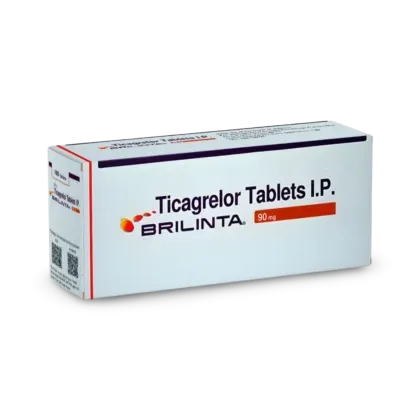
Brilinta 90 Mg Tablet
TicagrelorReduces the formation of blood clots by preventing platelets from clumping together in your vascular system.
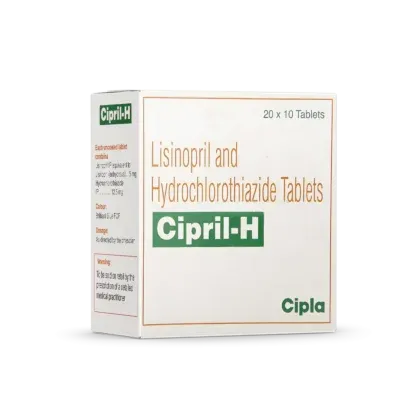
Cipril H 5 + 12.5 mg
HydrochlorothiazideReduces blood pressure and eases fluid buildup by helping your kidneys remove excess salt and water.
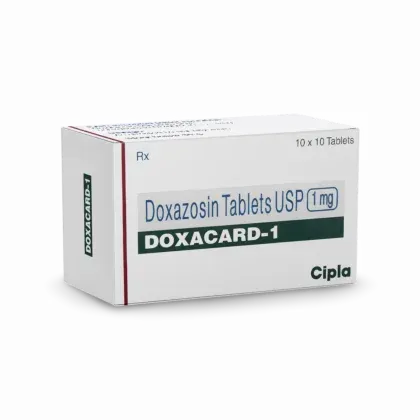
Doxacard 1 mg
DoxazosinRelaxes smooth muscle in blood vessels and the prostate to improve blood flow and urinary comfort.
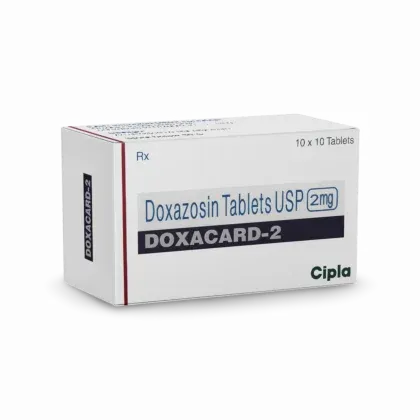
Doxacard 2 mg
DoxazosinRelaxes blood vessel walls to improve flow and eases muscle tension around the bladder to assist urination.
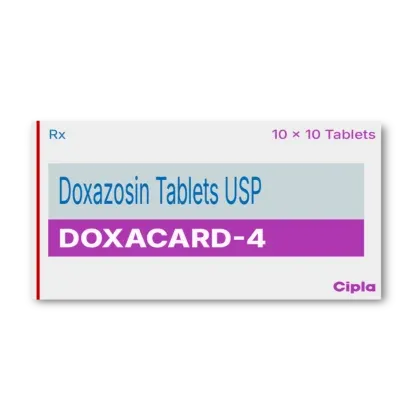
Doxacard 4 mg
DoxazosinRelaxes smooth muscle tissue in blood vessels and the prostate to improve blood flow and urinary comfort.
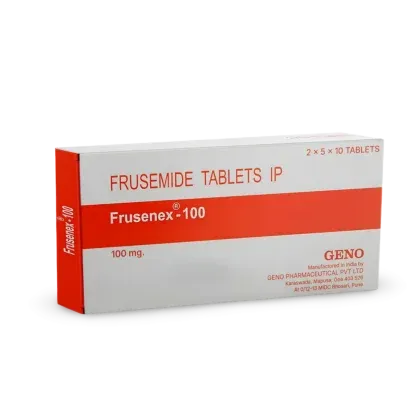
Frusenex 100 Mg
FurosemidePromotes the elimination of excess water and salt through kidneys to reduce swelling and lower blood pressure.
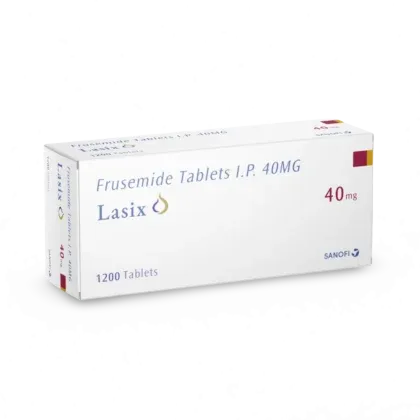
Lasix 40 mg
FurosemideReduces excess body fluid by helping your kidneys remove extra water and salt through your urine.
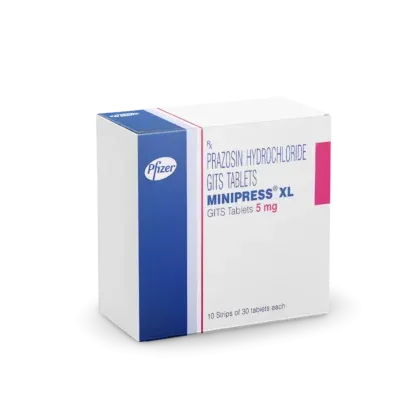
Minipress XL 5 Mg
PrazosinSelectively blocks receptors in blood vessels to encourage relaxation, lowering pressure and improving urinary flow symptoms.
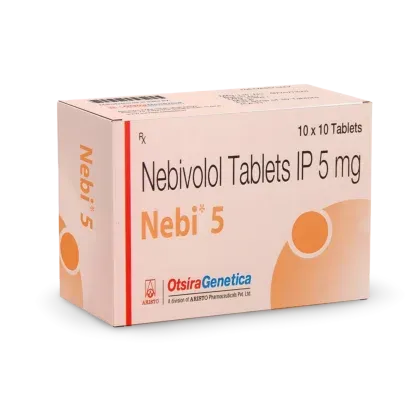
Nebi 5 Tablet
NebivololBlocks specific receptors to lower heart rate and relax blood vessels, reducing overall strain on circulation.
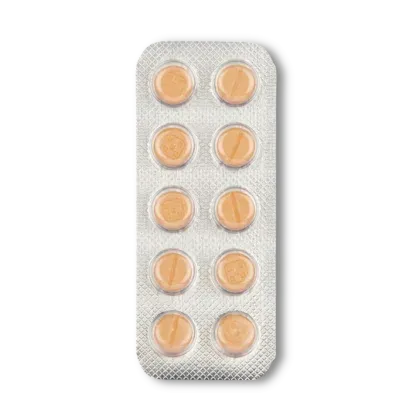
Nebicard 10 mg
NebivololBlocks specific receptors to lower blood pressure and decrease the workload on your heart muscle.

Nitrogesic Ointment 30 gm 0.2%
NitroglycerinRelaxes smooth muscle tissue to increase blood flow and relieve discomfort in localized areas.
About Heart and Blood Pressure
This therapeutic category encompasses a range of conditions affecting the heart and the efficiency of your blood vessels. When blood pressure remains consistently elevated, the heart must work significantly harder to pump, which places strain on the entire cardiovascular system. Common conditions managed within this category include hypertension—also known as high blood pressure—angina, which presents as chest pain due to reduced blood flow, and various forms of heart failure.
These conditions are grouped together because they share foundational vascular mechanisms and often require similar approaches to monitoring and management. For many individuals, cardiovascular health is managed by balancing fluid volume, vessel diameter, and the rhythmic workload of the heart muscle. Understanding this connection is the first step in discussing a management strategy with your healthcare provider.
How Heart and Blood Pressure Conditions Are Treated
Successful management of these conditions typically involves targeting specific physiological pathways that regulate how your blood circulates through your body. Drug classes frequently used include diuretics, beta blockers, calcium channel blockers, ACE inhibitors, and antiplatelet agents. Because each class targets a different aspect of your heart function, providers often choose based on an individual patient’s specific health history and blood pressure profile.
Regulatory oversight for these medications varies across global markets. Patients across the United States, United Kingdom, Australia, and Canada, as well as other international markets, coordinate with local healthcare providers to determine which medication is necessary for their specific needs. Accessing these treatments requires clinical oversight to ensure that the chosen medication aligns with your overall cardiovascular health data and existing treatment plan.
Types of Heart and Blood Pressure Medications
The medications listed in this category work through distinct pathways to influence your cardiovascular system. These classes are used to address different symptoms or underlying causes of vascular strain.
Diuretics and ACE Inhibitors
Diuretics assist by helping your kidneys remove excess salt and water from your system. By reducing the overall fluid volume in your veins and arteries, they naturally lower the pressure against which your heart must pump. ACE inhibitors work differently by blocking the production of a substance that narrows your blood vessels, allowing them to remain open and relaxed.
Calcium Channel Blockers and Beta Blockers
Calcium channel blockers prevent calcium from entering the muscle cells of your heart and blood vessels. This action allows your vessels to widen and relax, which lowers blood pressure and improves blood flow to the heart muscle itself. Beta blockers focus on the heart rate directly. By blocking the effects of adrenaline, they cause your heart to beat more slowly and with less force, which reduces the workload placed on the heart muscle.
Antiplatelet Agents and Nitrates
Antiplatelet agents work by preventing blood cells from sticking together to form clots. These are often used for individuals at risk of cardiovascular events to ensure blood continues to circulate efficiently. Nitrates are primarily used for angina. They act quickly to widen your blood vessels, providing immediate relief for chest pain by allowing more oxygen-rich blood to reach your heart.
Finding Heart and Blood Pressure Medications Online
- Patients across international markets often search for specific calcium channel blockers or diuretics to understand how their prescribed formulation supports heart function.
- Searching for information on generic or brand-name alternatives allows you to come prepared with relevant questions during your next provider consultation.
- Understanding the delivery form—such as tablets or topical ointments—helps when comparing the requirements listed by your healthcare provider.
- Patients across the United States, United Kingdom, Australia, Canada, and similar regulated markets use online pharmacy directories to identify availability and verify medication classification.
- Confirming the specific strength and frequency of a medication helps clarify whether the formulations listed match your current clinical instructions.
Safety Considerations for Heart and Blood Pressure Medications
Before starting treatment in this category
Before initiating any cardiovascular medication, complete clinical evaluation is necessary. Your provider considers your current heart rhythm, kidney function, and existing health conditions to identify the most appropriate class for your profile. These medications are not interchangeable, as each affects the cardiovascular system through different mechanisms.
Reactions and tolerability across drug classes
Different classes of heart medications can produce distinct physiological responses. For example, some individuals may experience shifts in heart rate or blood pressure that require careful monitoring during the early stages of use. Because these medications influence systemic blood pressure, you should remain vigilant for symptoms of lightheadedness or dizziness as your body adjusts to the new treatment.
Interactions and health factors
Many heart medications are susceptible to interactions with other substances, supplements, or prescription drugs. Your liver and kidney health play a significant role in how your body processes these agents, and certain pre-existing conditions can change the risk profile of specific classes. Product labeling and verified clinical sources remain the correct references for specific contraindications, interactions, and potential reactions.
Important Safety Information
This information provides an educational overview of Heart and Blood Pressure medications and the classes involved. Your healthcare professional provides medical advice. Individual products differ in active ingredient, formulation, strength, and directions for use. This page does not authorize self-directed selection, clinical interpretation, or unsupervised use of these medications. Please review individual product labeling and speak with a healthcare professional to identify the correct approach for your personal health situation.