
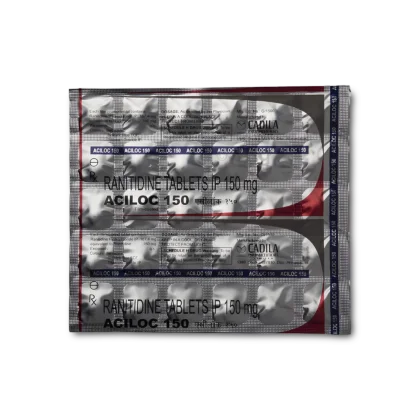
Aciloc 150 mg
Reduces stomach acid production to ease symptoms like heartburn, acid reflux, and internal digestive irritation.
 Heartburn Medications
 Heartburn commonly feels like a painful, burning sensation in the chest area, often occurring after meals. Eight formulations are listed below, covering common treatment categories including proton pump inhibitors (omeprazole, esomeprazole, rabeprazole), H2 receptor antagonists (ranitidine), and combination medications that integrate acid-reducing agents with motility-enhancing components for symptom relief.
Reduces stomach acid production to ease symptoms like heartburn, acid reflux, and internal digestive irritation.
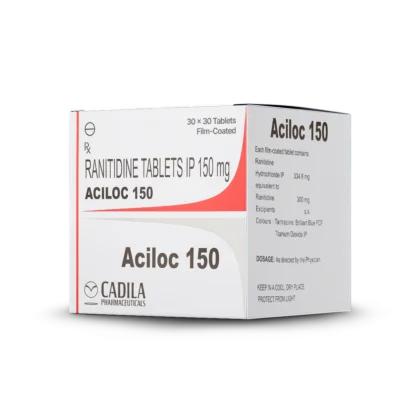
Reduces stomach acid production to ease symptoms of acid reflux and support healing of digestive tissue.
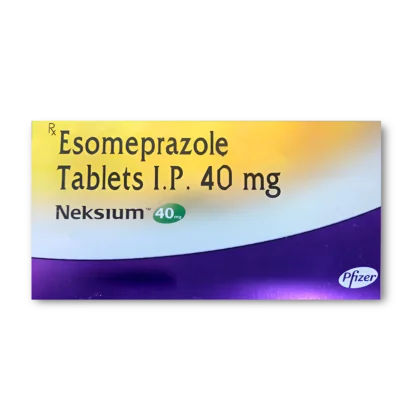
Reduces stomach acid production to provide relief from persistent heartburn and support the healing of ulcers.
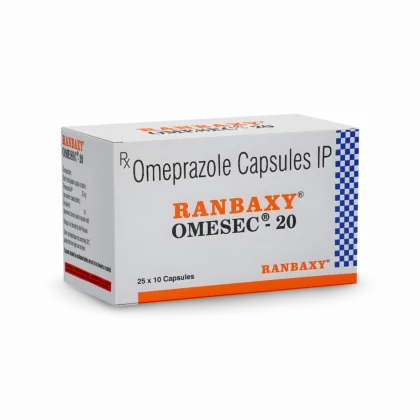
Reduces stomach acid production by blocking the enzyme responsible for final acid secretion in the stomach lining.
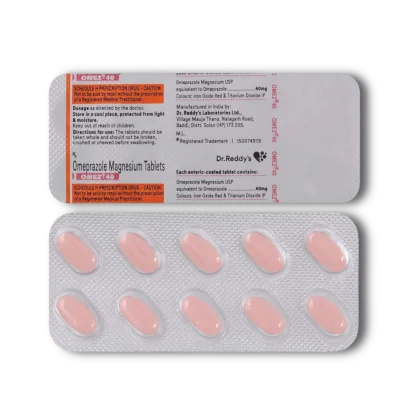
Reduces stomach acid production to relieve symptoms of acid reflux and support healing of gastric tissue.
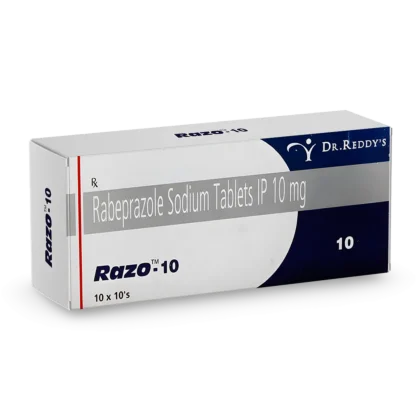
Reduces acid production in your stomach to assist with symptom resolution and healing of delicate digestive tissues.
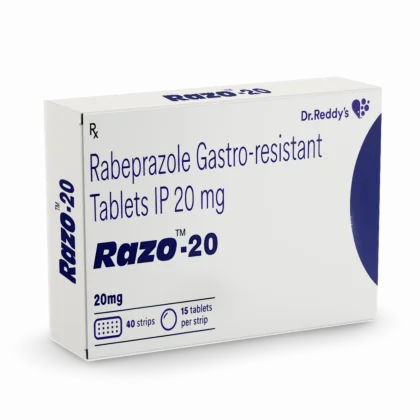
Reduces acid production in the stomach to manage symptoms of acid reflux and support digestive healing.
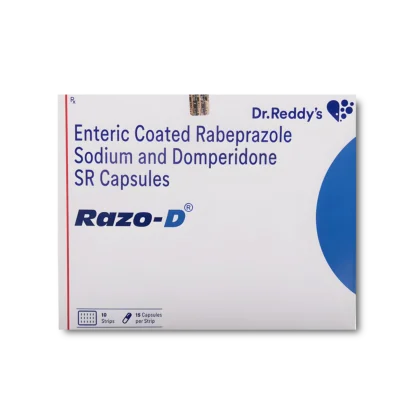
Reduces stomach acid production while accelerating digestive movement to ease persistent heartburn and nausea symptoms.
Heartburn develops when stomach acid travels backward through the muscular valve connecting your stomach and esophagus. This valve, known as the lower esophageal sphincter, serves as the gatekeeper for digestive contents. When it relaxes inappropriately or weakens, acidic gastric juices irritate the sensitive lining of the esophagus, resulting in the characteristic discomfort that often worsens when you lie down or bend over.
Many people experience this discomfort occasionally due to lifestyle factors, such as eating large or spicy meals, consuming caffeine, or lying down immediately after consuming food. While temporary, frequent or persistent episodes can interfere with your daily comfort, sleep, and overall quality of life. Understanding that this sensation is a functional issue related to digestion can help you identify triggers that precede your symptoms.
Managing this discomfort usually involves reducing the amount of acid your stomach produces or neutralizing the acid already present. Treatment approaches typically focus on providing immediate relief or maintaining prolonged control over stomach acidity. Across international markets, these medications are categorized based on their mechanism of action and how long they continue to be effective.
Proton pump inhibitors represent one standard approach, working by blocking the final step of acid secretion in the stomach lining. H2 receptor antagonists occupy a different category, as they block histamine receptors that signal the stomach to produce acid. In some instances, healthcare providers may recommend combination therapies—available in some regions as prescription or pharmacy-only options—to address both acid production and the speed at which the stomach empties its contents.
Medication categories for heartburn are distinguished by how they interact with your digestive system. Understanding these differences can assist you during professional consultations when discussing your symptom severity and frequency.
These medications are often used for consistent management of acid-related discomfort. By inhibiting the specific enzymes responsible for pumping acid into the stomach, they create a sustained decrease in acidity. They are typically taken on a daily basis to provide long-term protection for the esophageal lining.
This class of medication targets the chemical signals that trigger acid release. They generally provide a faster onset of relief compared to PPIs but may remain active in the body for a shorter duration. Many individuals use these for intermittent or situational relief when symptoms occur unexpectedly.
Some products pair acid-reducing components with medications that encourage faster movement of food through the digestive tract. By improving gastric motility, these options aim to shorten the time food and acid remain in the stomach, which may provide relief for those whose heartburn is associated with slow digestion or post-meal fullness.
It is important to determine if your symptoms are isolated or part of a more chronic digestive pattern. Frequent use of acid-reducing medications should always be discussed with a provider to ensure the duration of your treatment is appropriate. Relying solely on medication without addressing underlying dietary or lifestyle triggers may mask symptoms that require further clinical investigation.
Different medication classes may affect people in varying ways. While some users tolerate proton pump inhibitors well, others might prefer the response profile of H2 receptor antagonists. Common concerns often involve digestive changes or mild side effects that generally resolve; however, any persistent or concerning symptoms require a prompt review with a healthcare professional.
Your current health status and any other medications you take can influence which heartburn treatments are right for you. Certain acid-reducers can change how your body processes other substances or medications, potentially affecting their effectiveness. Always disclose all current prescriptions and supplements to your provider to prevent unwanted interactions. Product labeling and verified clinical sources remain the correct references for specific contraindications, interactions, and potential reactions.
This page provides an educational overview of heartburn and the medication categories listed — not medical advice. Individual products differ in active ingredient, formulation, strength, and directions. The page does not authorize self-directed selection, clinical interpretation, or unsupervised use. Readers should review individual product labeling and speak with a healthcare professional when clinical judgment is needed.