
Aciloc 150 mg
Reduces stomach acid production to ease symptoms like heartburn, acid reflux, and internal digestive irritation.
Medicine Details
- Indications
- Manufacturer
Where to Buy Online
Choose an available external shop by region.
Aciloc 150 mg: Ranitidine Tablets
This generic medication is used to address heartburn and stomach ulcers. It contains ranitidine, a compound that works by blocking specific receptors in your stomach lining to reduce the total amount of acid your body produces.
What Is Aciloc 150 mg?
Aciloc 150 mg is a generic formulation containing ranitidine as its active compound. It belongs to a group of medications known as H2 blockers, which are primarily used to manage conditions caused by excess stomach acid. By limiting acid secretion, this medication allows the lining of your digestive tract time to recover.
Most people recognize the mechanism of ranitidine from originator brands like Zantac, which set the standard for this class of acid-reducing agents. As a generic medicine manufactured by Cadila Pharmaceuticals Ltd., this product offers the same active chemical structure relied upon to manage common digestive discomforts.
How Is Aciloc 150 mg Classified?
Across regulated markets including the United Kingdom, Australia, Canada, and the United States, medications containing ranitidine are subject to strict healthcare oversight. Because access requirements can vary significantly, you might find that ranitidine is available as an over-the-counter option in certain regions, while other jurisdictions move this compound to prescription-only status based on local safety reviews.
Regulatory bodies in these markets frequently update guidance regarding ranitidine intake and manufacturing standards. Always check the specific requirements in your area to determine whether you need a prescription or if you can access this medication through pharmacist-led services.
Aciloc 150 mg: Form and Available Strengths
This product is provided as 150 mg tablets, a standard strength used for adult-use symptom management. Aciloc 150 mg is manufactured by Cadila Pharmaceuticals Ltd., a company that adheres to global pharmaceutical standards for generic production. These tablets are formulated for consistent release of the active compound once taken orally.
What Is Aciloc 150 mg Used For?
This medication is used to address the symptoms of heartburn by preventing the buildup of acid in your esophagus. It also assists with the management of gastroesophageal reflux disease (GERD), a condition where stomach contents move upward and cause discomfort.
Beyond simple reflux, the medication is used to manage stomach ulcers by decreasing the chemical environment that prevents these sores from healing. By normalizing the pH levels in your digestive tract, it eases the frequent pain associated with these common concerns.
How Does Ranitidine Work in Aciloc 150 mg?
Your stomach relies on specialized cells to secrete acid, a process triggered by histamine binding to H2 receptors. Ranitidine steps in to block these receptors, effectively turning down the “volume” of acid production at the source. This doesn’t completely stop acid, but it brings levels down to a much more manageable range.
When you take a tablet, this process helps calm internal irritation and gives your digestive tissues a chance to rest. Because it lowers the total acid output, you experience less burning sensation in your chest and throat after eating or when lying down, which is often why it’s a go-to for persistent indigestion.
Where Aciloc 150 mg Fits in Its Drug Class
Ranitidine is a core member of the H2 receptor antagonist class. Unlike proton pump inhibitors, which shut down acid production pumps entirely, H2 blockers focus on the signals that trigger the initial release of acid.
This distinction makes the class quite useful for quick symptom relief. While other options like famotidine, cimetidine, or nizatidine function through similar pathways, individuals often find that specific compounds within this class may work slightly better for their unique digestive needs.
Safety Overview for Aciloc 150 mg
What to check before using this medicine
Before using this medication, consider any personal history of kidney or liver challenges, as these organs are primary in how your body clears processed chemicals. If you are pregnant or breastfeeding, discuss your options with a professional, as ranitidine passes through the body in ways that may influence your specific health situation.
Possible reactions and tolerability
Most people tolerate this medication well, but you should monitor how your body responds during the first few days. Some may notice mild digestive changes or unusual fatigue. If you experience unexpected signals like dizziness or skin rashes, stop usage and address these symptoms with a healthcare provider immediately.
Interactions and health factors
Ranitidine can change how other medications are absorbed by your stomach, so ensure you provide a full list of your current supplements and drugs to your provider. Certain medications that require a specific acid level to work effectively may become less useful when you take an H2 blocker. Product labeling and verified clinical sources remain the correct references for specific contraindications, interactions, and potential reactions.
Finding Aciloc 150 mg Online
- Patients in the United Kingdom, Australia, Canada, the United States, and similar markets search for Aciloc 150 mg through online pharmacy directories and health platforms before speaking with a local provider.
- You may look for information regarding ingredient-based searching to identify generic ranitidine options that match your clinical needs.
- Comparing different forms and strengths online helps many individuals prepare for a more productive conversation with a pharmacist or doctor.
- Checking the availability of this specific brand can be a standard step if you are traveling or need to maintain consistency with previous medication choices.
Key Terms for Aciloc 150 mg
H2 blockers : A class of medications that reduce the production of stomach acid by blocking histamine receptors.
GERD : A chronic digestive condition where stomach acid flows back into the esophagus, causing irritation.
Generic medicine : A product that contains the same active ingredient as an originator brand, often produced to provide a consistent alternative.
References
Important Safety Information for Aciloc 150 mg
Aciloc 150 mg is an effective tool for managing excess acid, utilizing ranitidine to provide relief for conditions like heartburn and ulcers. Please be aware that medication formulations, strengths, and specific directions can vary significantly between products. This information is meant for educational purposes and does not authorize clinical application, self-directed interpretation, or unsupervised use. You should always review official product labeling, compare it with your own health situation, and speak with a healthcare professional when clinical judgment is required.
Usually available as
- 30 Tablet/sGRM332-30 Tablet/s
- 60 Tablet/sGRM332-60 Tablet/s
- 90 Tablet/sGRM332-90 Tablet/s
Related Medicines
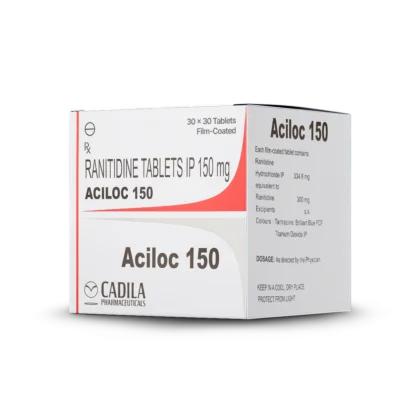
Aciloc 300 Mg
Reduces stomach acid production to ease symptoms of acid reflux and support healing of digestive tissue.
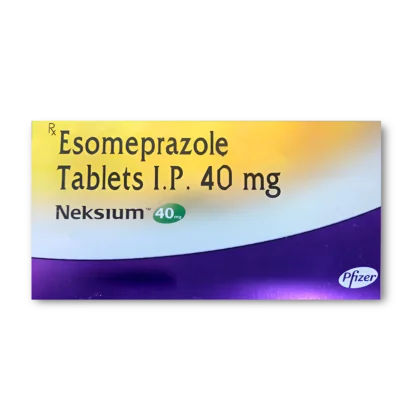
Neksium 40 Mg
Reduces stomach acid production to provide relief from persistent heartburn and support the healing of ulcers.
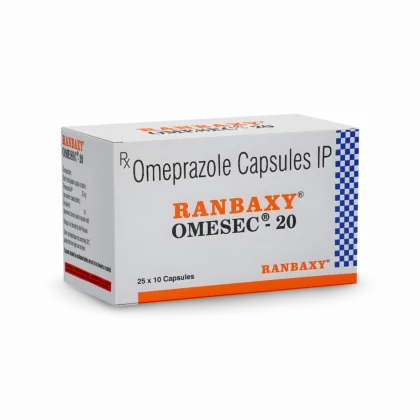
Omesec 20 mg
Reduces stomach acid production by blocking the enzyme responsible for final acid secretion in the stomach lining.
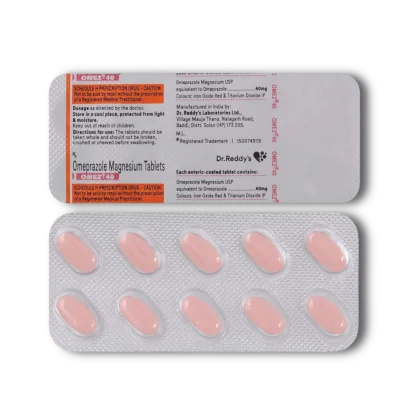
Omez 40 Mg
Reduces stomach acid production to relieve symptoms of acid reflux and support healing of gastric tissue.
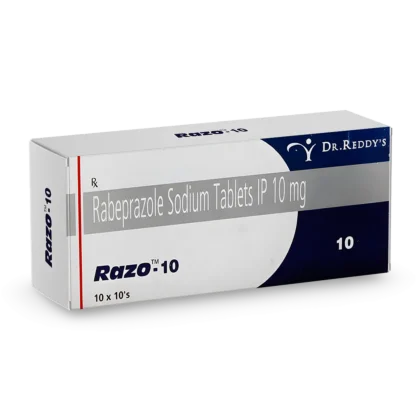
Razo 10 mg
Reduces acid production in your stomach to assist with symptom resolution and healing of delicate digestive tissues.
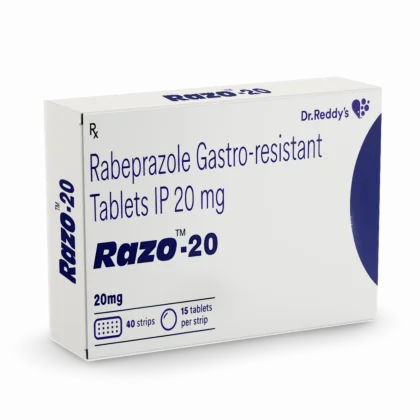
Razo 20 mg
Reduces acid production in the stomach to manage symptoms of acid reflux and support digestive healing.
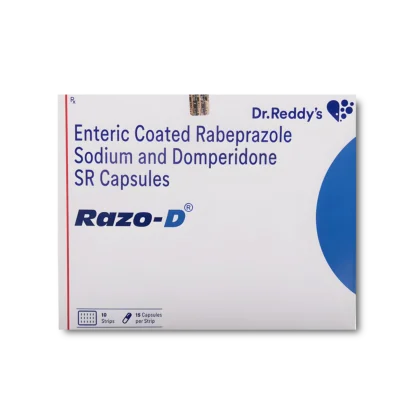
Razo D
Reduces stomach acid production while accelerating digestive movement to ease persistent heartburn and nausea symptoms.
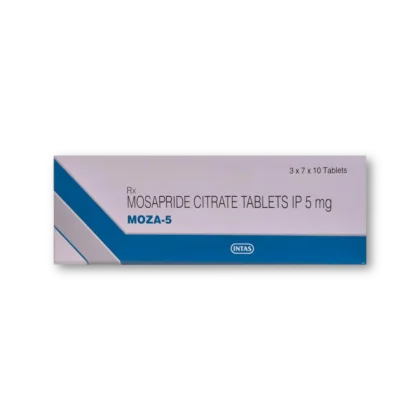
Moza 5 mg
Supports normal digestive motility by stimulating receptors in the gut wall to improve stomach emptying.
Related Articles
Jun 12, 2026 ⋅ 5 min read
Comparing Digestive Health Medications: Differences, Efficacy, and Options
An analytical overview of digestive health medications, focusing on how different drug classes—including PPIs and prokinetics—are differentiated by efficacy, onset, and clinical context.
Jun 12, 2026 ⋅ 6 min read
Digestive Health Medication Side Effects, Risks, and Interactions
A clinical guide to the side effects, risks, and interactions associated with common digestive health medications, focusing on patient safety and informed awareness.
Jun 12, 2026 ⋅ 6 min read
Digestive Health Medications: Complete List, Uses, and Treatment Guide
An overview of common medications for digestive health, detailing classes like proton pump inhibitors and prokinetics, their mechanisms of action, and important safety information.
Jun 12, 2026 ⋅ 5 min read
Types of Digestive Health Medications: Drug Classes and How They Work
Overview of common digestive health medication classes, including PPIs, H2 blockers, and prokinetics, focusing on their mechanisms of action and clinical applications for patient education.