
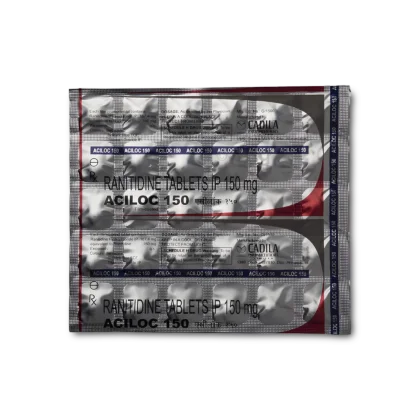
Aciloc 150 mg
Reduces stomach acid production to ease symptoms like heartburn, acid reflux, and internal digestive irritation.
 Stomach Ulcers Medications
 Living with the consistent, gnawing discomfort of a stomach ulcer can feel overwhelming, significantly impacting your daily routines and overall sense of well-being. Eight formulations are listed below, spanning two primary medication classes that help reduce stomach acid: proton pump inhibitors (such as esomeprazole and omeprazole) and H2 receptor antagonists (such as ranitidine and rabeprazole).
Reduces stomach acid production to ease symptoms like heartburn, acid reflux, and internal digestive irritation.
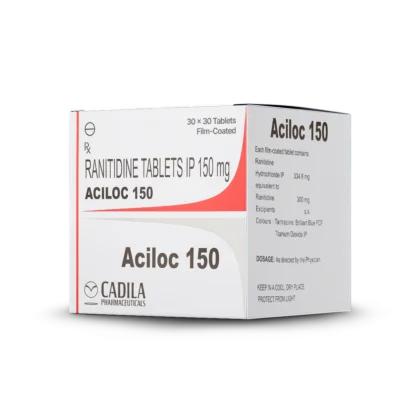
Reduces stomach acid production to ease symptoms of acid reflux and support healing of digestive tissue.
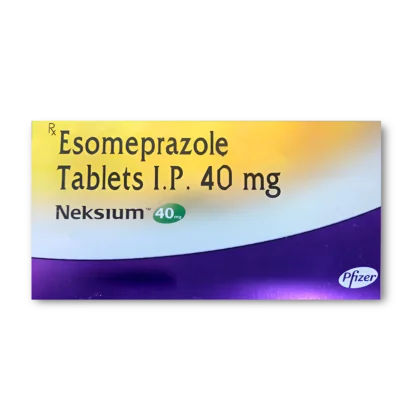
Reduces stomach acid production to provide relief from persistent heartburn and support the healing of ulcers.
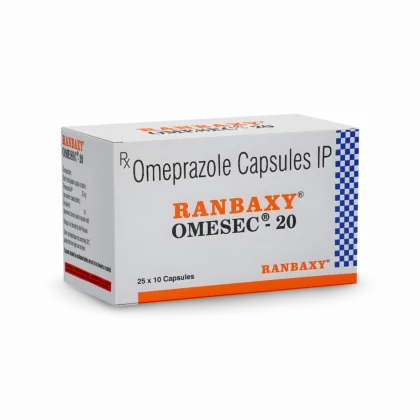
Reduces stomach acid production by blocking the enzyme responsible for final acid secretion in the stomach lining.
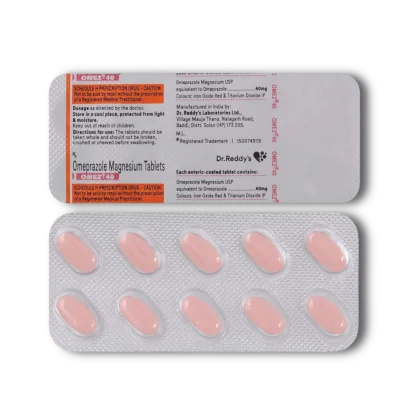
Reduces stomach acid production to relieve symptoms of acid reflux and support healing of gastric tissue.
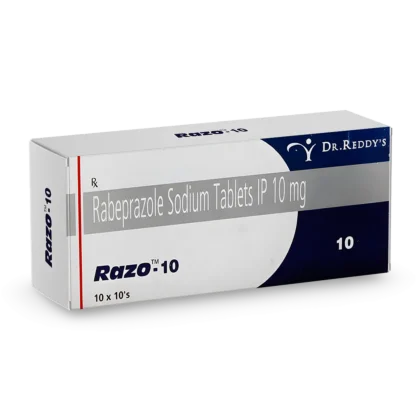
Reduces acid production in your stomach to assist with symptom resolution and healing of delicate digestive tissues.
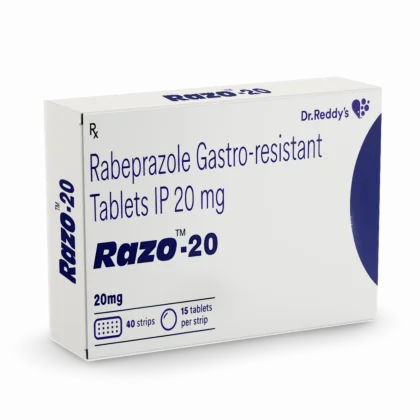
Reduces acid production in the stomach to manage symptoms of acid reflux and support digestive healing.
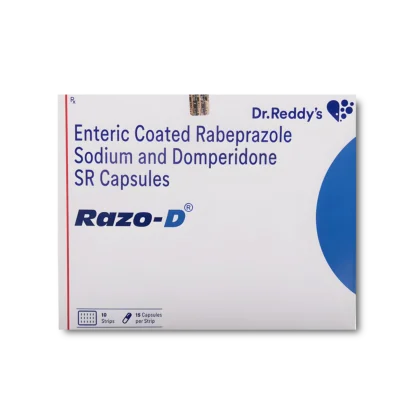
Reduces stomach acid production while accelerating digestive movement to ease persistent heartburn and nausea symptoms.
Stomach ulcers, often referred to as peptic ulcers, are open sores that develop on the inside lining of your stomach or the upper portion of your small intestine. When the protective layer of mucus that coats your stomach is compromised, the digestive acids naturally produced by your system begin to irritate the sensitive tissue underneath. This process results in a burning pain that can fluctuate in intensity, often feeling worse after eating or when the stomach is empty.
Many individuals first notice this condition through a persistent dull ache in the center of the abdomen or a feeling of bloating and nausea. While stress and diet were once thought to be the primary causes, medical understanding has evolved to recognize that most ulcers stem from bacterial infections—specifically Helicobacter pylori—or the long-term use of certain anti-inflammatory pain medications. Recognizing the signs early can help you better manage your symptoms alongside your healthcare provider.
Treatment approaches generally focus on neutralizing or suppressing stomach acid production to allow the ulcerated tissue to heal properly. The two main drug classes represented in the provided listings include proton pump inhibitors (PPIs) and H2 receptor antagonists. PPIs are generally used to significantly lower the amount of acid the stomach produces throughout the day and night by blocking the specific enzyme cells in the stomach lining that create acid.
H2 receptor antagonists work differently by blocking histamine, a signal that tells your stomach to produce more acid. These are often used as an alternative or supplementary method to manage acid-related discomfort. Across global markets, including international pharmacy networks, these categories are accessed based on the severity of symptoms and the underlying cause of the irritation. If an infection is confirmed, medical professionals often combine these acid-blocking medicines with targeted antibiotics to clear the root cause of the tissue damage.
Understanding the differences between these classes can help you participate more effectively in discussions with your provider about your recovery plan.
PPIs are often chosen for their ability to provide potent acid suppression. These medications are designed to stay active in your system for extended periods, making them a common choice when continuous acid reduction is necessary for healing. They are typically available in various strengths and are intended specifically for short-term or managed long-term use as directed by a clinician.
H2 receptor antagonists are known for their ability to manage acid production more quickly but often with a shorter window of activity compared to PPIs. Some individuals find these beneficial for managing the immediate sensation of acid buildup between meals. When paired with other medications or used as part of a therapeutic regimen, they facilitate a stable environment for digestive recovery.
Your medical history, particularly concerning liver health and long-term medication use, plays a significant role in determining the right approach for you. Avoid starting any acid-suppressing medication without confirming the absence of underlying infections or more complex digestive issues that might require a different diagnostic approach.
While these medications are generally intended for relief, some people may experience changes in digestive rhythm or mild discomfort when first starting a new regimen. It is important to monitor how your body responds to the medication and to communicate any persistent changes that do not resolve as your stomach lining begins to heal.
Many acid-reducing medicines can interact with other drugs you may take for unrelated conditions by changing how quickly your body absorbs them. Always inform your provider about your current list of supplements and medications to avoid unintended effects. Product labeling and verified clinical sources remain the correct references for specific contraindications, interactions, and potential reactions.
This page provides an educational overview of stomach ulcers and the medication categories listed — not medical advice. Individual products differ in active ingredient, formulation, strength, and directions. This page does not authorize self-directed selection, clinical interpretation, or unsupervised use. Readers should review individual product labeling and speak with a healthcare professional when clinical judgment is needed.